
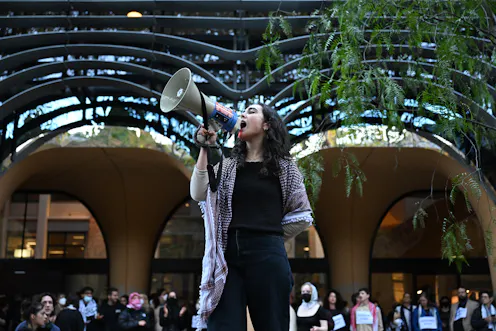
In reporting on racism but neglecting to look at it’s structural roots, research does more harm than good.
- Professor of Indigenous Health, Executive Director, Carumba Institute, Queensland University of Technology
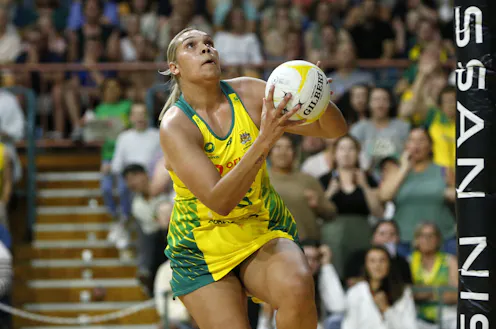
Ellen van Neerven cleverly invites us to question what it means to play sport on a ‘Country that is rich in story’, on a playing field that’s almost always uneven for Blackfullas.
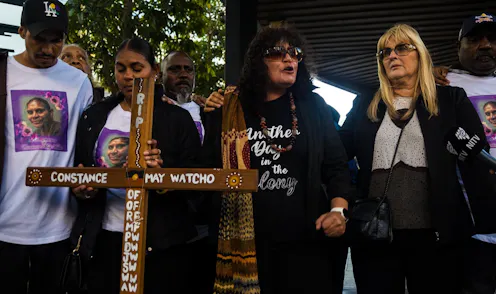
Public inquiries are held to inform the public of misconduct and begin discussion on how to address issues. So why have we heard nothing about the inquiry into missing and murdered Indigenous women?
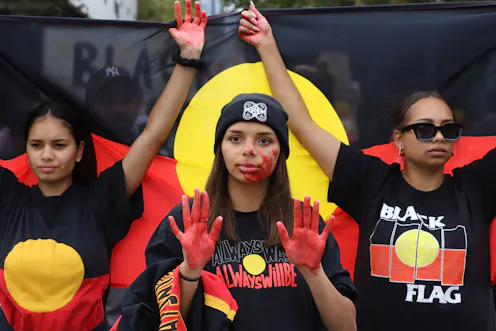
There has been a global shift to declare racism a public health crisis. But we need to drill deeper to understand racism, rethink health data and listen to lived experience.
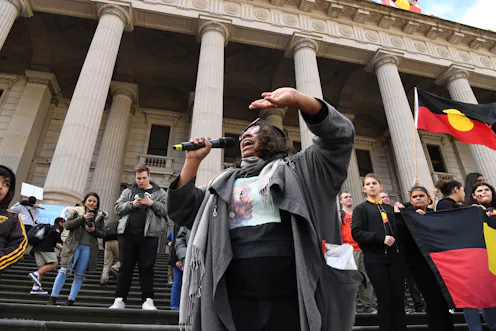
A documentary series aimed to spark national conversation about criminalising coercive control. However, it highlighted power imbalances in conversations between Indigenous and non-Indigenous women.
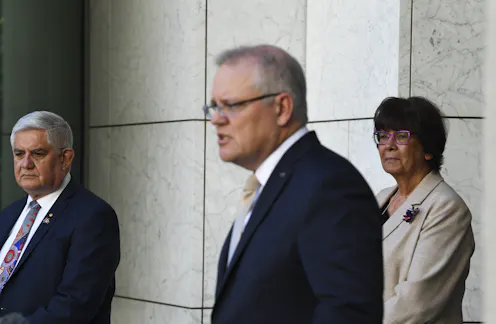
The latest Closing the Gap agreement has been billed as ‘historic’ and ‘practical’. But the fine print is vague and the targets lack ambition. Meanwhile, one key word is missing completely.
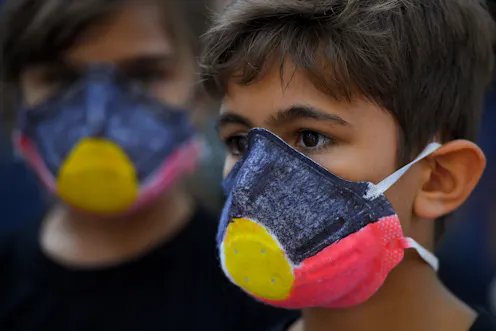
Indigenous people suffered greatly during the last global pandemic – the Spanish flu in 1918-19. They are vulnerable again because we still haven’t addressed inequalities in our public health system.

When it comes to improving Indigenous policies and programs, Indigenous communities should be the ones evaluating government – rather than the other way around.
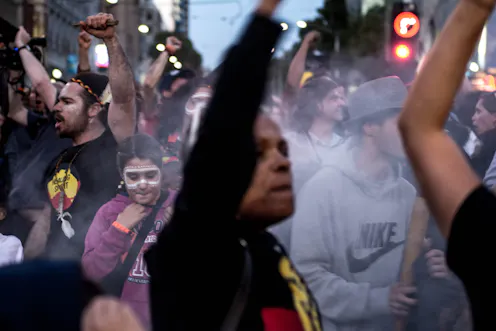
Despite the promise of Black Lives Matter, it has not been taken up as a central political movement by Indigenous Australians.
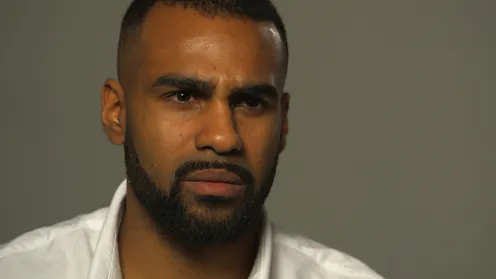
Héritier Lumumba played for Collingwood Football Club until 2014, where his teammates called him “Chimp”. His experience mirrors that of many other black men in Australia, particularly in the workplace.
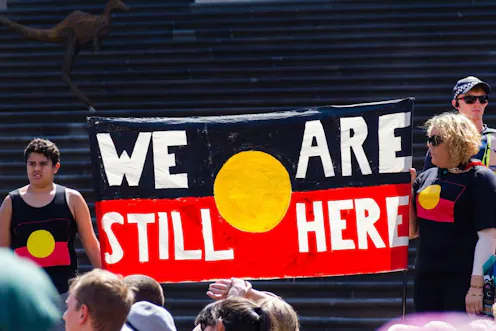
The result of the 1967 referendum may well have made Australia appear less racist, but it did not address the inherently racist nature of the Constitution.
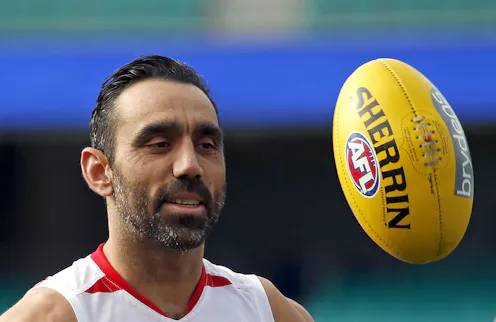
For Indigenous people, refusal is a powerful act of sovereignty. In Grand Final week, it’s timely to reflect on Adam Goodes’ refusal to accept racism in football or an official send off when he retired - and the repercussions of his stance, a year on.
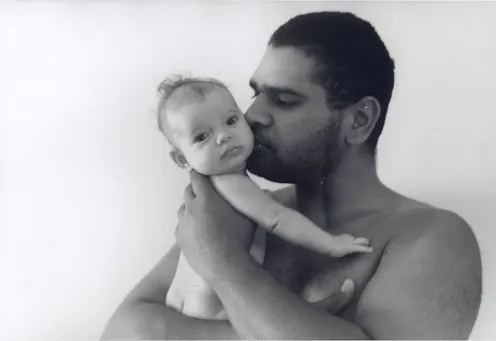
Bill Leak’s cartoon of a drunk Aboriginal father who doesn’t know his son’s name exemplifies a long tradition of white men’s fantasies about the inferiority of Aboriginal people.
Residents of Inala, a poor neighbourhood in Brisbane, don’t need a voyeuristic TV show telling its audience the same tired narrative about poor people. They need a voice in public policy discussions and the chance to frame their own stories.
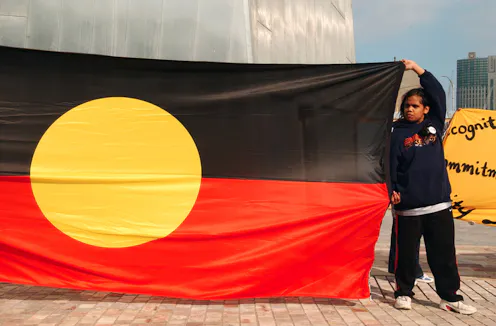
If there is ever a day that I don’t feel Australian, it would be on Australia Day. My mother is a fifth-generation Australian of English and Irish heritage and my father is Munanjahli and an Australian-born…
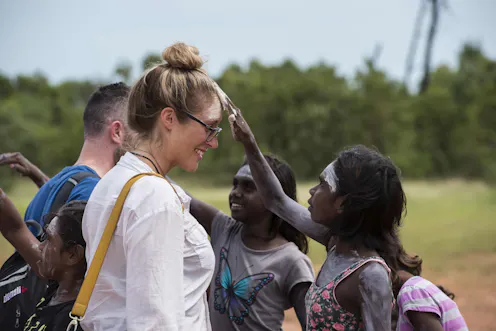
The SBS/Blackfella Films production First Contact – that takes six non-Indigenous people and immerses them into Aboriginal Australia for the first time – captured the nation’s attention this week amassing…
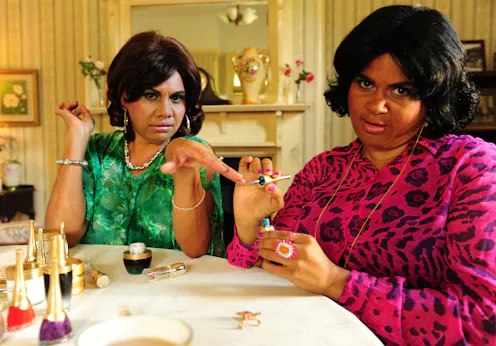
ABC’s new Indigenous sketch show Black Comedy, which premiered last night, is touted as a “show by blackfellas … for everyone”. As a blackfella, I’m not sure I agree that it is for “everyone” but that’s…
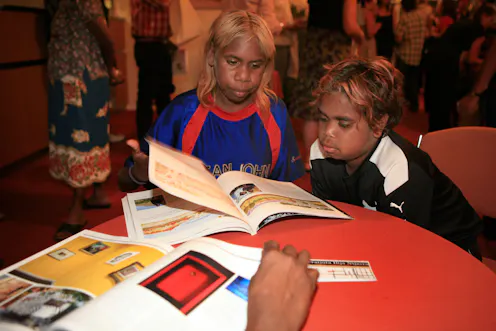
High stress among Indigenous children in urban areas is linked to poorer physical health and more parental concern about behavioural issues, a new study has found. Of 344 participating children, 51% had…
Contact Chelsea for
- General
- Media request
- Speaking request
- Consulting / Advising
- Research collaboration
- Research supervision
- Location: Brisbane, Qld
- Website
- X (formerly Twitter): @CarumbaQUT
- Article Feed
- Joined
