

How can life on Earth help us understand life in space? To answer this question, we compare biological clocks and geological rocks and find that they tick uniformly.
- Researcher at Research School of Astronomy and Astrophysics and the Research School of Earth Sciences, Australian National University
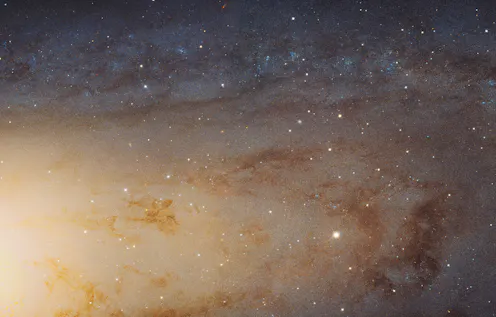
A new book explores some of the big questions of why the universe exists and why it seems fine-tuned for life.
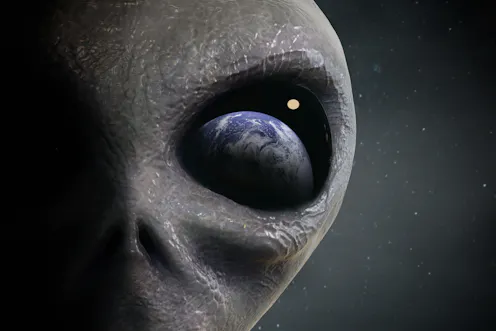
We continue to search for intelligent life elsewhere in the universe. But if we find ET there are those who question whether we should make contact or not.
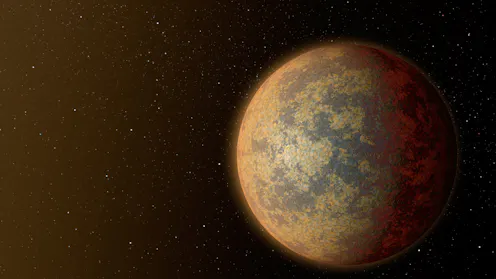
Complex life may be rare in the universe because most planets become either too hot or too cold before life has a chance to get a foothold. This might explain why we have yet to bump into E.T.

Given Earth is our sole example of life in the universe, it’s hard to know what we’re looking for elsewhere in the cosmos.
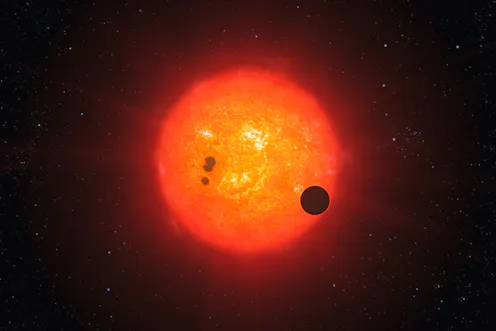
The search for life on other planets gets a boost thanks to an old calculation that found Uranus in our solar system.
Life originated on Earth about four billion years ago. Death, sex and multicellularity came along about a billion years later. According to our new atavistic model, cancer came with multicellularity. About…
Contact Charley for
- General
- Media request
- Speaking request
- Consulting / Advising
- Research collaboration
- Research supervision
- Location: Canberra, ACT, Australia
- Website
- Article Feed
- Joined
