
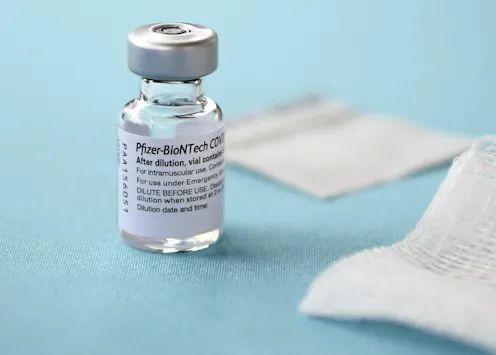
The U.S. FDA has approved the first COVID-19 vaccine. How is approval different from emergency use authorization, and what difference will it make to a vaccine that’s already in global use?
- Professor of medicine, epidemiology & biostatistics, and philosophy, Western University
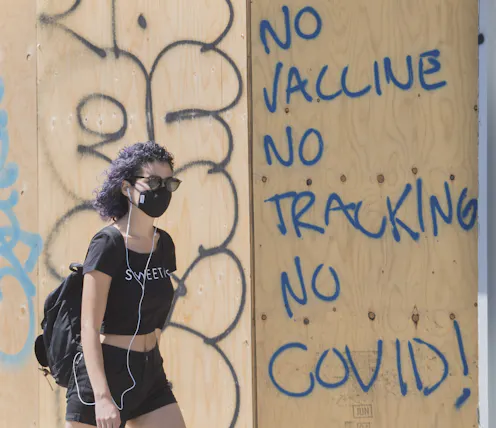
COVID-19 vaccines are at risk of being undermined by vaccine hesitancy. Pharma must take steps to ensure transparency in data monitoring committees and trial data to build public trust in vaccines.
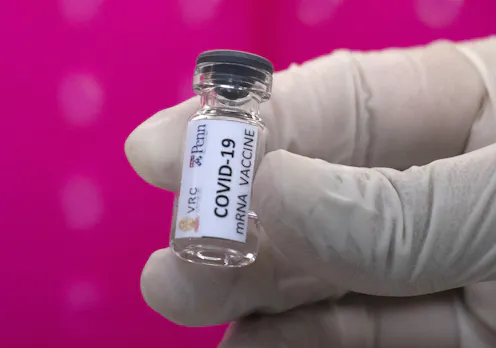
Un vaccin contre la Covid-19 sera-t-il sûr ? Les essais sur les animaux et l’humain et la surveillance post-approbation donnent de bonnes raisons de croire qu’un vaccin approuvé sera efficace et sûr.
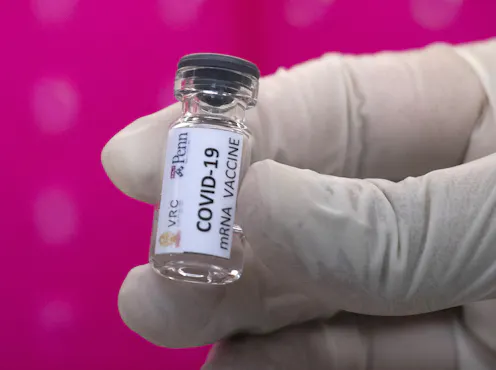
Will a vaccine for COVID-19 be safe? Animal testing, human clinical trials and post-approval surveillance give us good grounds to believe that a future approved vaccine will work and be safe.
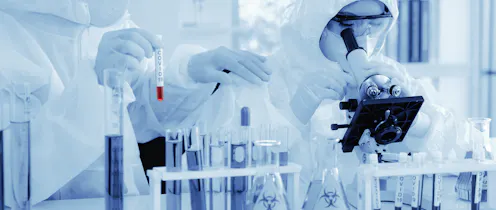
Thousands of people around the world have said they are willing to be exposed to COVID-19 to test new vaccines. Since we don’t fully understand the long-term effects of the disease, is this ethical?
Contact Charles for
- General
- Media request
- Speaking request
- Consulting / Advising
- Research collaboration
- Research supervision
- Location: London, Canada
- Website
- X (formerly Twitter): @charlesweijer
- Article Feed
- ORCID
- Joined
