
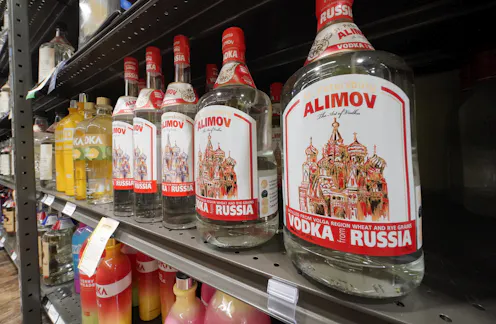
The US, Japan and other wealthy G-7 nations plan to remove Russia’s status as a most-favored nation. A trade expert explains what that term means and what might happen next.
- Associate Professor of Political Science, Georgia State University
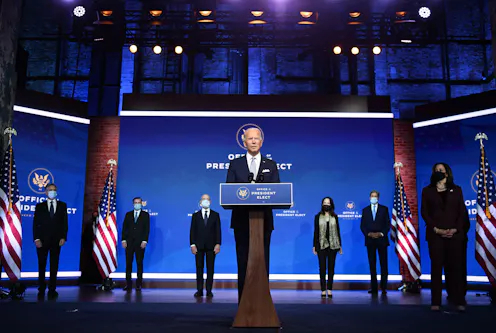
President-elect Biden hopes to restore America’s global leadership on issues like trade, but populists in both parties may make his job a lot harder.
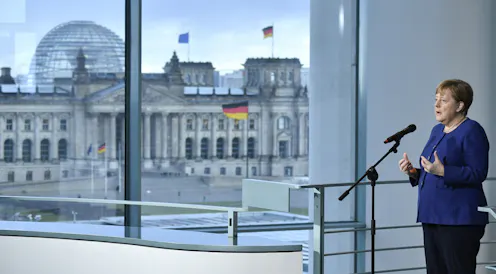
While some authoritarian governments have won early praise, research shows that democratic countries with a balance of power between central and regional bodies are best able to succeed.

New tariffs on $160 billion of Chinese goods including smartphones and sneakers are set to take effect on Dec. 15.
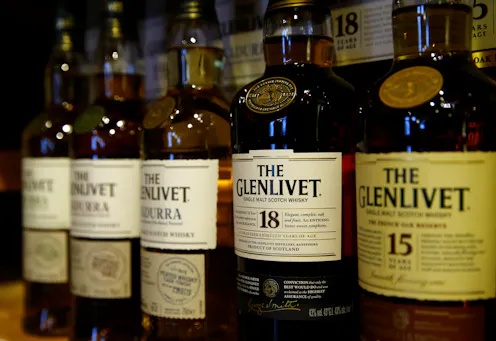
The Trump administration’s tendency to follow rules only if they’re in its interest could end up hurting the US in the long run.
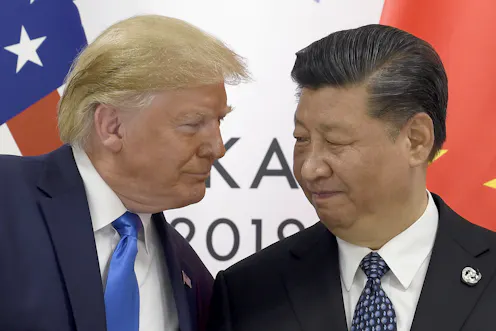
Trump’s endgame for the US-China trade war still seems elusive as the conflict continues to escalate.
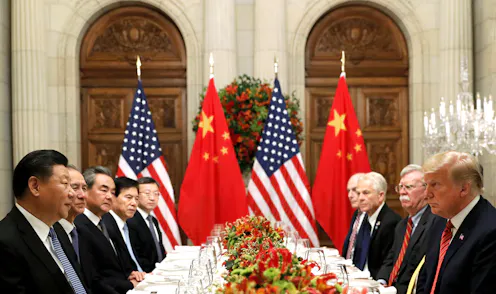
Trump’s embrace of bilateralism in trade relations has pernicious long-term consequences, including ratcheting up the odds of violent conflict.
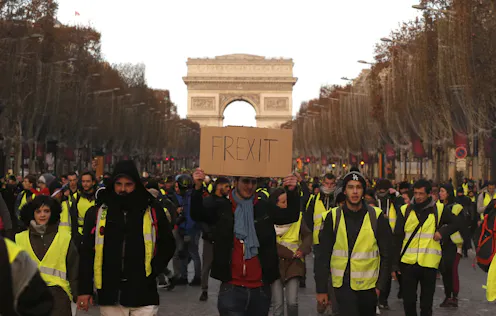
A populist movement that threatened to topple a French government more than 60 years ago has important lessons for today’s protests and why they represent a reckoning.
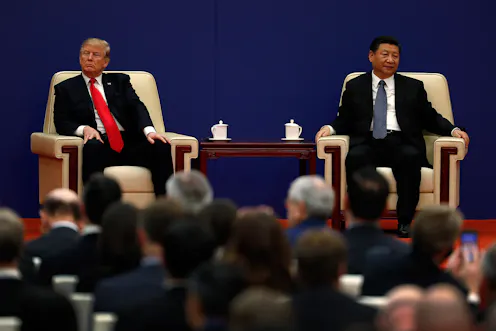
The US and China once again exchanged fire in their escalating trade war. Tariffs have been the main source of ammunition thus far, but China has other weapons it could begin to deploy.
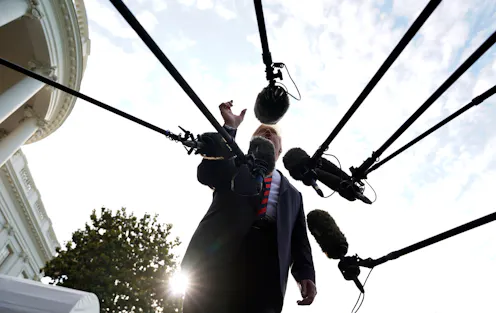
A political scientist and economist explores the causes and consequences of Trump’s scattershot trade policy.
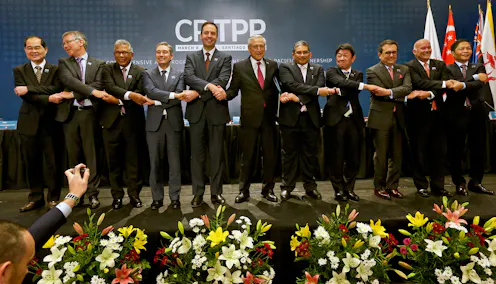
Trump, who withdrew the US from the Trans-Pacific Partnership when he became president, briefly appeared to consider joining the trade accord again.
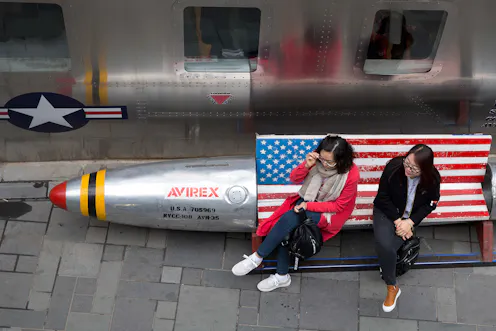
The $60 billion in tariffs targeting China not only risks sparking a trade war, they represent a rejection of the WTO’s much more effective way of dealing with unfair trade practices.
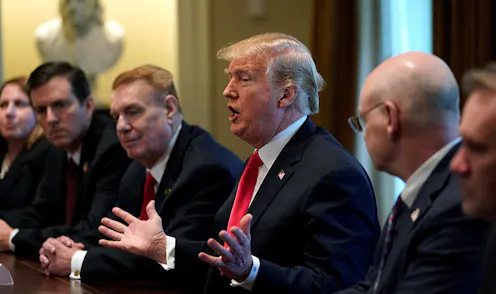
The president’s tariffs on steel and China mirror the misguided trade policies that helped precipitate the Great Depression.
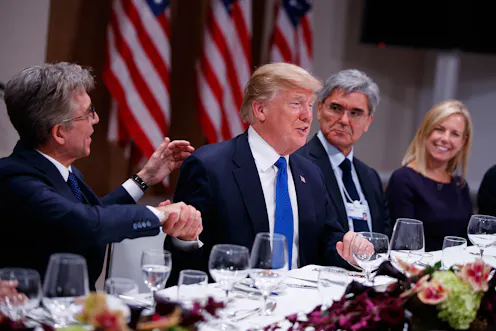
The billionaires, business leaders and other elites who gathered in Davos praised the president’s policies, yet research on the politics of economic growth suggests it’s too soon to celebrate.
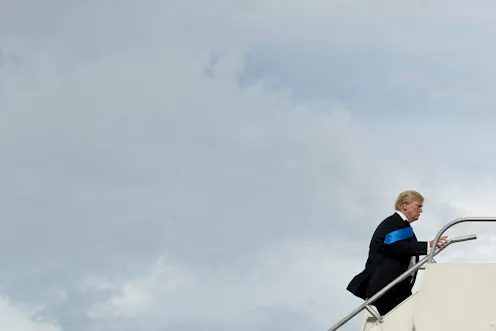
American lawmakers in the 1930s learned the hard way what happens when a country raises tariffs and makes other unilateral trade decisions.
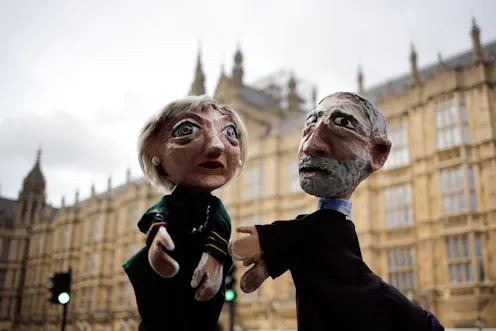
UK voters delivered a devastating blow to the prime minister, who combined a populist message with her party’s traditional economic policies. She may now face a power struggle.
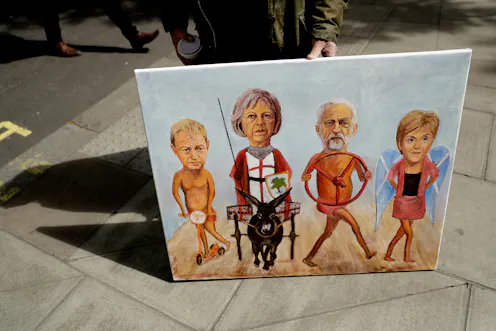
While security concerns have punctuated the campaign’s closing days, Brexit remains the most important issue on voters’ minds. How the EU exit is managed will matter a great deal to US interests.
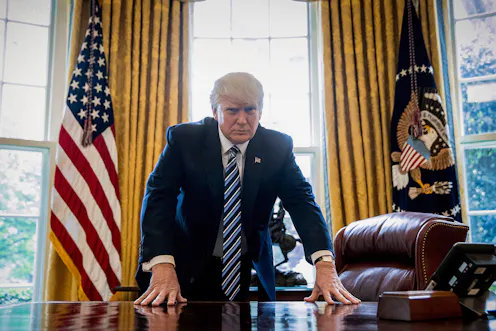
A flurry of policy reversals in recent weeks suggests Trump has changed his tune from his populist campaign promises. Has he?
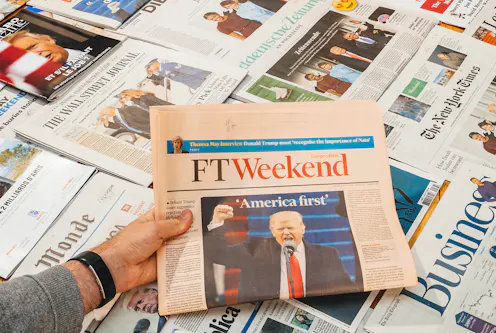
Trump’s ‘America first’ rhetoric implies that the internationalism and ‘enlightened self-interest’ that built the postwar order was a big mistake. The evidence and basic economics disagree.
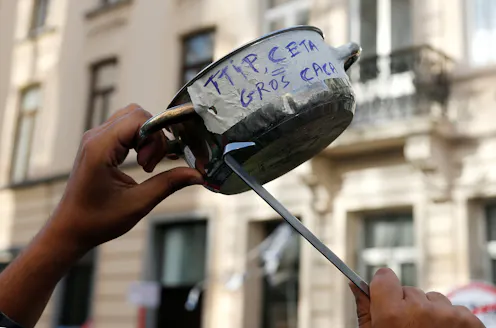
Most Western trade agreements – past and present – appear to be in doubt amid an anti-globalization backlash.

Liberal forces such as free markets, internationalism and tolerance have helped shape the current world yet appear to be on the wane.
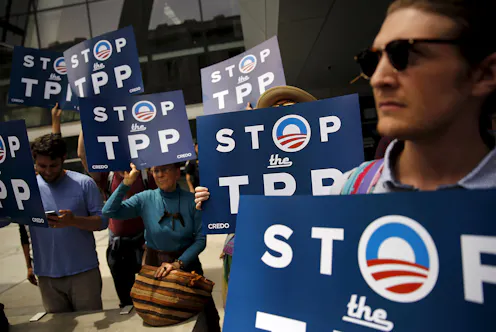
The Trans-Pacific Partnership is one of President Obama’s biggest accomplishments of his second term. Can it survive the anti-trade tide in the race to replace him?

The leading candidates of both parties have come out against the deal, among the many stumbling blocks that remain.

Disputes over intellectual property and car parts are emerging as last-minute hurdles as negotiators race to complete the Trans-Pacific Partnership ahead of elections.
The fight over fast-track that pitted the president against his own party offers reasons for both pessimism and optimism in future trade deals.
Contact Charles for
- General
- Media request
- Speaking request
- Consulting / Advising
- Research collaboration
- Research supervision
- Location: Atlanta, Georgia
- Website
- Article Feed
- Joined
