Charles-Francois de Lannoy

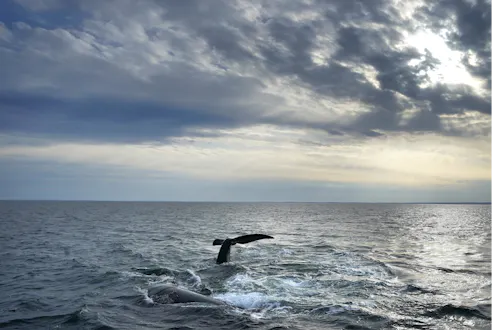
A pair of North Atlantic right whales interact at the surface of Cape Cod Bay, in Massachusetts, in March, 2023. Global warming is rapidly acidifying the oceans with dire implications for marine life. (AP Photo/Robert F. Bukaty, NOAA permit #21371)

New electrochemical technology could de‑acidify the oceans – and even remove carbon dioxide in the process

Global warming is making the oceans more acidic. Our work aims to design realistic systems to reduce this acidity, and remove carbon from the atmosphere in the process.
Ontario Premier Doug Ford and Health Minister Sylvia Jones in conversation at Queen’s Park, the day after Ontario’s chief medical officer of health ‘strongly recommended’ mask wearing. THE CANADIAN PRESS/Chris Young

With COVID, flu and RSV circulating, it’s time to follow the evidence: Return to mask mandates

In 2020, with adult ICUs at risk of being overwhelmed, we wore masks and accepted restrictions. Now pediatric intensive care is at risk. Will leaders follow the evidence and tell us to mask up?
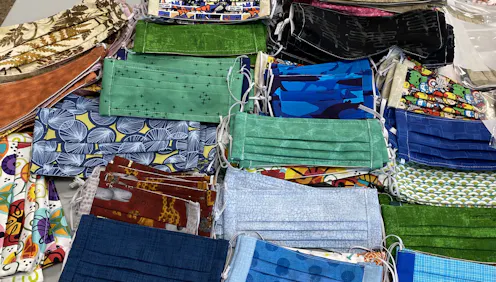
Fit, fabric and design affect mask effectiveness. (Windsor Essex Sewing Force)

What’s next with face masks? Keep wearing them in public, wear the best mask available and pay attention to fit

We tested well-fitting cloth masks made from 16 kinds of cotton, on human participants, to see how many provided filtration comparable with a certified medical mask. Most of them did.
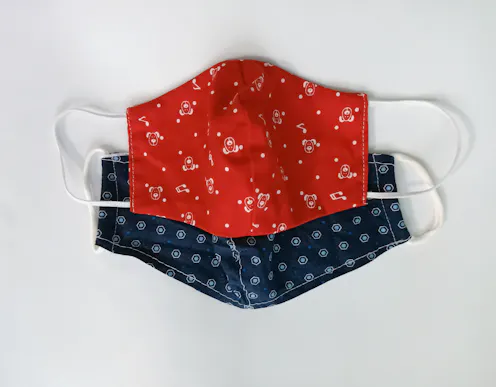
Layering face masks has been suggested as a way to increase protection against COVID-19 variants that may be more transmissible. (Shutterstock)

Are two cloth masks better than one for preventing the spread of COVID‑19?

Are two face masks better than one? Adding layers of filtration by double masking is a way of using the masks that we already have, possibly to better effect.
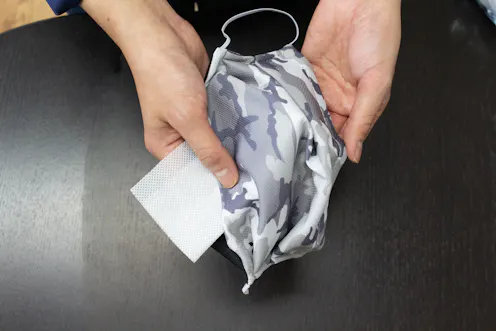
Une nouvelle recommandation conseille d’utiliser une couche supplémentaire de tissu en polypropylène pour faire office de filtre dans les couvre-visages. (Sara Alas/Niko Apparel)

Tout ce que vous devez savoir sur le polypropylène, recommandé pour les masques contre la Covid‑19

Tout ce qu’il faut savoir sur le polypropylène non tissé, le tissu désormais recommandé pour servir de filtre dans les masques faciaux en tissu : ce que c’est, ce qu’il faut chercher et où le trouver.
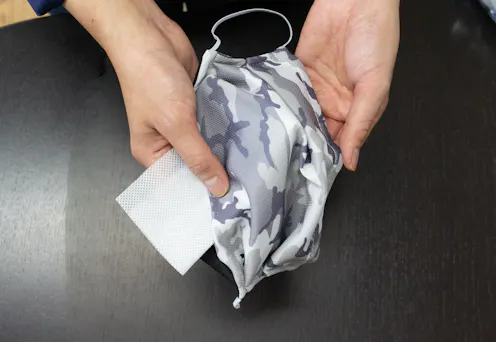
New recommendation advise using an additional layer of polypropylene fabric in cloth masks to act as a filter. (Sara Alas/Niko Apparel)

Polypropylene, the material now recommended for COVID‑19 mask filters: What it is, where to get it

Everything you need to know about non-woven polypropylene, the fabric now recommended for use as a filter in cloth face masks: What it is, what to look for and where to find it.

Contact Charles-Francois for

  • General
  • Media request
  • Speaking request
  • Consulting / Advising
  • Research collaboration
  • Research supervision
  • Location: Hamilton, ON, Canada
  • Website
  • Article Feed
  • ORCID
  • Joined