
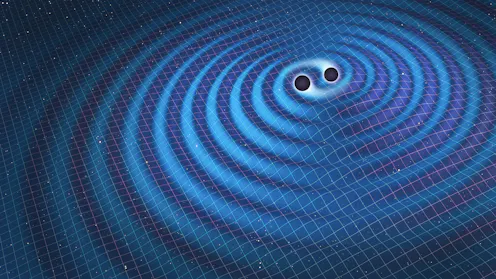
A decade after the first discovery, scientists have used these waves to find a unique merger, a massive binary system and a crystal-clear gravitational wave signal.
- Professor of Physics, Penn State
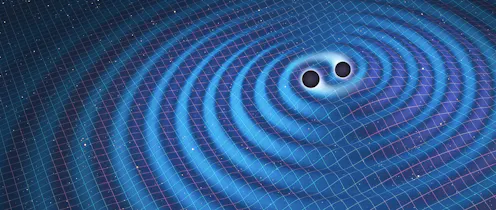
Upgrades to the hardware and software of the advanced observatory should allow astrophysicists to detect much fainter gravitational waves than before.
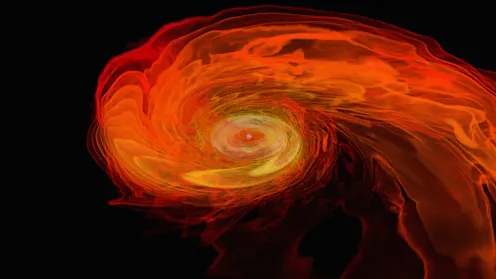
A LIGO team member describes how the detection of a gravitational wave from a new source – merging neutron stars – vaults astronomy into a new era of ‘multi-messenger’ observations.
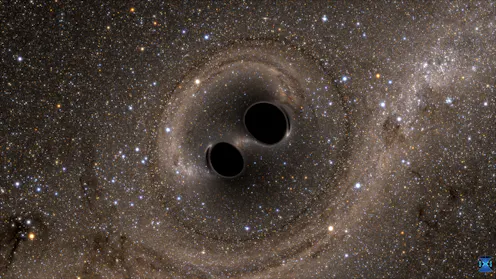
Here’s a LIGO insider’s description of how he got the news of a phenomenon that had first been theorized 100 years ago.
Contact Chad for
- General
- Media request
- Speaking request
- Consulting / Advising
- Research collaboration
- Research supervision
- Location: University Park, Pennsylvania, U.S.
- Website
- Article Feed
- Joined
