
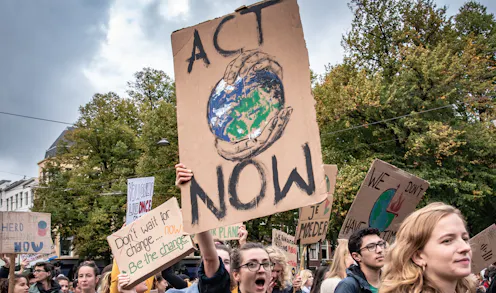
Climate denial is passe. But why do so many of us know the climate crisis is upon us – and live like it isn’t?
- Collaborative Research Fellow, Sustainable Industries and Liveable Cities (ISILC), Victoria University
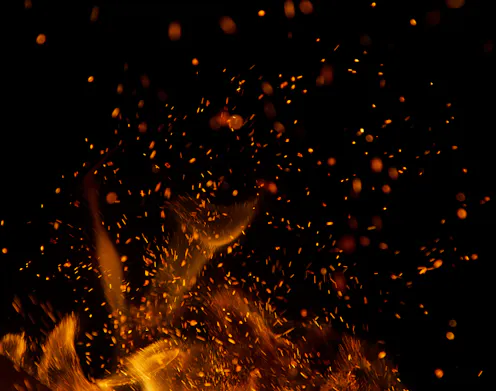
The northern summer was marked by intense fires and heat. Now it’s our turn to face the heat.
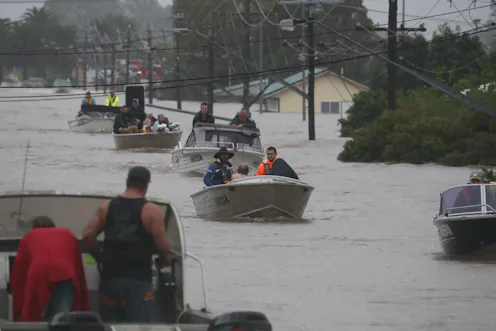
It is unreasonable to expect people to cope with all disasters – but it is reasonable to expect people to manage a certain level of risk.
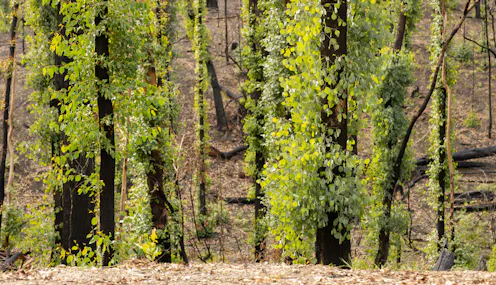
First the fires, then the pandemic. It’s not just the damage to infrastructure, houses, environment and farmland that makes recovery difficult; the emotional and physical toll is often gruelling too.
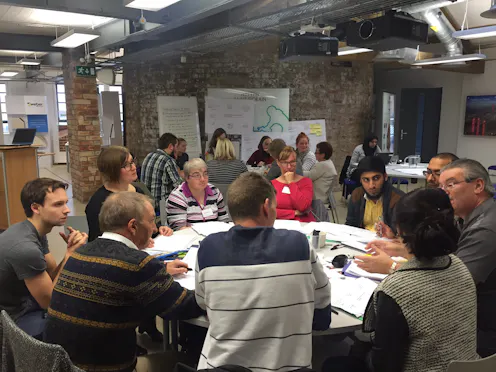
A citizens’ jury has been working to refresh the Future Melbourne strategy. It’s part of a broader shift from government decision-making for communities to decision-making with communities.
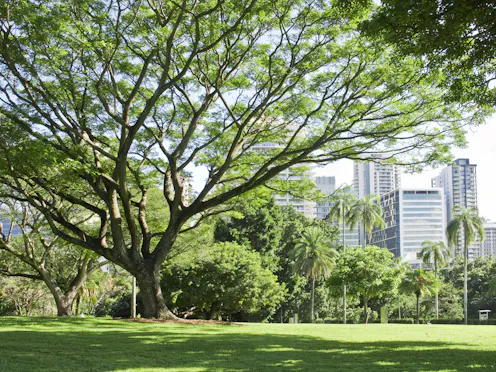
When communities are surveyed, green infrastructure is usually high on their list of urban planning priorities. But until now planners have lacked tools to quantify the long-term benefits.
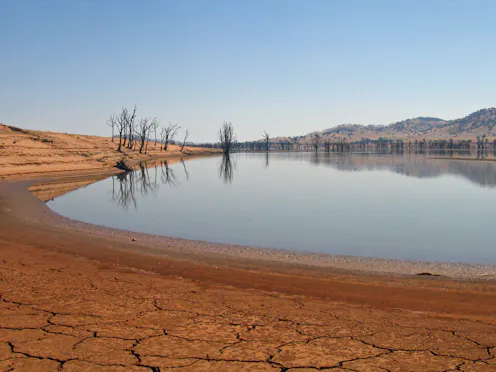
A growing number of researchers are looking to grief to understand how people will respond to climate change.
The Intergovernmental Panel on Climate Change (IPCC) is the accepted global authority on climate change. It produces reports that are collectively agreed assessments of the scientific literature by leading…
Contact Celeste for
- General
- Media request
- Speaking request
- Consulting / Advising
- Research collaboration
- Research supervision
- Location: Melbourne
- Website
- X (formerly Twitter): @ckyoung01
- Article Feed
- ORCID
- Joined
