
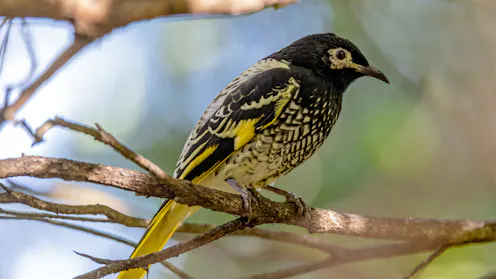
The regent honeyeater is a beautiful bird at risk of extinction. So how can we protect it from native predators, such as possums and sugar gliders?
- Discovery Early Career Research Fellow, University of Sydney
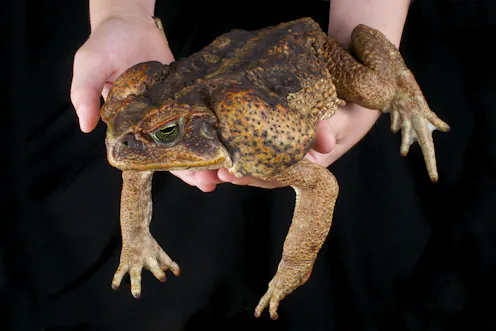
Behavior-based interventions could boost conservation efforts, but raise their own set of tricky ethical issues.
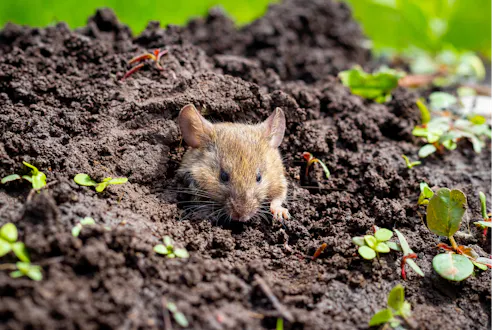
Rodents destroy around 70 million tonnes of grain each year. What if we could trick them into looking elsewhere for their food?
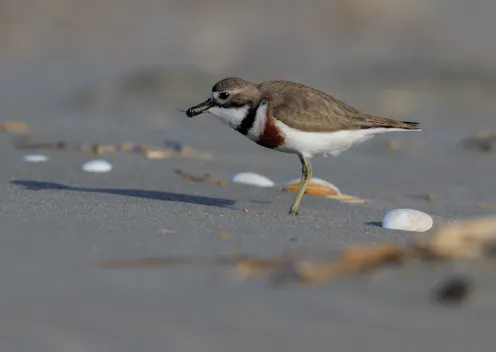
From the archive: using misinformation to fool predators into leaving bird nests alone. Listen to The Conversation Weekly podcast.

A transcript of episode 10 of The Conversation Weekly podcast, including a story on a new technique to prevent predators eating the eggs of endangered birds.

Plus a new technique to protect birds from predators – using fake smells. Listen to episode 10 of The Conversation Weekly podcast.
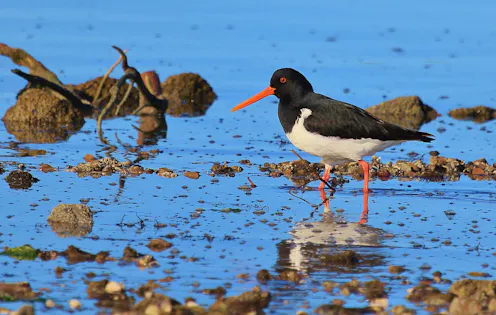
When scientists first thought to deceive predators with bird smells, the idea seemed crazy. But after seeing how fake news messes with the minds of both humans and animals, it now makes sense.
Contact Catherine for
- General
- Media request
- Speaking request
- Consulting / Advising
- Research collaboration
- Research supervision
- Location: Sydney, New South Wales, Australia
- X (formerly Twitter): @cathjprice
- Article Feed
- ORCID
- Joined
