

The situation in the US is deeply concerning – for vaccine uptake and for the impacts globally.
- Chair in Epidemiology, Deakin University

The World Health Organization has classified the EG.5 family of Omicron variants, including Eris, as ‘variants of interest’. What does that mean? And how does Eris differ to other Omicron variants?

People can get infections sooner and we now have a mix of variants in the population. Reinfections will likely become more common and the infection rate will rise.

Isolation will no longer be mandatory when you have COVID, but you should still test for it and stay home if you’re positive. Here’s why.

If someone who lives in a six-person household gets COVID, you’d expect, on average, two others to get it too.

Will two fewer days of isolation make much of a difference to COVID case numbers?
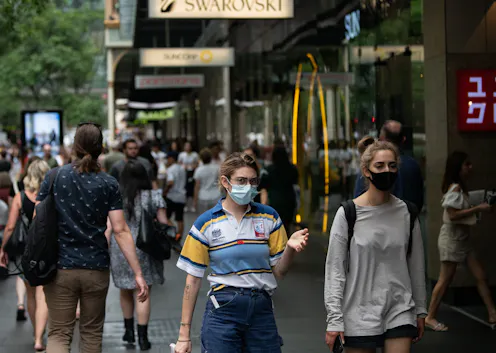
Just because a variant spreads faster, it doesn’t necessarily mean it has a higher R0.

The arrival of the highly infectious Omicron variant has changed the COVID landscape in Australia. We asked 5 experts whether it’s time to rethink vaccine mandates for dining, fitness and events.
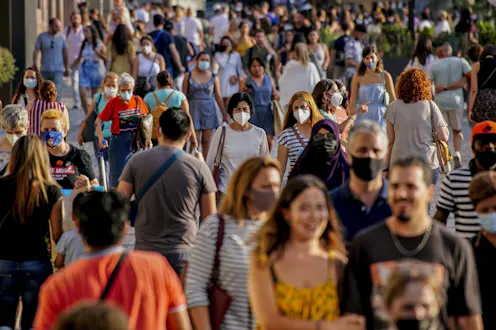
Endemic doesn’t mean we drop our guard, surrender to the virus or downgrade the threat the virus poses to individuals and the community.
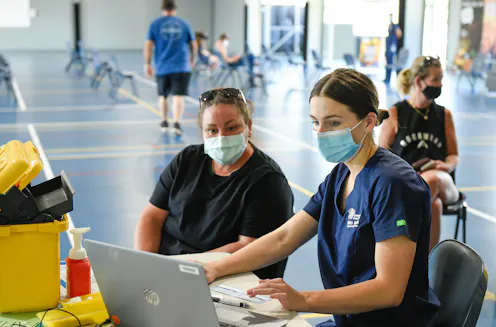
This is a proportional response to managing risk at this stage of the pandemic, with so many of us vaccinated and receiving boosters. However, we need to monitor these changes.

What did Melbourne and Victoria get right, and wrong, amid the pandemic?

Is a 7-day home quarantine enough? What are the risks? And how will we ensure people stay home? Epidemiologist Catherine Bennett answers your questions.

The potential risk of easing restrictions will be managed through a continued focus on outdoor activity and greater freedoms only for those who are vaccinated.

Many Sydneysiders have been heading to beaches in their local areas as the weather warms. So, if it’s allowed under the public health orders for your area, is it OK to go to the beach?
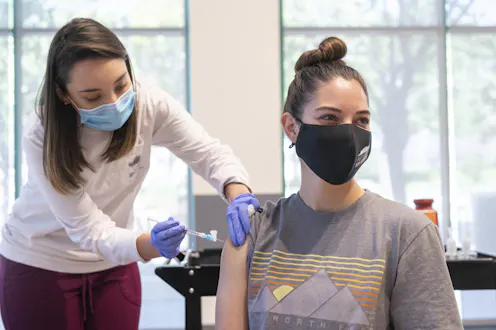
The federal government has announced the Pfizer vaccine will be available to all Australians from August 30. Though there may well be long waits.
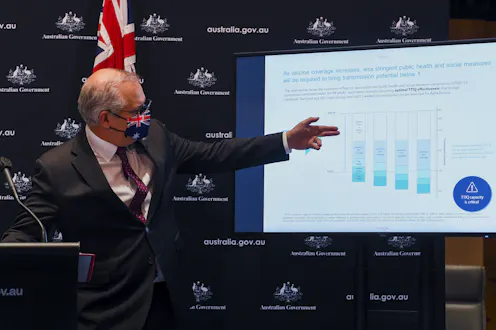
20-39 year olds are ‘peak spreaders’. If we vaccinate them, it reduces the risk for all of us.

4 out of 5 experts said yes.

To come out of lockdown, health authorities want to see that all cases are linked, and that potentially infectious people are quarantining before they test positive. This still isn’t happening.

There’s always an element of ‘hindsight being 20/20’ whenever we’re evaluating a lockdown.

People are not more likely now to get infected by brushing past someone on the street. We’re just better at finding links between cases.
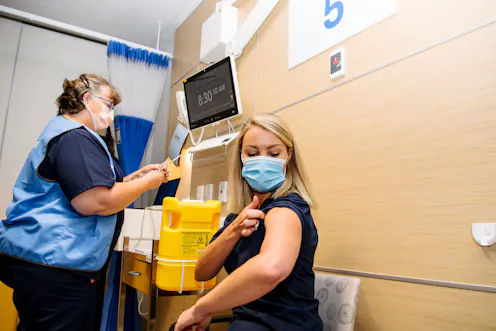
We want to get everybody vaccinated. Opening up to younger age groups could be one way to speed things up — but it will come with logistical challenges too.

It’s feasible to bring home at least some of the COVID-positive Australians stranded in India. Here’s how we can do it while keeping infection risk at a minimum.

You only have to prevent one case, which could have otherwise led to community spread and lockdown, for such a scheme to pay for itself many times over.

Several factors converge in this region to produce significant risk. The tentacles of this particular outbreak might be more far-reaching, so it’s crucial we get testing numbers up.

It’s all well and good to be able to connect cases through genomic sequencing. But it’s important to be able to connect them epidemiologically as well.
Contact Catherine for
- General
- Media request
- Speaking request
- Consulting / Advising
- Research collaboration
- Research supervision
- Location: Melbourne, Australia
- Website
- Article Feed
- ORCID
- Joined
