
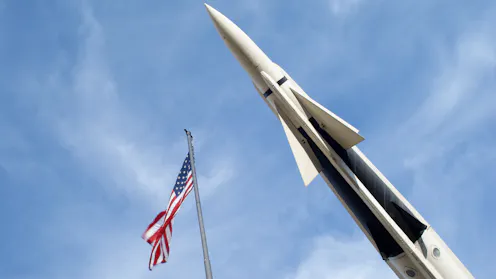
This could mark the start of a major arms race in space, which would threaten all of us on Earth.
- Chief Executive Officer, Australasian Centre for Space Governance; Associate Expert, National Security College, Australian National University
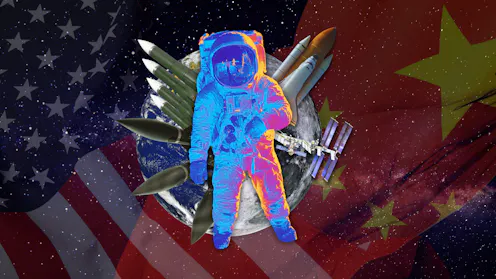
Only by fostering a deeper sense of ‘space citizenship’ will everyone benefit from our journeys to the Moon – and beyond.
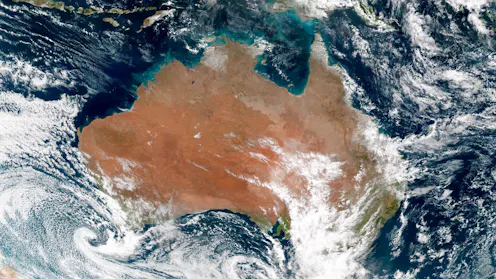
Australia relies on satellites it doesn’t own – which creates a risky situation.

Without satellites, we wouldn’t have much of the Earth and climate data we have today. And Australia is a world leader in satellite data.
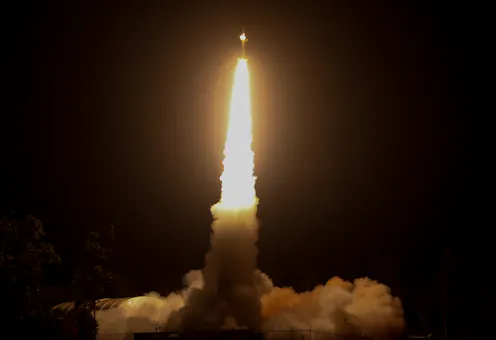
Despite what you may think, Australia has a long history of space activities. But this is the first time the Australian public has been asked its opinions on space.
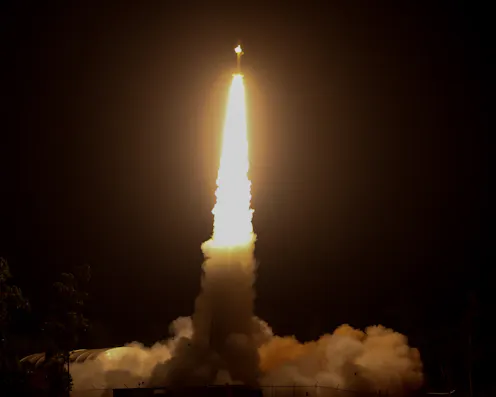
Why is the space sector struggling to attract a more diverse talent pool? We have a few solutions that could help.
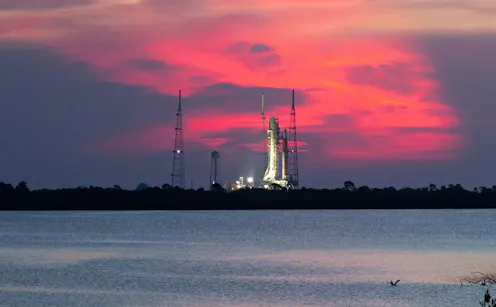
Lunar mining and geopolitical squabbles are set to play key roles in humanity’s return to the Moon.
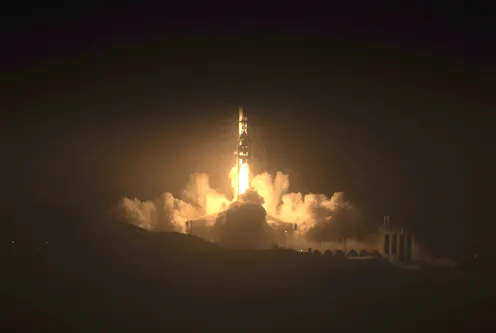
Anti-satellite weapons could fill Earth’s orbit with space junk and make it unusable for military and civilian purposes
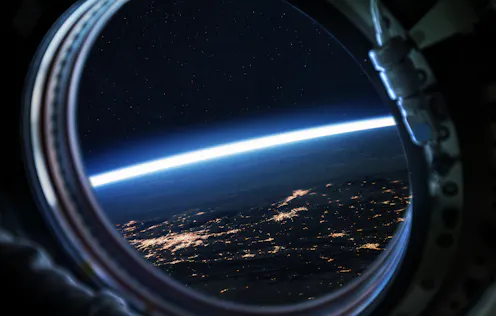
Several spaceflights scheduled over the next few years will take non-astronauts to space. But it’s not certain this privilege will ever extend to anyone beyond the extremely wealthy.
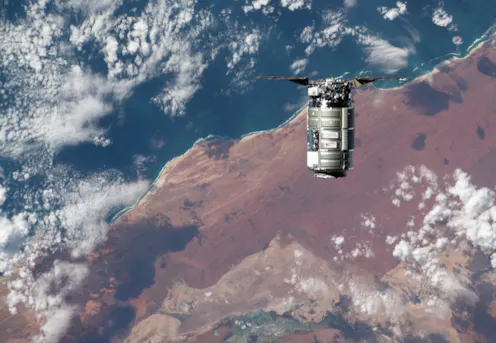
As Australia’s efforts in space accelerate, we must avoid escalating a cycle of competition and conflict.
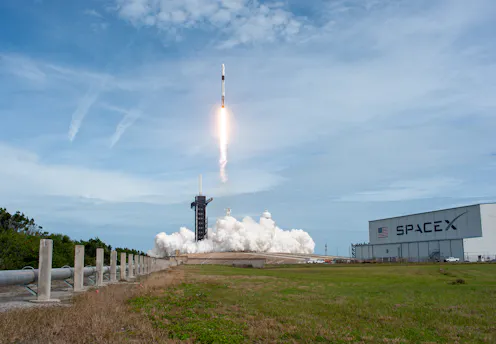
About 770 Australian entities are already developing space-related infrastructure, most of which are privately owned.
Contact Cassandra for
- General
- Media request
- Speaking request
- Consulting / Advising
- Research collaboration
- Location: Canberra
- Website
- BlueSky: @cassandrasteer.bsky.social
- LinkedIn: https://www.linkedin.com/in/cassandra-steer/
- Article Feed
- ORCID
- Joined
