

Cheap camera glasses make covert filming easier than ever. But NZ law may leave gaps when the resulting footage is sexualised or shared online.
- Senior Lecturer in Law, University of Canterbury

The rapid development of new technologies means criminalisation alone is unlikely to stop the spread of sexualised deepfakes.

While the UK reins in deepfakes on Elon Musk’s X, NZ’s outdated laws leave women exposed and platforms unaccountable.

Online abuse designed to humiliate, coerce or silence women and minority politicians is taking its toll. With a general election next year, the rules have to change.

Criminal law struggles to keep up with predatory uses of the technology for ‘image-based sexual abuse’. It’s time to step back and build future-proof protections.

A legal framework for protecting women MPs has already been developed. The government should revive it, and address the underlying causes of online abuse.

Relying on voluntary commitments to reduce online harm puts New Zealand out of step with other countries with legally enforceable rules to protect social media users’ safety.

The inclusion of cyberstalking in the proposed anti-stalking law brings New Zealand in line with other countries. But future technologies may make harm even harder to combat.

Representative democracy is under threat as females – particularly from minority groups – leave or choose not to enter politics. Many say the mental toll of online abuse has become overwhelming.

Ugly incidents in the run-up to the election mirror the rise of online violence against women in politics. The next government needs a plan to tackle the problem before it’s too late.

A cultural change is needed in the defence force to break the “code of silence” that still exists about sexual abuse and harassment in the ranks.
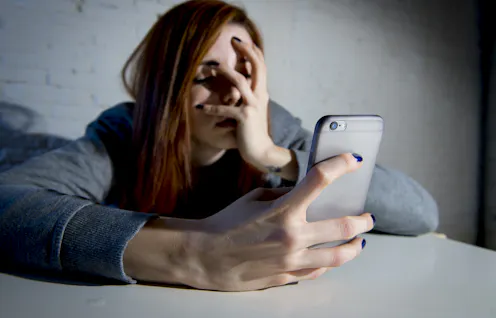
During the COVID-19 pandemic, online platforms might seem to be safer places to work and socialise, but online abuse is expected to rise – and women are at a higher risk.
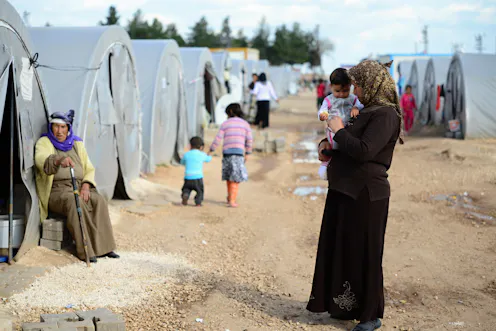
Survival sex – the exchange of sexual favours for aid packets – happens in refugee camps everywhere. Victims are not protected by international human rights law.
Contact Cassandra for
- General
- Media request
- Research collaboration
