
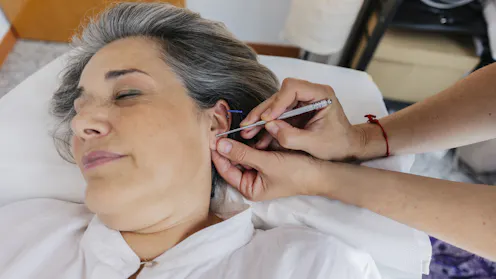
Hot flushes, night sweats or swinging mood changes can be debilitating. So it’s tempting to look to complementary therapies. Here’s what the evidence says.
- Associate Professor, Cancer Survivorship and Primary Care, Caring Futures Institute, Flinders University
- Adjunct Associate Professor, NICM Health Research Institute, Western Sydney University

Women can go into menopause after cancer treatment or surgery. The timing and severity of symptoms can differ from natural menopause.

Women with polycystic ovary syndrome say they find it hard to lose weight. Here’s what they can do to improve their symptoms and long-term health.

The root of the black cohosh plant has a long history of use in Europe and became popular around the world after receiving German approval as a non-prescription drug for hot flushes in 2000.
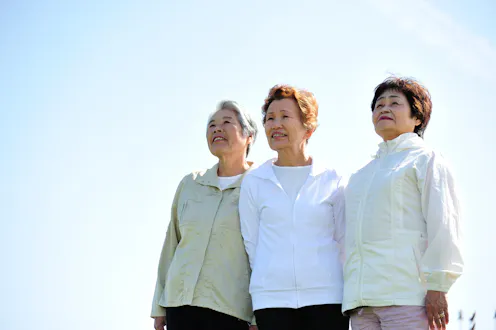
Three out of four women going through menopause suffer hot flushes, and suffer they do. But research shows the way society views ageing and menopause can reduce the severity of symptoms.
Contact Carolyn for
- General
- Media request
- Speaking request
- Consulting / Advising
- Research collaboration
- Research supervision

