
The Trump administration fired the entire board that oversees the National Science Foundation, raising an age-old question about the separation of science and state.
- Professor of Public Affairs, The Ohio State University
Scientific innovation has been driving US economic growth for decades. Losing that edge means losing access to the technologies and brainpower that come with it.
Scientific R&D drives economic competitiveness, military technology and national security. Governments are trying to balance research security with protecting the openness that makes science work.
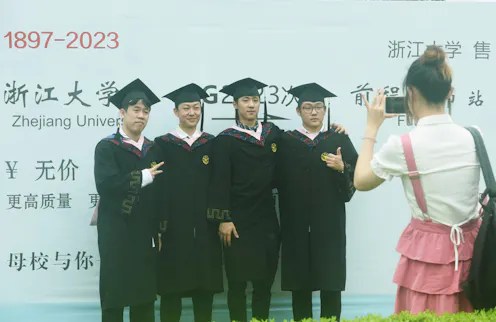
Science rankings rely on papers in academic journals. Broadening the view to include many more open-access journals will upend the usual order – thanks to China’s vast number of publications.
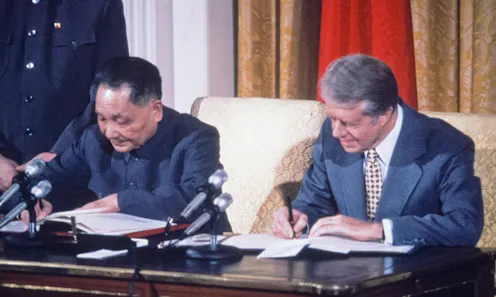
China’s success in science and technology propelled it to the forefront of many fields. Now, the US wants to pull back from years of intense cooperation.
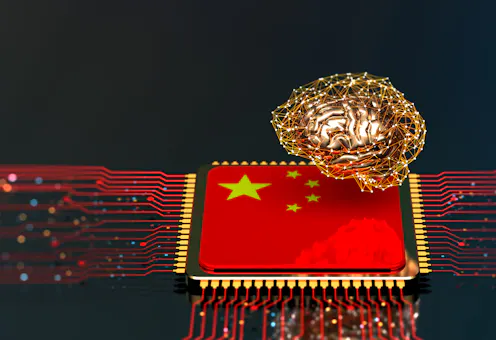
In 2014, Chinese researchers published more papers than any other country for the first time. In 2019, China overtook the U.S. as the No. 1 publisher of the most influential papers.

The recent arrest of a Chinese-born scientist at MIT raises questions about the value of international science collaboration and its impact on the American innovation system.

In an era of big scientific collaborations, China’s renegade actions have hurt its reputation. As international researchers back away, it may be the country’s military that ultimately suffers.
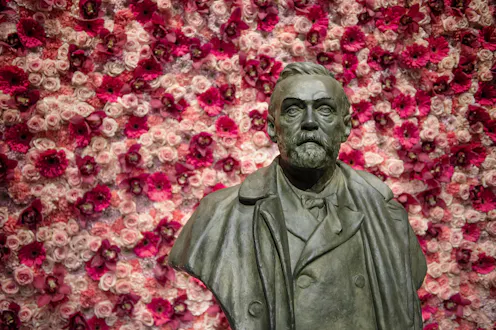
Today’s scientific research is characterized by interdisciplinary, international collaboration. Awards like the Nobel Prizes haven’t caught up.
Contact Caroline for
- General
- Media request
- Speaking request
- Consulting / Advising
- Research collaboration
- Research supervision
- Location: Columbus, Ohio, U.S.
- Website
- X (formerly Twitter): @Caroline S Wagner
- Article Feed
- ORCID
- Joined
