

Adolescent girls carry the blame for early pregnancy, yet the boys and men who got them pregnant remain invisible.
- Senior Research Scientist, African Population and Health Research Center
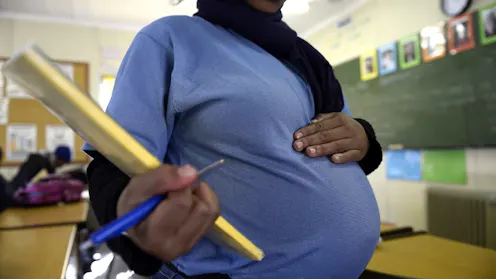
Les programmes visant à lutter contre la prostitution doivent être adaptés à chaque contexte. Les facteurs déterminants varient d’un pays à l’autre.

Programmes to address transactional sex need to be customised. The drivers change from country to country.
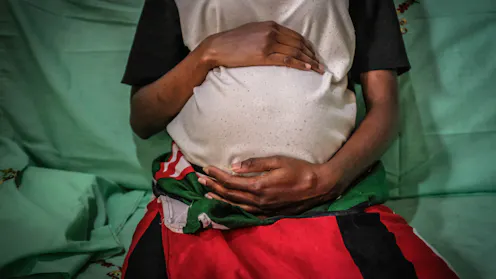
Adolescent girls living in low-income urban informal settlements face challenges that elevate their susceptibility to early childbearing.
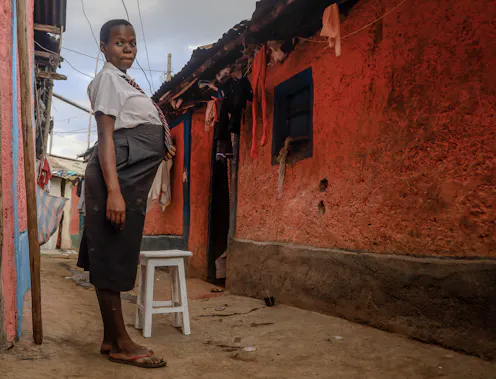
Pregnant Kenyan teens aren’t getting support before or after pregnancy – setting them up for a life of hardship.
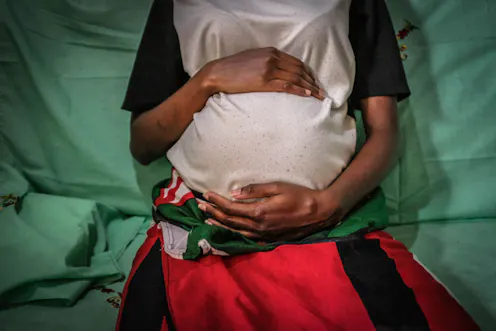
Adolescent girls are more at risk during childbirth. Stigma and abuse by healthcare workers makes them less likely to seek medical care, putting their lives further in danger.

The changes that society needs, such as preventing adolescent pregnancies, will not happen until researchers can use their findings to influence policy change.

Equipping parents with the right information on what to talk about, and how to talk about it, is a key step in addressing challenges to sexual health.

Challenges that women and girls in low-income areas face have been worsened by measures taken to slow the spread of COVID-19.
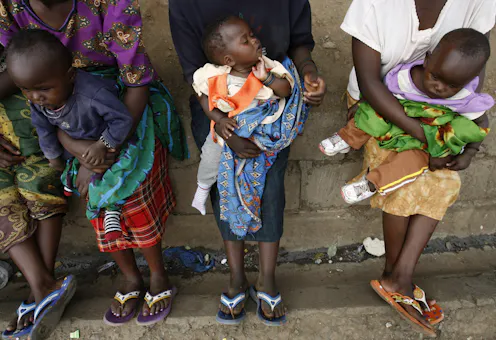
Teenage pregnancy is a massive problem in Kenya. But for this to change, young women need access to information and education rather than moral lectures.
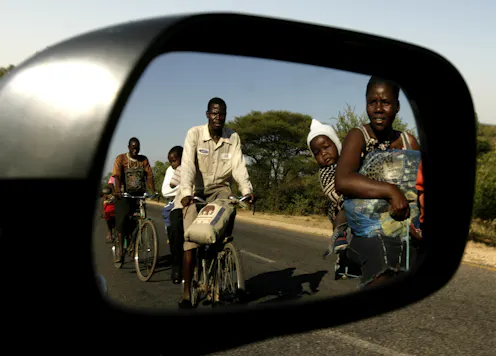
Material deprivation and young people desiring the latest fashion trends are motivating the transactional sex relationships in Malawi’s urban slums.
Contact Caroline for
- Research collaboration
- Location: Kenya
- Website
- X (formerly Twitter): @CwKabiru
- Article Feed
- Joined
