

Voters’ economic pain is real. But perceptions matter too, and the government must get better at selling its message on its key policies.
- Emerita Professor of Politics, Adelaide University
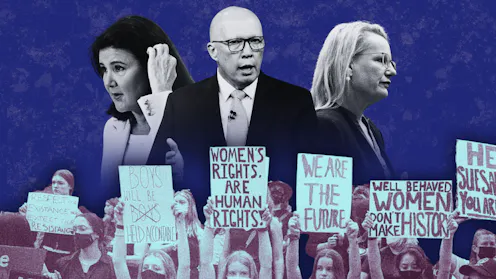
The Liberal Party’s idea of equality means treating everyone the same, rather than addressing structures loaded against women. It’s doing the party enormous damage.

Aside from having a woman candidate for president, this US election is also throwing up contrasting ideas of masculinity.
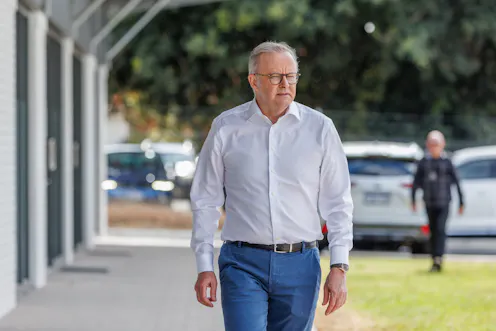
He was elected promising a new style off government, but his difficulty in countering Peter Dutton’s right-wing populism has left Albanese floundering.
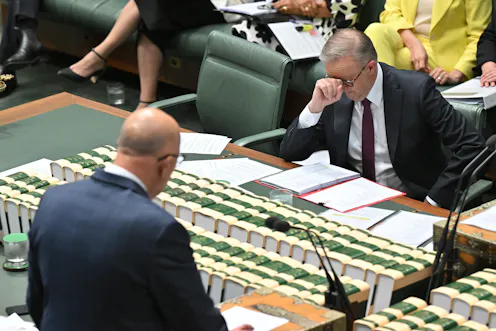
The idea of equality is not what it used to be -–and it’s a political headache for Labor.
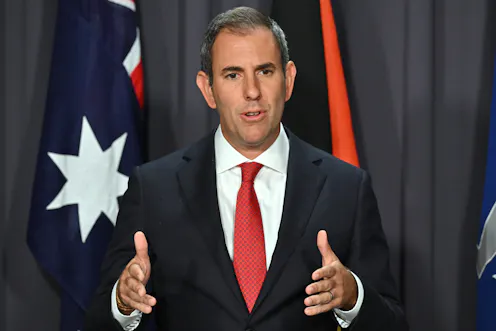
The treasurer has outlined a blueprint for an economy that will solve problems while still looking after the people at its centre. And despite the detractors, there is much to be said for it.
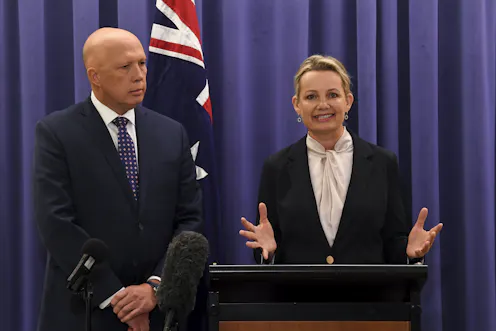
One of the biggest barriers to gender equality the Liberals face is an entrenched belief the economic market is gender-blind and can be relied on to improve equality.
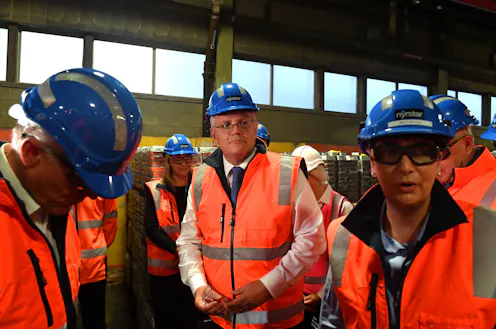
The positive nexus between Morrison’s economic agenda and his masculine leadership image in 2019 may have now turned negative. This reinforces Labor narratives that he’s uncaring and a poor performer.

Intellectual and a talented communicator, Chalmers may turn out to be a far more innovative politician than his current cautious election rhetoric suggests.
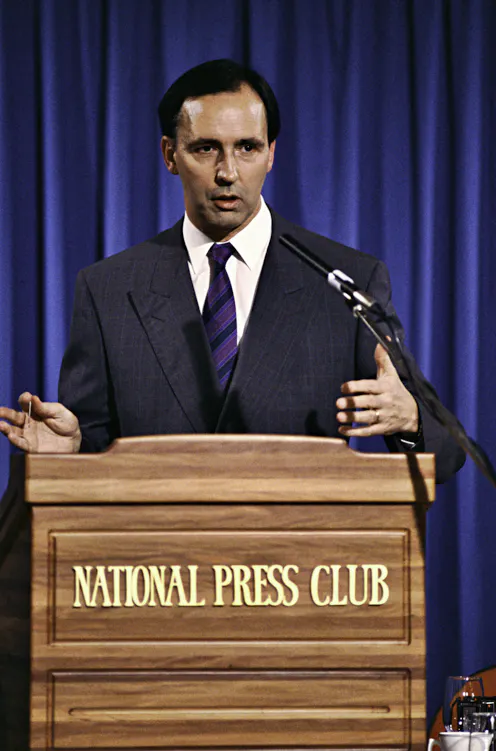
Charismatic, controversial and witty, Paul Keating, along with Bob Hawke, modernised the Australian economy and opened it up to Asia.
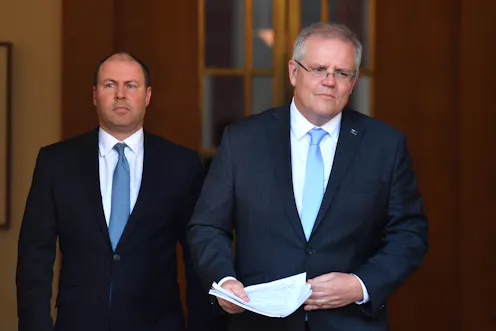
Rather than the absence of ideology, Liberals may be reverting to earlier forms of social liberalism that emphasise the common interests between labour and capital.

Given the market is not coping and the need for government to intervene is more apparent than ever, one might think the time for social democracy has come again. The reality, though, is not so simple.
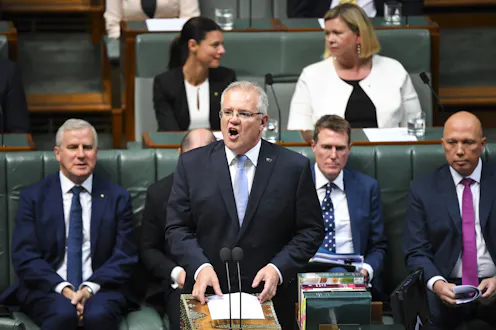
Authoritarian populism has been around for a while, but this government’s determination to punish some groups make the label more apt than just “conservative”.
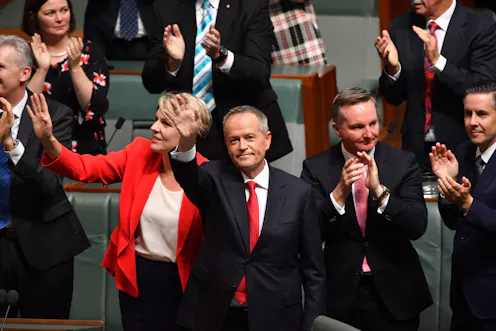
The Labor Party has signalled that equality and fairness will form the centrepiece of its policy framework - but there will be challenges to that if it wins office in May.
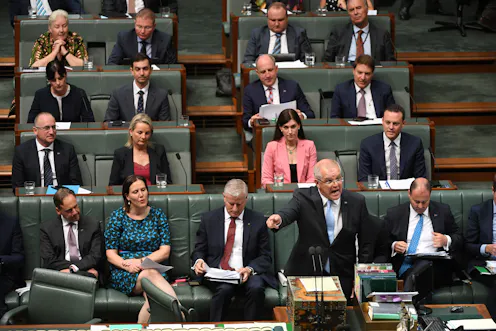
Whether they form the next government or not, the Liberals need to reconsider their reliance on neoliberal economics, which may no longer be serving the party – or the country.
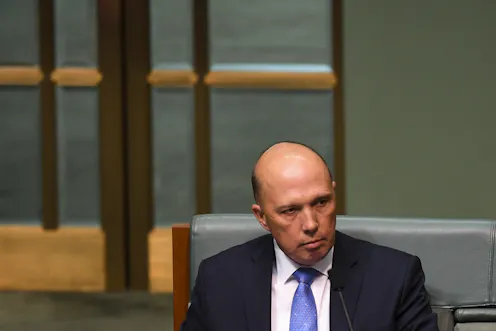
Whoever ends up the Liberal prime minister will need to articulate a more coherent economic policy to help everyday Australians.
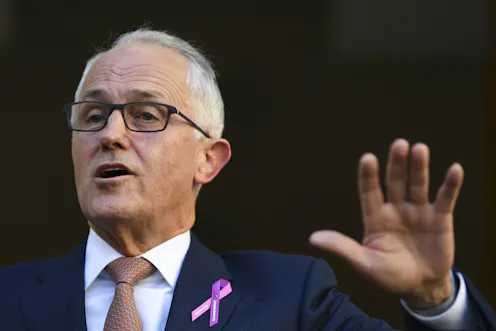
Malcolm Turnbull’s acknowledgement of gendered power imbalances in parliament reveals that the gendered nature of politics is under challenge.
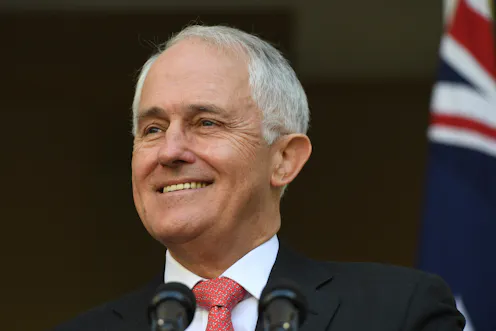
After an ugly and unnecessary postal survey, Malcolm Turnbull has had a win – but the conservatives in his government will still be pitching for a fight.

In the marriage equality debate, those who once fought against protections for religious freedom are suddenly all for it.
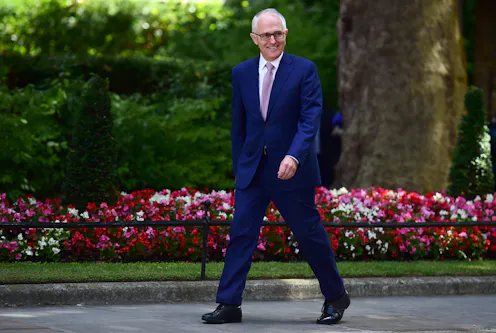
Malcolm Turnbull’s claim that Robert Menzies’ party was meant to be one of the ‘sensible centre’ has some validity – but it may also be that that centre has shifted significantly, too.
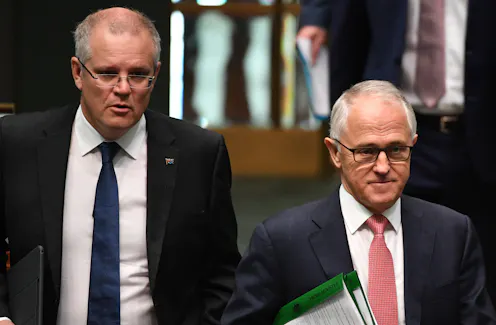
The Turnbull government is desperately trying to develop a more convincing economic narrative around good economic management, nation-building and fairness.
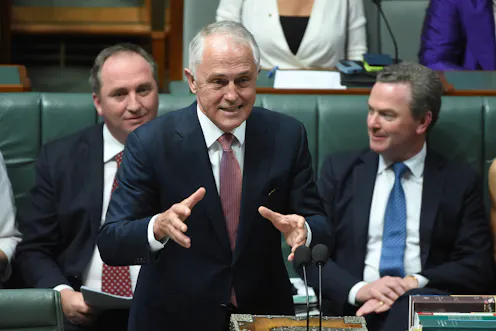
Malcolm Turnbull’s government has had a rocky year, almost losing an election and incurring a number of self-inflicted wounds. They will be hoping for better in 2017.
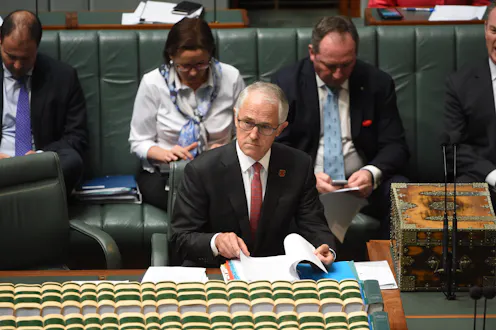
The pressure on Prime Minister Malcolm Turnbull to bend to the conservative right factions of the Liberal and National parties has been compounded by the election of Donald Trump.
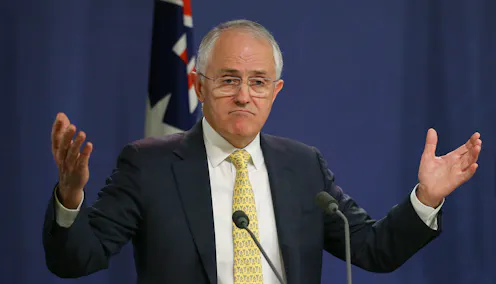
Even if he survives as prime minister, Malcolm Turnbull will govern in extremely difficult circumstances, and his leadership is under threat.
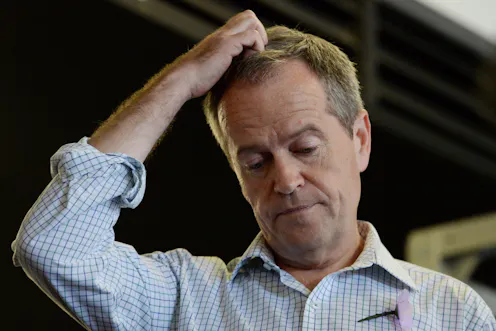
History suggests Labor should be more concerned than it currently appears to be about the effects of its populist rhetoric in mobilising opposition from business.
Contact Carol for
- General
- Media request
- Speaking request
- Consulting / Advising
- Research collaboration
- Research supervision
- Location: Adelaide, Australia
- Website
- Article Feed
- ORCID
- Joined
