
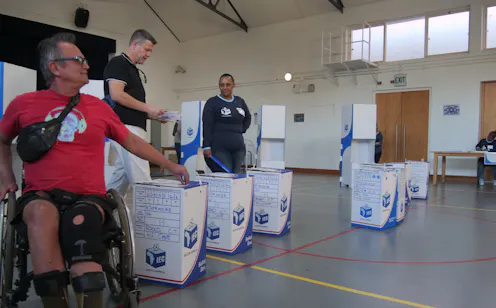
Racial identities continue to shape voter behaviour in post-apartheid South Africa.
- Senior lecturer, University of Edinburgh
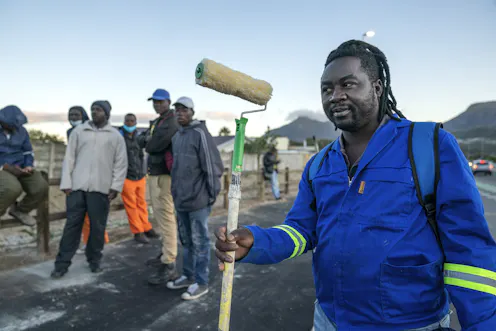
Many formal sector jobs are increasingly precarious and poorly paid, meaning that formal work is not an avenue to greater social equality for many people.

Income plays a large role in shaping the structural barriers people face in accessing vaccination.
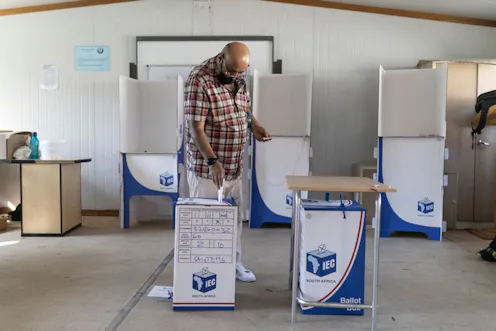
The South African electorate is becoming less tied to race and identity-based voting but are increasingly making a wider evaluation of the performance of political incumbents.

Compliance with occupational health and safety requirements is already poor and few inspections of workplaces are being done.
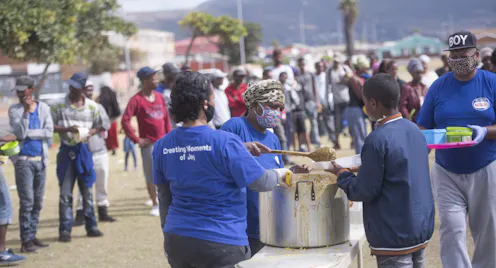
One of the key economic mitigating measures put in place after the country’s COVID-19 lockdown has had very little uptake by employers and will leave miillions of workers without any cover.
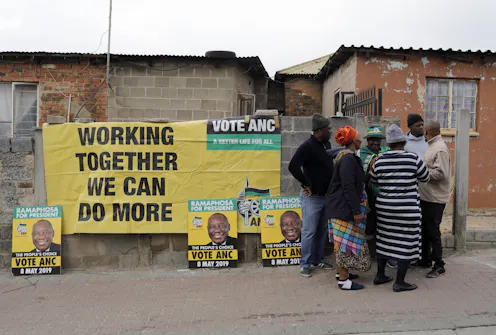
The survey findings show that people who had taken part in protests over the last five years were more likely to vote for opposition parties.
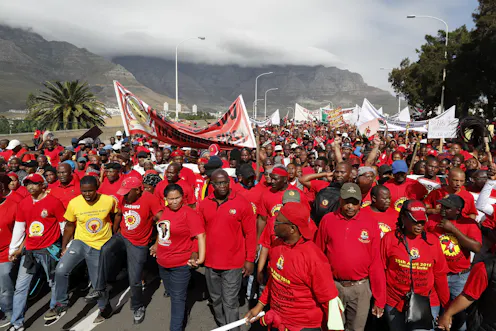
Proposed changes to South African labour laws threaten to set back workers rights.
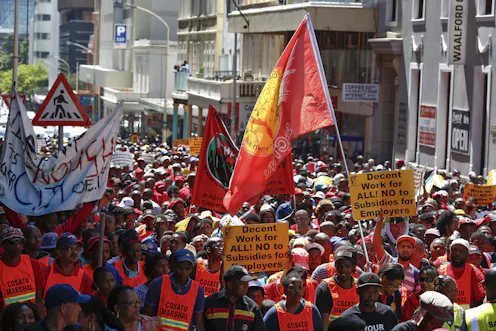
Data reveals that South Africa’s strike action is lower than many other countries, and not as prolonged as politicians claim.
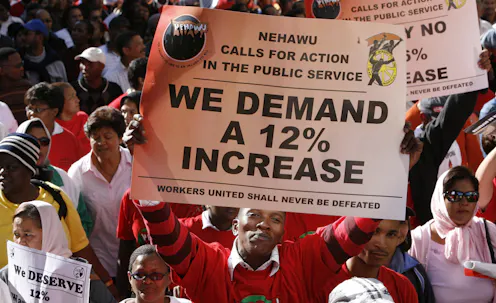
Proposed changes to South Africa’s labour laws would make it almost impossible to strike and render the planned national minimum wage unenforceable.
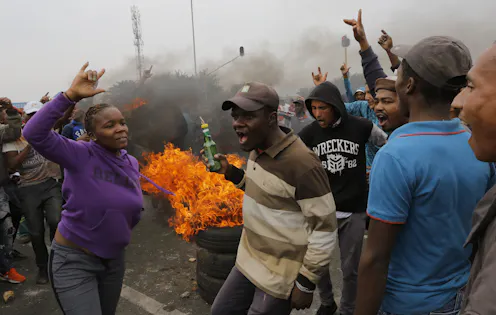
Protests in South Africa are about more than just service delivery of basic services such as water and electricity. They reflect a wider crisis about the failure to build a more equitable society.
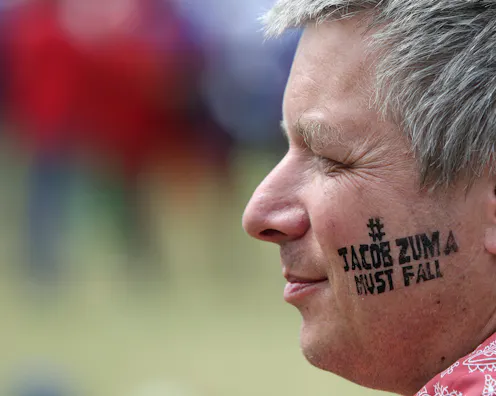
Protests in South Africa have largely been confined to black working class townships and informal settlements. Is this beginning to change?
Contact Carin for
- General
- Media request
- Speaking request
- Consulting / Advising
- Research collaboration
- Research supervision
- Location: Edinburgh
- Website
- X (formerly Twitter): @CarinRunciman
- Article Feed
- ORCID
- Joined
