

Education systems across southern Africa must better prepare for a hotter future.
- Chief Specialist Scientist (Public Health), South African Medical Research Council
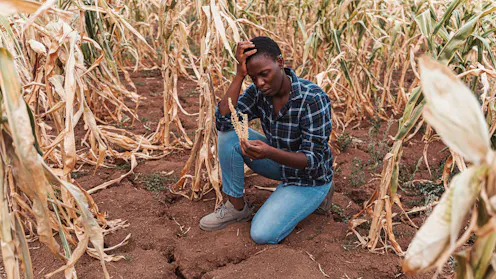
Extreme heat is a huge threat to health, work and food security across southern Africa.

People with deeply-pigmented skin can also get skin cancer. But there is no evidence to suggest that this occurs because of sunburn or exposure to the sun.

Too much ultraviolet radiation is dangerous for human health. Excessive exposure can cause skin ageing and sunburn and can induce melanoma, cataracts, ocular melanoma, and immunodeficiency.

South Africa’s environmental health workers play a vital role in helping communities respond to climate change.
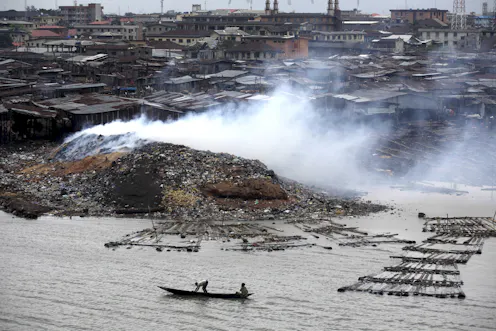
Africa has largely been ignored when it comes to official global air quality programmes. Yet low-income countries like many of those in Africa are particularly affected by air pollution.
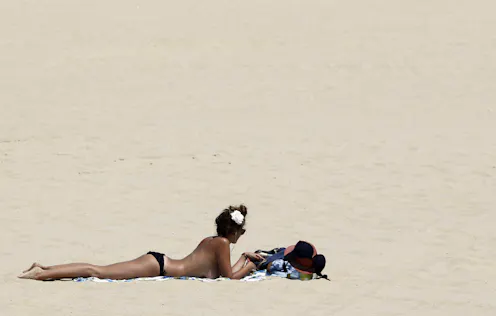
Skin cancer – which is preventable – costs the South African health system more than is necessary.
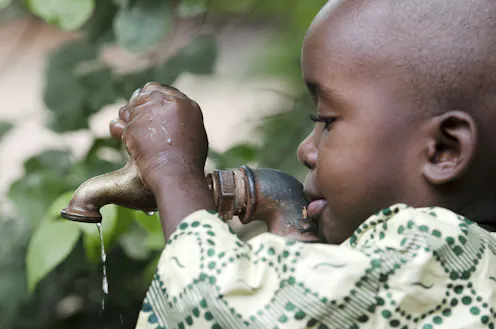
The way data is currently collected has limited use for environmental health researchers when it comes to understanding health problems at a localised level.
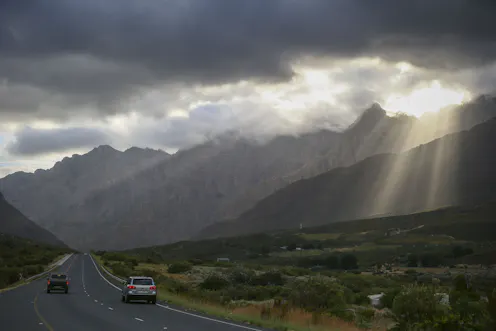
South Africa has been experiencing odd weather patterns during the month of November. It can be attributed to three culprits.
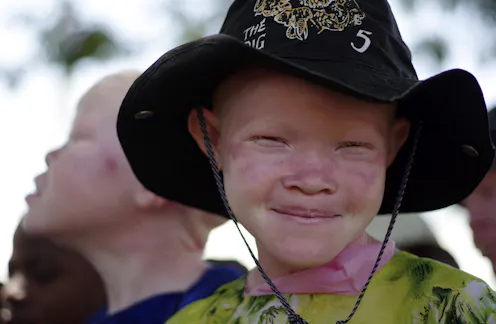
One in every 1000 people in Africa are born with albinism. Apart from facing social stigma, they also face health risks. Countries on the continent should have policies to aid this vulnerable group.
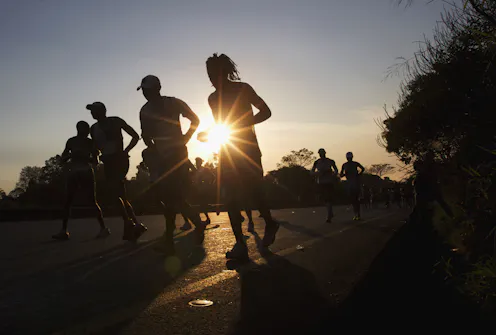
Runners have a greater risk of developing skin cancer because they are more likely have sun damage on their skin as a result of chronic sun exposure.
A real-time hand-held device can help employers measure the impact of the sun on workers.
Contact Caradee for
- General
- Media request
- Speaking request
- Consulting / Advising
- Research collaboration
- Research supervision
- Location: Pretoria, South Africa
- X (formerly Twitter): @caradeeyael
- Article Feed
- ORCID
- Joined
