
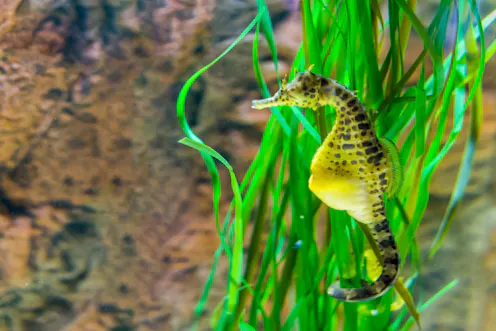
Seahorse fathers use different muscles and hormones to give birth than female animals.
- Senior Lecturer, Evolutionary Biology, University of Sydney
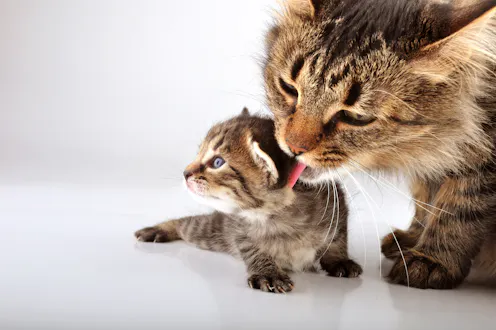
Live birth has evolved independently more than 150 times. The underlying biophysical processes all look quite similar, but new research shows they use completely different genetic tools.
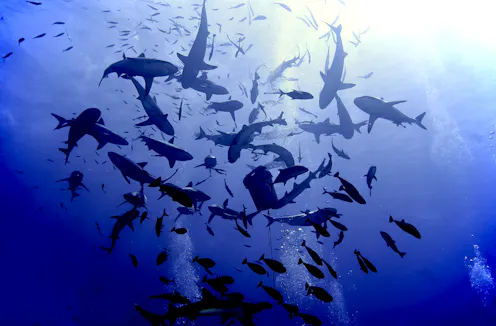
Sharks exhibit astonishing diversity, and this extends to how they reproduce. Experts still don’t know why some species have placentas and others don’t.
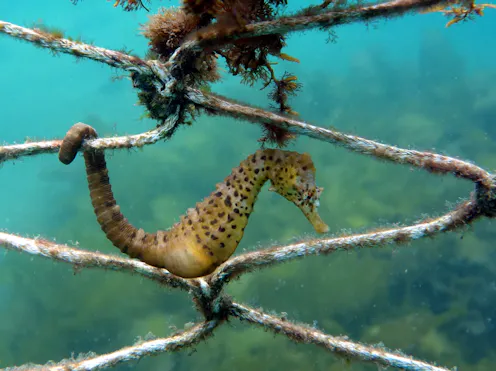
We examined male seahorse pouches under the microscope at different stages of pregnancy, and found they develop complex placental structures over time — in similar ways to human pregnancy.
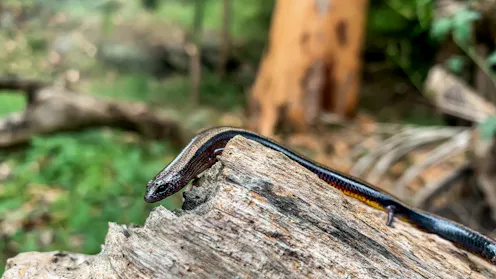
The three-toed skink can give birth to live young and lay eggs in the same pregnancy. What can this little critter teach us about the evolution of live birth?
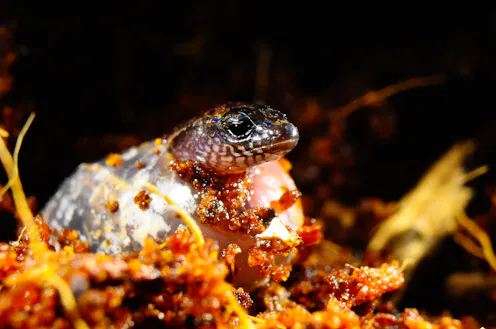
The evolution of live birth from egg-laying is no mean feat. Now new research reports on the first known example where both eggs and a live birth come from the same lizard pregnancy.
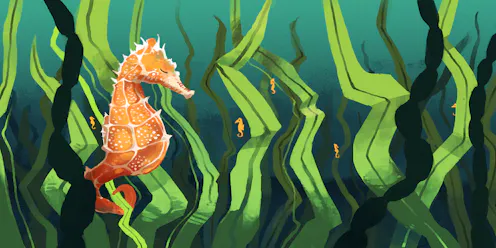
The seahorse dads carry the babies in a pouch.

It’s long been known that it’s the male seahorse that gives birth to the young. But what role the father plays in the gestation is only now being revealed.
Contact Camilla for
- General
- Media request
- Speaking request
- Consulting / Advising
- Research collaboration
- Research supervision
- Location: Sydney, Australia
- Website
- X (formerly Twitter): @Camilla_Whitt
- Article Feed
- Joined
