
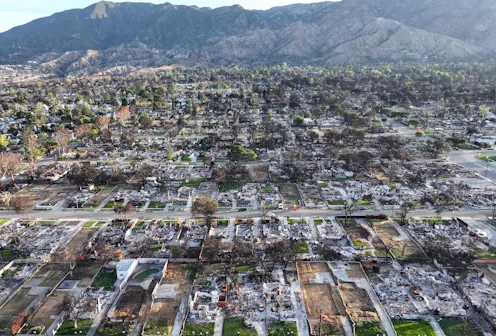
Discrimination has made it harder for Black people in the Los Angeles area to buy and keep their homes. Did it also make them more fire-prone when Altadena burned?
- Professor of History, Arizona State University
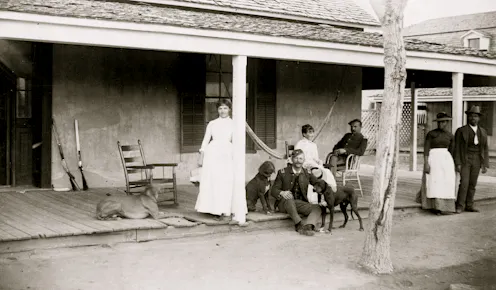
Abortions happened in Arizona, despite a near-complete abortion ban enacted in 1864. But people also faced penalties for them, including a female doctor who went to prison.

From immigration and federal spending to Ukraine and the state of American schools, eight GOP presidential candidates had a lot to say.
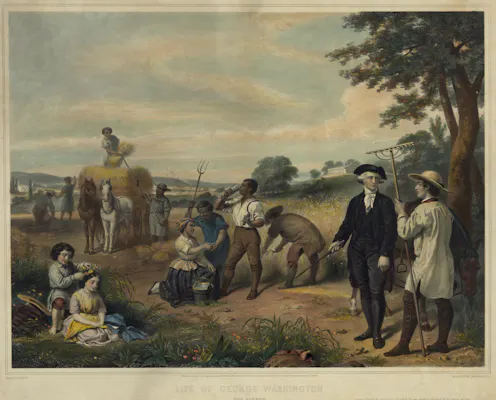
Florida’s new standards for teaching social studies include throwbacks to an interpretation of slavery as benign or inconsequential.

History shows that political contests over the ideological slant of the court are nothing new.
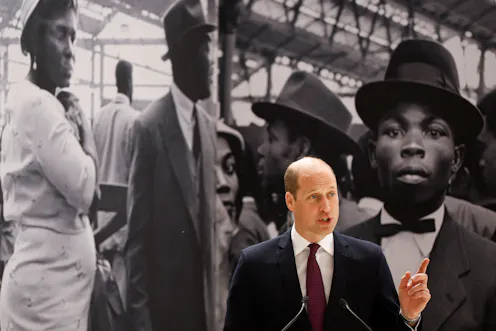
The legacy of racism in both the United States and the United Kingdom has impacted the ability of Blacks and other ethnic groups to accumulate wealth.
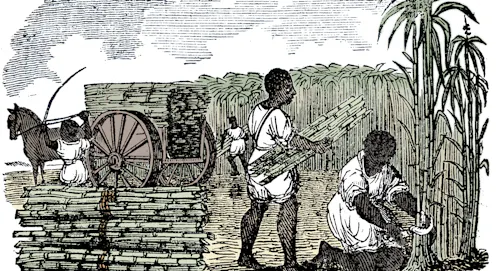
Before the Civil War, US activists sought to combat slavery through sugar boycotts. Instead, consumption grew.

Are reparations for slavery enough for colleges to make amends? A scholar argues that access and student loan debt must also be addressed.
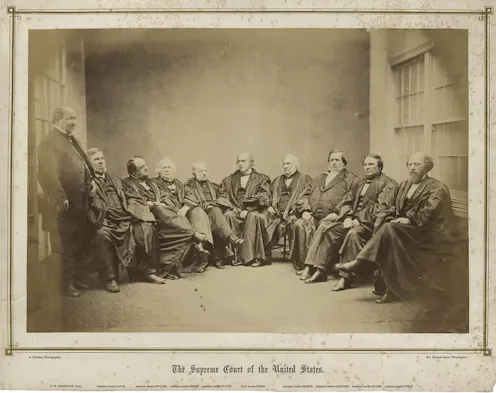
In the 1860’s, the Supreme Court was a ‘partisan creature’ and President Lincoln and the Republican Party remade it so that it reflected the party’s priorities.
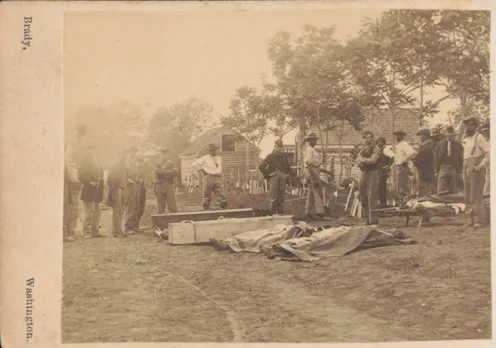
Lincoln’s chances of reelection in 1864 were dim. He was presiding over a bloody civil war, and the public was losing confidence in him. But he steadfastly rejected pleas to postpone the election.
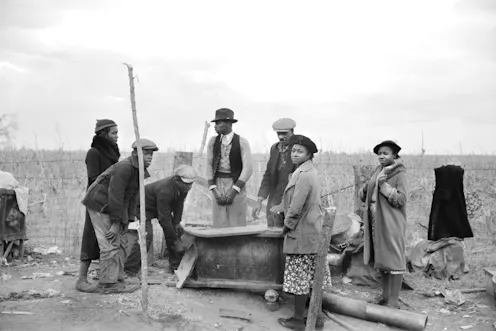
In many national crises, black Americans have been essential workers – but serving in crucial roles has not resulted in economic equality.
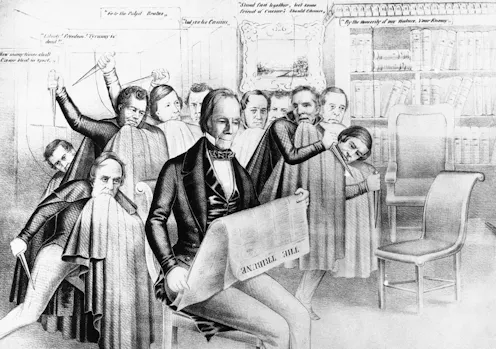
Some Democrats are fearing chaos at the convention if no candidate meets the nomination threshold. History suggests they are right to be concerned.

Contentious or politically driven Supreme Court nominations are not new. But US history shows that many of those contested nominees who were confirmed would go on to author controversial opinions.
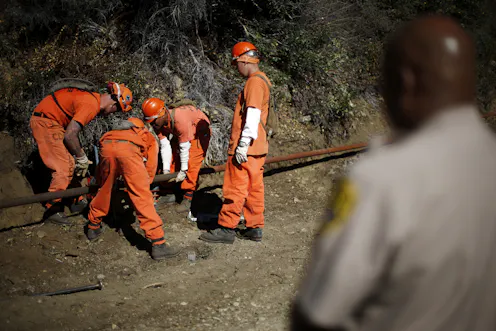
Enslaved workers used to grow cotton and mill flour. Now prisoners grind beef and crate eggs. Here, a historian explores Americans’ troubling habit of consuming the products of slave labor.
Contact Calvin for
- General
- Media request
- Speaking request
- Consulting / Advising
- Research collaboration
- Research supervision
- Location: Tempe, Arizona, U.S.
- Website
- X (formerly Twitter): @CalScherm
- Article Feed
- ORCID
-
- Joined
