
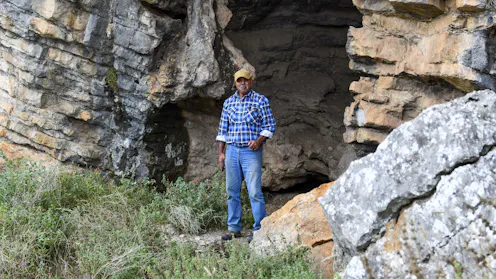
A new study shows the cave was only used for very special purposes.
- Professor, Australian Research Council Industry Laureate, Monash University
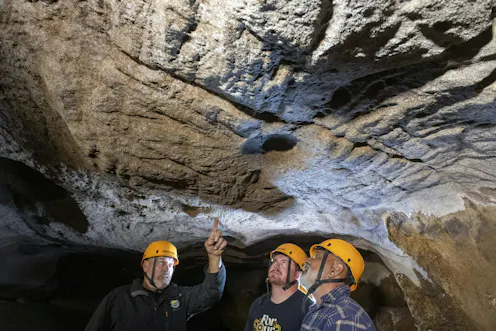
Thousands of years ago, adults and children left their marks on soft rock surfaces deep in this cave in GunaiKurnai Country.
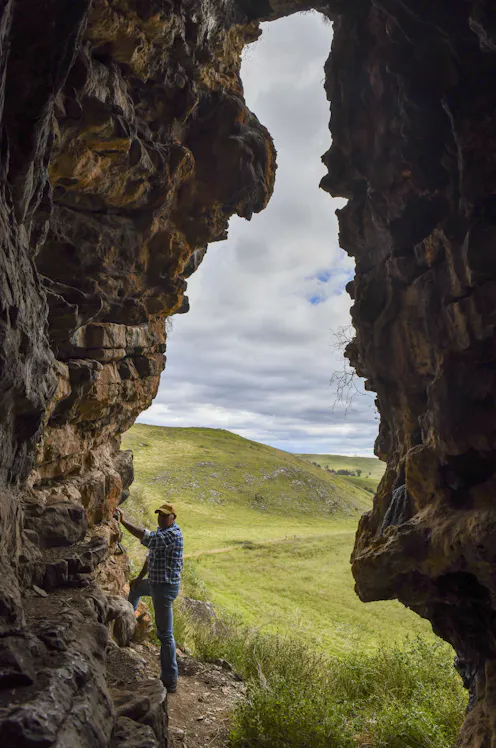
Matching new archological findings with ethnographic records, we can show ritual fireplaces have been in continuous use for at least 12,000 years.

Two starkly different research projects at East Gippsland’s Cloggs Cave, 50 years apart, show the importance of Indigenous perspectives in archaeology.
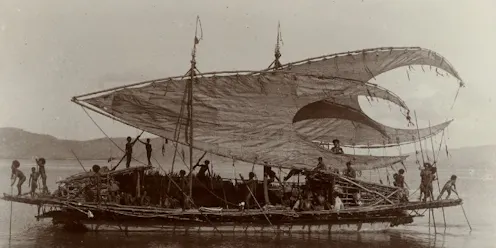
It has often been assumed that Australia was essentially isolated until 1788. But research into the seagoing trade on the south coast of Papua New Guinea suggests otherwise.
Contact Bruno for
- Media request
- Research collaboration
- Location: Melbourne, Australia
- Website
- Article Feed
- ORCID
- Joined
