

Everyone loves a free lunch. But the Australia’s government’s sudden announcement of hours of free power will make rooftop solar much less attractive.
- Professor and Director, Victoria Energy Policy Centre, Victoria University
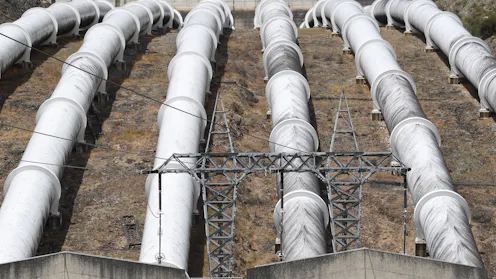
As the cost of Snowy 2.0 rises yet again, defenders claim the scheme can store energy cheaper than batteries. But this doesn’t stack up.
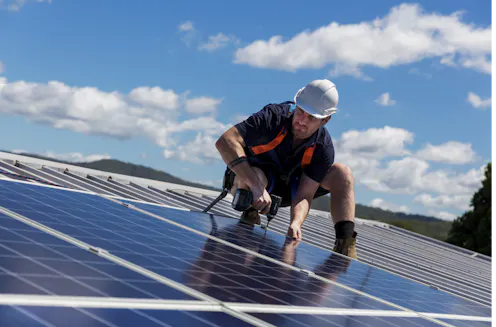
Energy Minister Simeon Brown wants to explore importing gas to prop up electricity generation – but subsidising the expansion of rooftop solar would be quicker, cheaper and more popular.
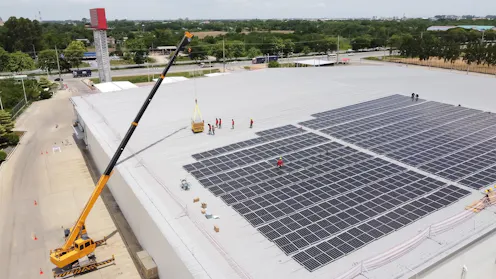
Cities have a large and mostly untapped power source: the rooftops of commercial buildings.
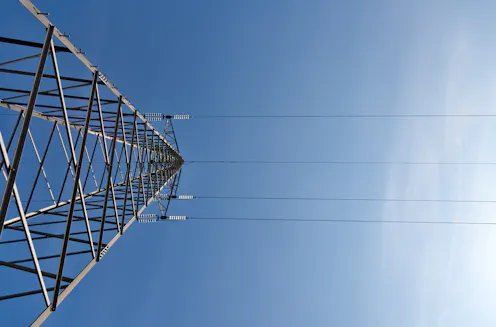
Costing new sources of electricity sounds simple. But it’s enormously complicated – and CSIRO’s GenCost report promises certainty it cannot deliver
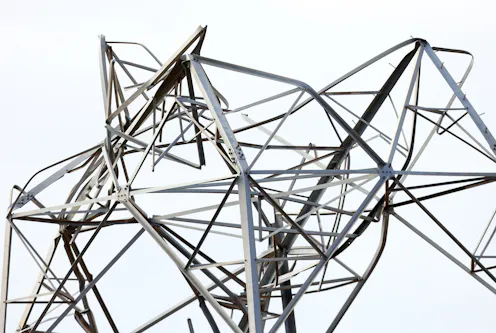
Transmission towers bent like soft plastic when extreme winds whipped through Victoria last week. Fixing it means asking hard questions.
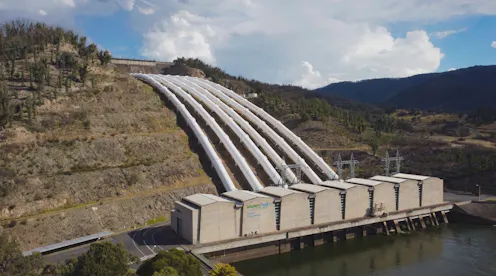
Storing energy in large pumped hydro schemes sounds simple. But engineering and terrain challenges have put Snowy 2.0 well off track – while grid-scale batteries get better and better
While this prominent and well funded project has gone into voluntary administration, those enthused about rapid decarbonisation and Australia’s renewable energy export potential need not despair.
Australia’s governments have agreed to impose caps on the wholesale domestic price of coal and gas. How much it will help is debatable.
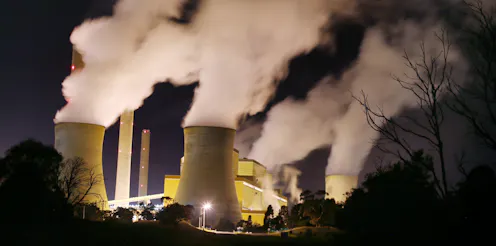
Privatising electricity assets was thought to be good for taxpayers. But it has made the transition to renewables much harder.

The new federal government wants to supercharge state renewable targets. But financial headwinds pose real challenges to the rapid rollout.
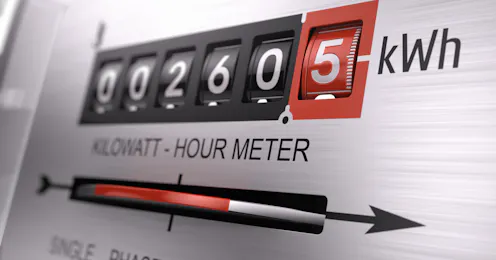
Soaring costs for coal and gas point to serious issues within Australia’s electricity market, with more retail prices likely.

What’s pushing up coal and gas prices is pushing up electricity prices, but some states have better shields than others.
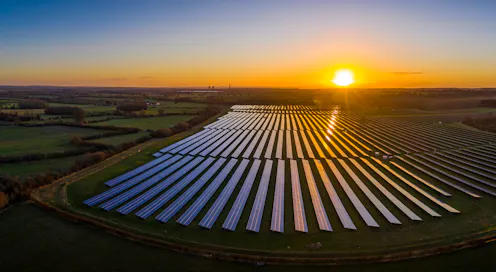
AGL’s board has knocked back a billionaire-led bid to shut its coal generators. Serious negotiations will now begin – and Mike Cannon-Brookes has form on transforming Australian power generation.
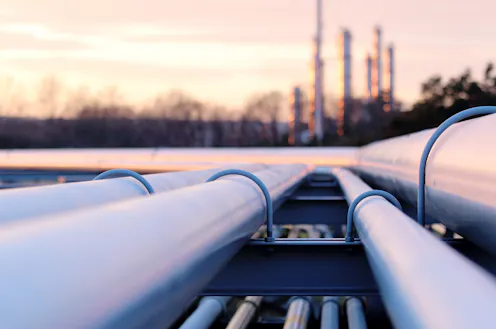
Labor wants to run the Kurri Kurri gas power station on green hydrogen. But the figures don’t stack up.
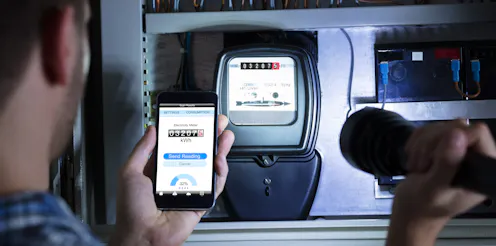
I sifted through 30 power retailers’ offers to save on my home bills. Then I checked - and discovered I’d been switched to a more expensive plan.
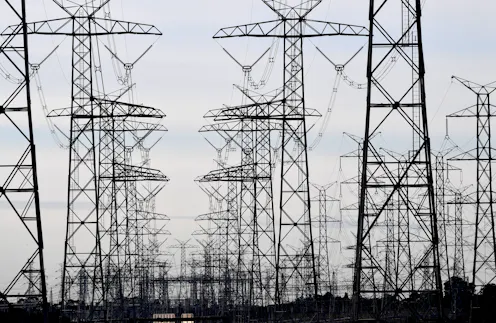
Takeover bids for Australia’s last listed energy network companies suggest these monopolies are charging way more than necessary.

Standard economic theory suggests solar exports shouldn’t be taxed at all.
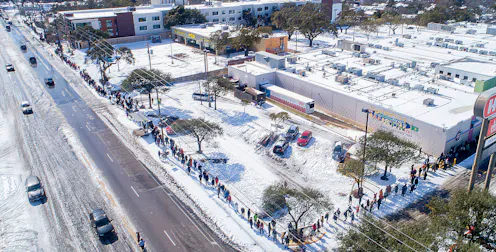
During the Texas cold snap prices jumped 30,000%. We can’t allow it to happen here.
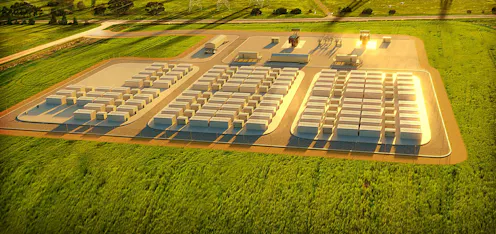
Australia’s biggest states are taking back control of their electricity systems, because the way we make power is changing.
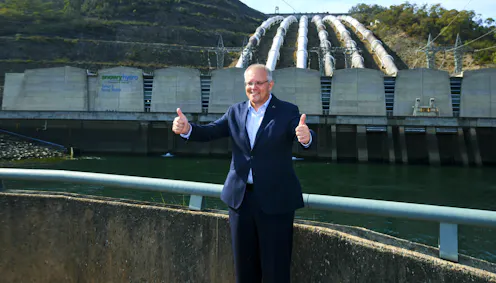
It’s a big-engineering solution that costs twice as much the equivalent amount of batteries.
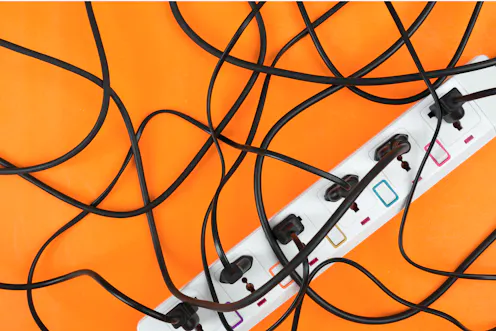
The danger of consumers being given false and misleading information by commercial price comparison websites requires regulation.
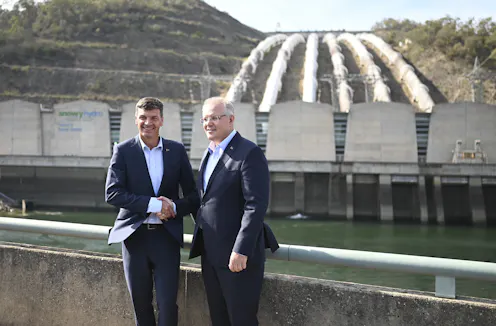
Snowy 2.0 has been a lightning rod for controversy. From cost-blowouts to climate impacts and threats to native fish, experts say there are many reasons why it should be put on hold.

Those endless cups of tea while working from home are unlikely to add much to your electricity bill. But coronavirus poses other problems for the electricity sector.
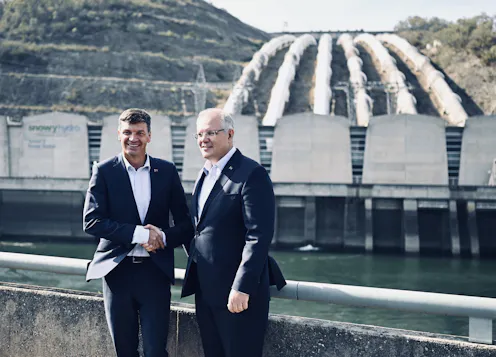
For the next couple of decades, Snowy 2.0 will in fact store coal-fired electricity, not renewable electricity.
Contact Bruce for
- General
- Media request
- Speaking request
- Consulting / Advising
- Research collaboration
- Research supervision
- Location: Melbourne
- Website
- X (formerly Twitter): @VEPC_VU
- Article Feed
- ORCID
- Joined
