

Climate action no longer seems to be a priority for Prime Minister Mark Carney, despite his previous activism. This is bad news for Canadians and the climate.
- Senior Fellow, Centre for Free Expression, Toronto Metropolitan University
- Adjunct Professor, Faculty of Environmental and Urban Change, York University, Canada

Regardless of Donald Trump’s embrace of fossil fuels, the writing is on the wall. It’s not a matter of if the world moves away from them dramatically, but when.

A major issue in the ongoing negotiations is fatigue safety. Over the past decade, working conditions have become increasingly dangerous on Canadian railways.

The domination of regulatory agencies by the very organizations they regulate — instead of the public interest — must be overcome. It requires leadership at all levels of government.

Peu de choses ont changé en matière de sécurité ferroviaire depuis la catastrophe de Lac-Mégantic, dans la campagne québécoise, il y a dix ans.
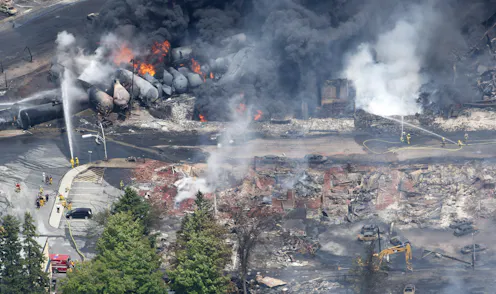
Lac-Mégantic haunts rail transportation in North America. Here’s a look at how little has changed when it comes to rail safety since the disaster in rural Québec10 years ago.

Canadian financial institutions — banks, pension funds and private equity firms — fund the fossil fuel industry and are therefore helping fuel the climate crisis. Why won’t Ottawa hold them to account?

Deux compagnies ferroviaires, le CN et le CP, déterminent les lois, les règles et les règlements – avec la complicité de bureaucrates et de législateurs – de manière à servir leurs propres intérêts.

The recent rail accident in Ohio is raising questions about who should be responsible for the aftermath of derailments. Residents impacted by a 10-year-old rail tragedy in Canada still want answers.

Sen. Rosa Galvez has called for ambitious and coherent government intervention to address the risks financial institutions pose to climate. Here’s why Canadians must rally around her.

The federal government must implement a railway policing law that helps restore public confidence in law enforcement and provides justice to the families of those who die on the job.

Industries have blocked or delayed new regulations and pushed to remove or dilute existing regulations by framing regulations as detrimental to creating jobs and wealth.
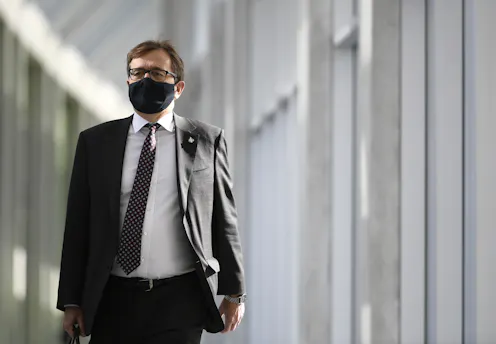
As one of the few countries to have enshrined net-zero into law, Canada has earned praise for its climate leadership. Yet an independent report calls out its continued failures to reduce emissions.
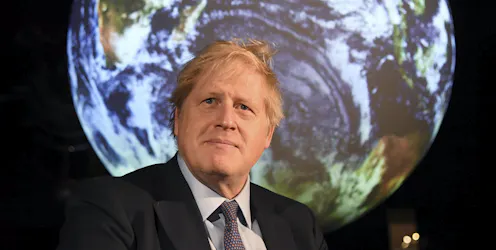
Rich nations need to provide far greater climate adaptation financing to low income countries and plug the holes that siphon their limited fiscal resources to tax havens.

The snail’s pace of action in this year’s federal budget on climate is out of step with the urgency of the climate and income inequality crises.
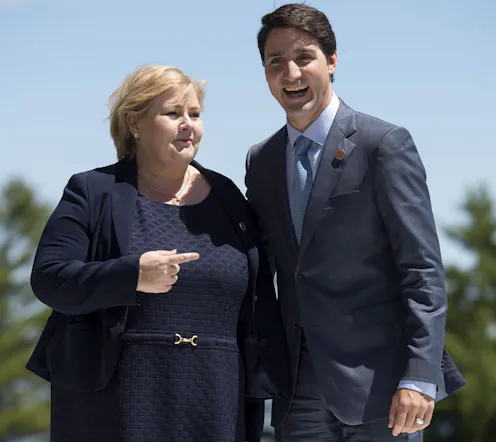
Canada and Norway face epic challenges in weaning themselves from petroleum dependence.

The pace of federal government action to date does not align with the urgency of the twin climate and inequality crises. The latest fiscal update doesn’t go far enough on either crisis.

The speech from the throne is just around the corner. Will the Liberal government make broad and much-needed economic and social change amid the pandemic, or will it give in to the wealthy again?

The extraordinary scope and scale of the COVID-19 disaster at Canada’s long-term care centres would seem to warrant a public inquiry. But there are no guarantees there will actually be one.
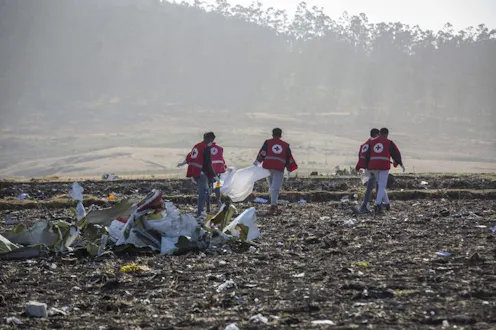
Les tragédies de Boeing et de Lac-Mégantic résultent de la déréglementation. La sécurité a été réduite au point où il ne s’agissait plus de savoir si un accident allait survenir, mais quand.
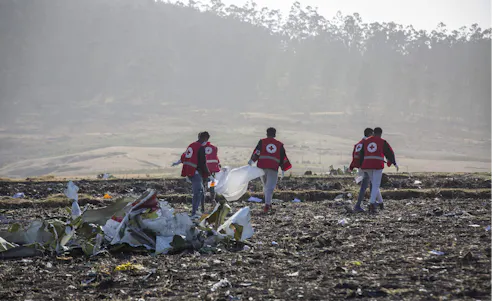
High-profile rail and aerospace disasters of recent years have been the deadly consequence of the systematic erosion of safety precautions due to deregulation.
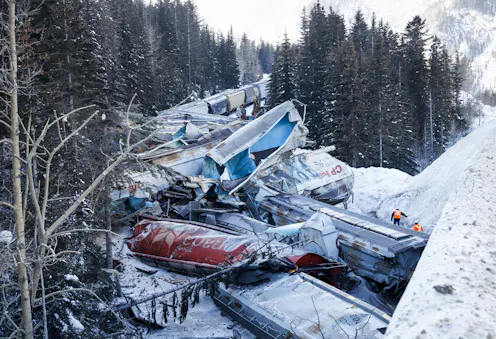
The recent B.C. train derailment raises questions about whether any lessons have been learned from the Lac-Mégantic disaster of 2013.
Contact Bruce for
- General
- Media request
- Speaking request
- Consulting / Advising
- Research collaboration
- Research supervision
- Location: Ottawa, Canada
- Website
- Article Feed
- Joined

