
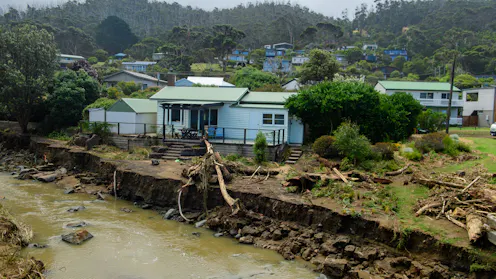
We have for too long persisted with approaches that seek to persuade, instruct, or direct people toward predetermined behaviours. Here’s a better way.
- Associate Professor of Geography, The University of Melbourne

Whether it’s pamphlets aimed at prevention or text alerts, mass communication is often relied on during disasters. This flawed approach can be improved by engaging meaningfully with communities.
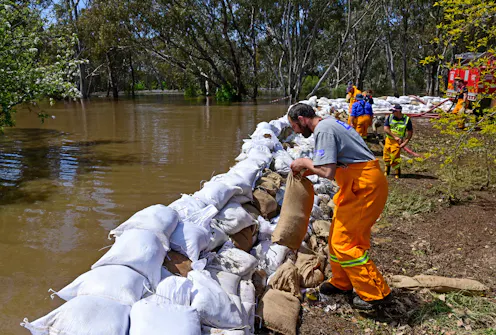
After storms of rain come storms of blame. But the blame game is circular. To stop disasters, we must prepare for disasters.
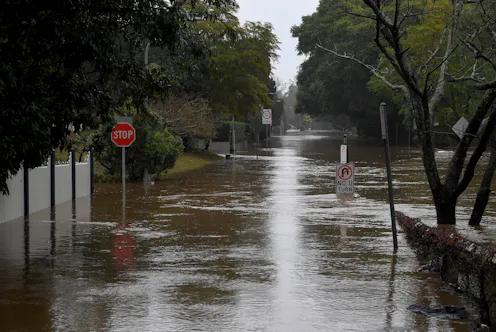
People feel more secure knowing there’s a levee nearby - but this can backfire, leading to more development on floodplains. Australia needs to tackle the incentives behind these risky developments.
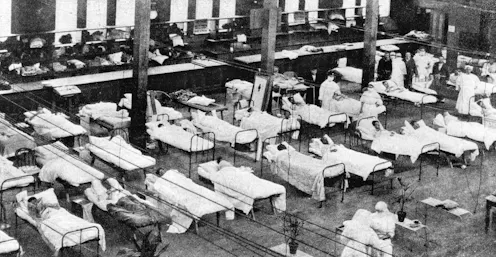
COVID-19 presents a social as well as a medical crisis, and we will need many different kinds of expertise to survive it

Why toilet paper? Concerns about control and hygiene are the likely reason, according to experts
Contact Brian for
- General
- Media request
- Speaking request
- Consulting / Advising
- Research collaboration
- Research supervision
- Website
- Article Feed
- ORCID
- Joined
