
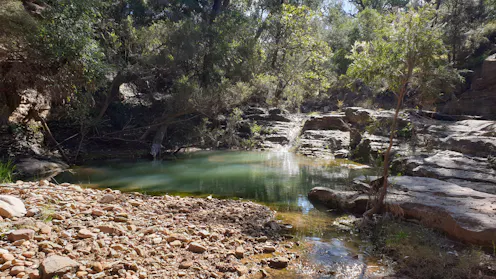
For too long, Indigenous perspectives have not been heard in groundwater science. We must work together to protect Australia’s precious groundwater.
- Professor of Science, University of Technology Sydney
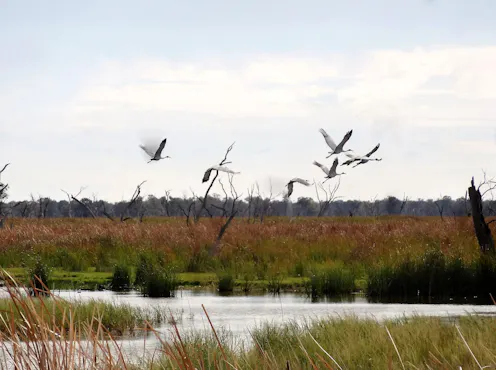
For the Kamilaroi of north-western New South Wales, the brolga and bittern are vital to culture. But conservation often doesn’t account for cultural knowledge or significance.
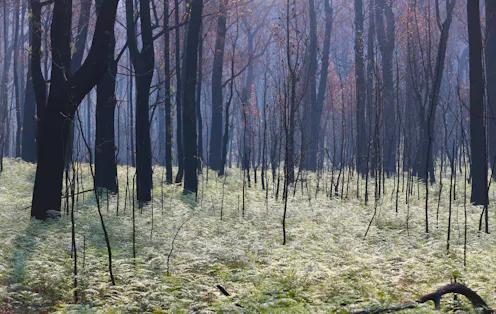
A new report challenges the notion that repairing our continent is a task too big and expensive to tackle.
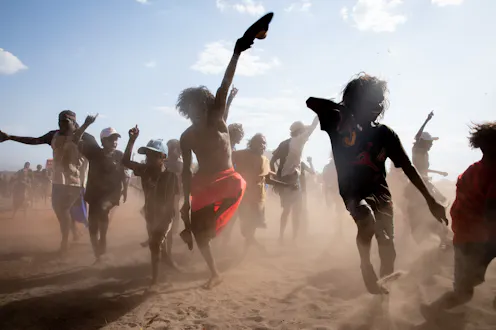
When it comes to climate change in Australia, the fires of Knowledge are burning bright. This NAIDOC Week, it’s time Indigenous Knowledges are heard.
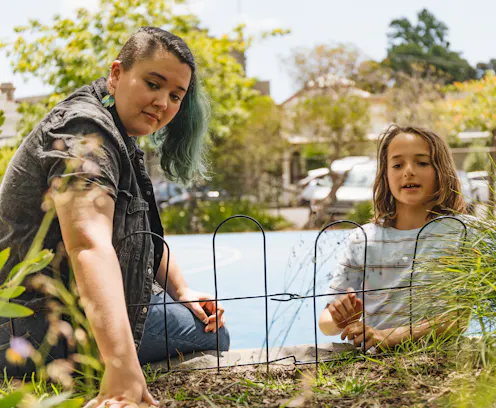
The 10-week pilot program Totemic Species in Schools shows how Indigenous science can be woven into the existing curriculum. Students, teachers and parents provided positive feedback.

A new report finds tap water in more than 500 remote Indigenous communities isn’t regularly tested. But here’s why this isn’t news to us.

The latest IPCC Report lacked Aboriginal and Torres Strait Islander lead authors. This is a severe limitation to understanding and responding to climate change in this country.
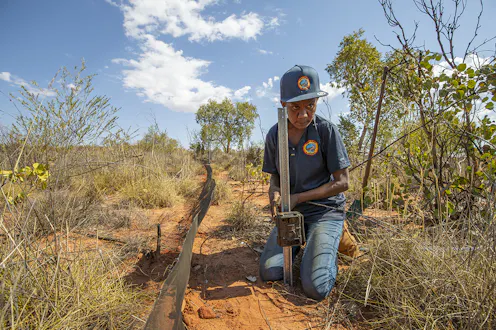
Rather than sitting in the back seat, Indigenous Australians must be up front in managing the recovery of Australia’s unique and precious environment.

In the event, the federal election turned out to be more about the economy than the environment. But there are steps the Coalition government can take to help conservation and boost the economy too.
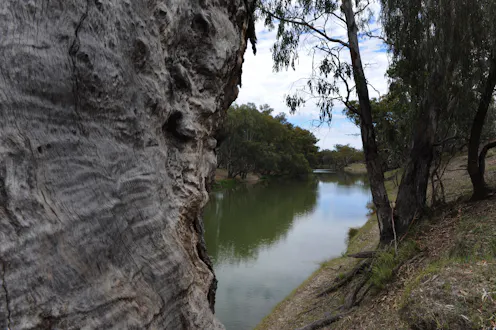
Neither of the two federal investigations into fish deaths in the Darling River include any Indigenous representation.
Contact Bradley for
- General
- Media request
- Speaking request
- Consulting / Advising
- Research collaboration
- Location: Canberra, Australia
- Website
- X (formerly Twitter): @bradmoggo
- Article Feed
- ORCID
- Joined
