
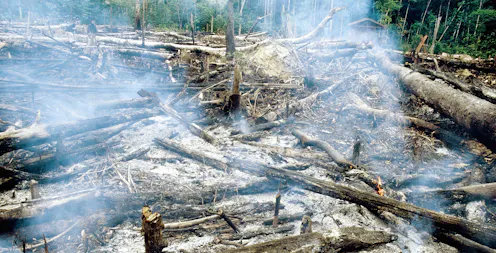
Big new investors such as the Asian Infrastructure Development Bank are key players in a worldwide infrastructure, and that could be bad news for the environment.
- Distinguished Research Professor and Australian Laureate, James Cook University
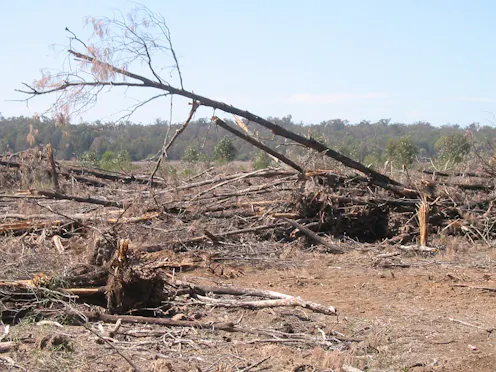
Land clearing in Queensland has tripled in the past five years.
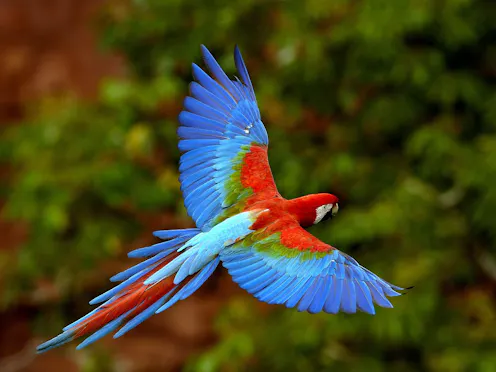
New data have revealed a disturbing trend in forest loss: the hearts of the world’s forests are disappearing. To stop them bleeding out, we’ll have to say ‘no’ to some developments.
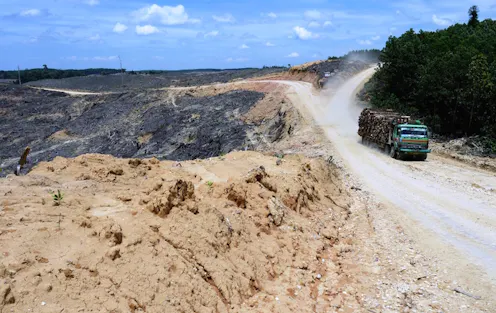
De la sécheresse alimentée par El Niño au ralentissement des économies brésiliennes et chinoises, que réservent les mois qui viennent pour les zones forestières ?
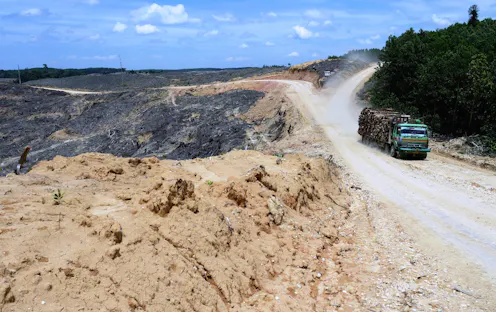
From drought to economic slowdown, 2016 promises a mixed bag for the world’s forests.
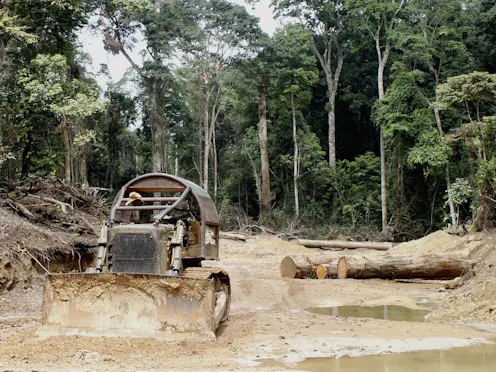
More than thirty gigantic infrastructure projects threaten Africa’s environment without offering economic benefits.
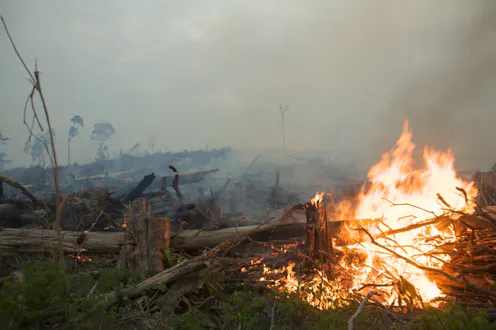
While Indonesia has taken steps to address the worst forest fires in living memory, a new palm oil alliance with Malaysia threatens to take a giant leap back.

A huge El Niño on the horizon bodes ill for drought and forest fire.
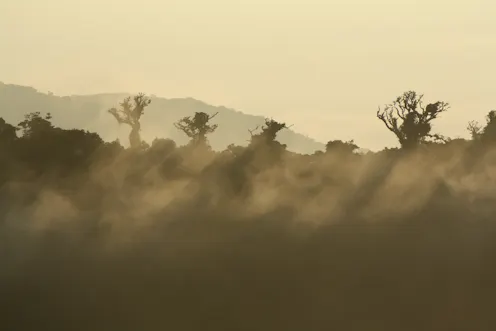
There are more than three trillion trees worldwide, but that’s only half as many were around at the start of human civilisation according to new research.
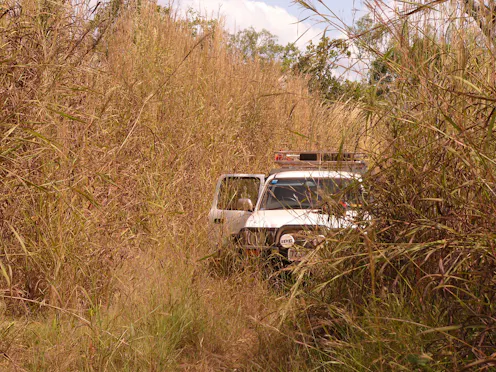
One of the Australian government’s new research priorities is “environmental change”. But can be hard to know how to tackle such huge and interlinked issues as climate change and species extinctions.
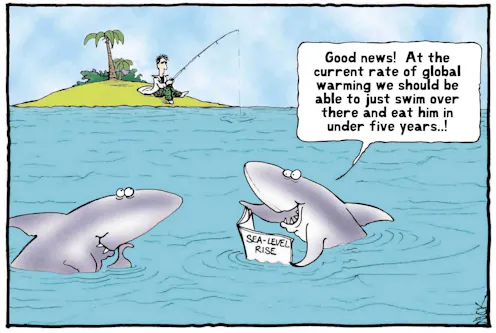
What we think we know, don’t know and things that might surprise us about climate change and the environment.
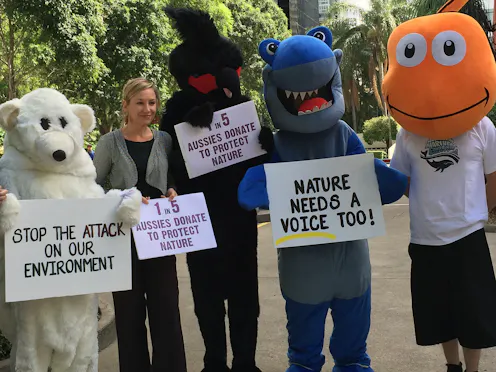
From the perspective of conservation scientists, the government’s inquiry into the tax-deductible status of environmental groups is a bad idea wrapped in naïveté.

If we want scientists to spent time sharing their discoveries with the general public, then we need to change research metrics to reward them for their efforts.
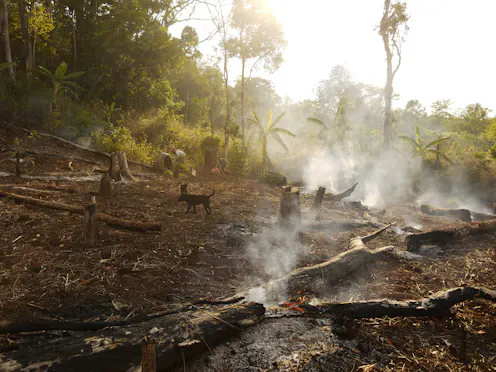
A new WWF report highlights Australia as a hotspot for future deforestation. Australia talks the talk on deforestation, but will it walk the walk?

Land clearing in Queensland has tripled since 2010 after wind backs to regulations.
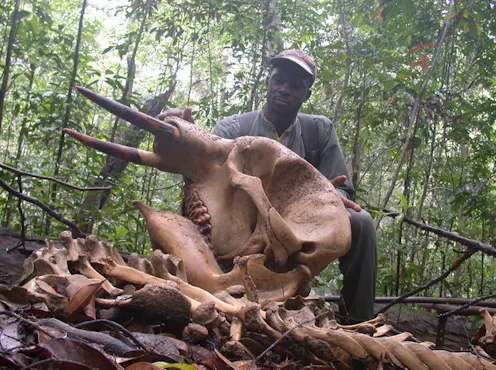
The G20 has pledged to spend more than US$60 trillion on new infrastructure in the next 15 years, much of which will affect pristine areas. Without a solid plan, the environmental toll could be huge.
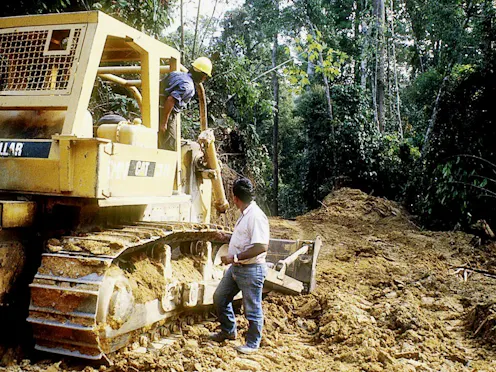
At the Asia-Pacific Rainforest Summit, which concluded yesterday in Sydney, environment minister Greg Hunt announced A$6 million to combat illegal logging. While the funding builds on legislation to ensure…
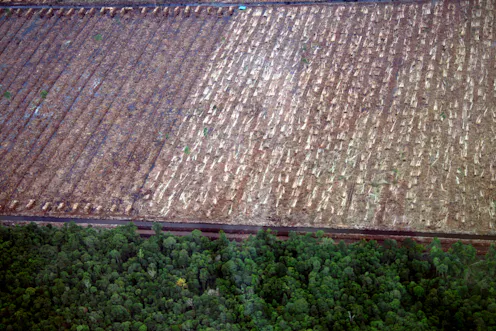
How do the products we buy affect the world’s rainforests? In the lead up to the Asia-Pacific Rainforest Summit held in Sydney this week, The Conversation is running a series on rainforest commodities…
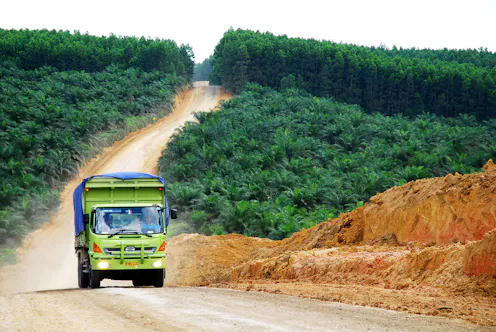
Palm oil plantations have an overall negative impact on biodiversity, according to research released this week. The study, published in Nature Communications, found palm oil plantations are home to fewer…
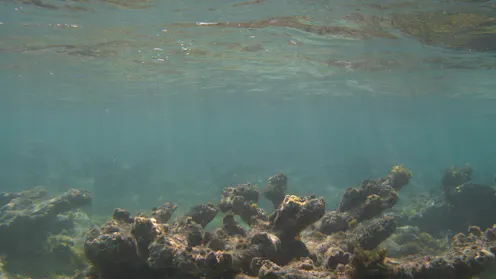
Scientists are coming to the conclusion that we are on the brink of a mass extinction — the sixth known in the history of the Earth, and the latest since an asteroid killed off the dinosaurs 65 million…
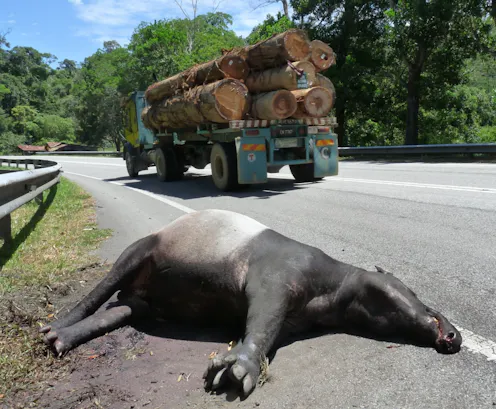
“The best thing you could do for the Amazon is to blow up all the roads.” These might sound like the words of an eco-terrorist, but it’s actually a direct quote from Professor Eneas Salati, a forest climatologist…
In October 2000, I was driving through downtown Boise, Idaho, and nearly careered off the road. Just in front of me was a giant inflatable Godzilla-like dinosaur, well over 30m tall. It was towering over…
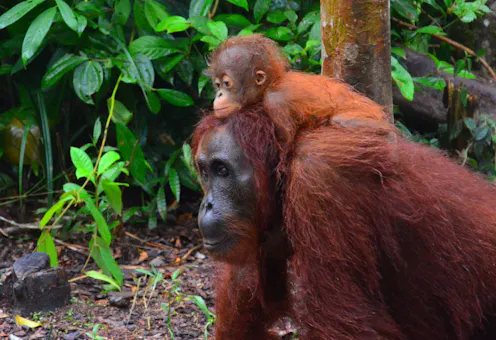
Indonesia is the world’s biggest destroyer of forests and four multinational corporations — APP, APRIL, Wilmar and Golden Agri Resources — have been responsible for much of it. Until recently these mega-corporations…

Picture a tropical rainforest, with thousands of species per hectare, and it’s quite easy to believe that up to three quarters of all plant and animal species are found in the tropics. But what makes the…
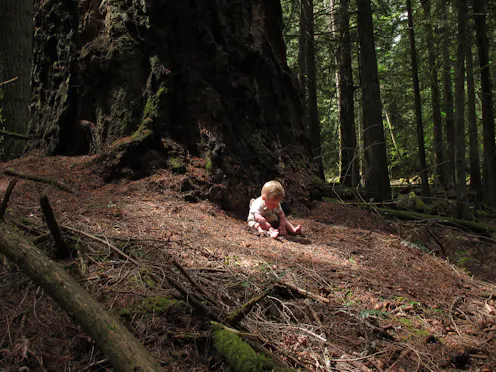
Large, older trees have been found to grow faster and absorb carbon dioxide more rapidly than younger, smaller trees, despite the previous view that trees’ growth slowed as they developed. Research published…
Contact Bill for
- General
- Media request
- Speaking request
- Consulting / Advising
- Research collaboration
- Research supervision
- Website
- Article Feed
- ORCID
- Joined
