
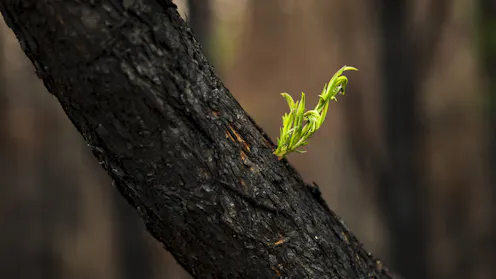
Global warming is set to surpass the 1.5°C limit if governments worldwide fail to act.
- Adjunct Professor of Energy, Murdoch University
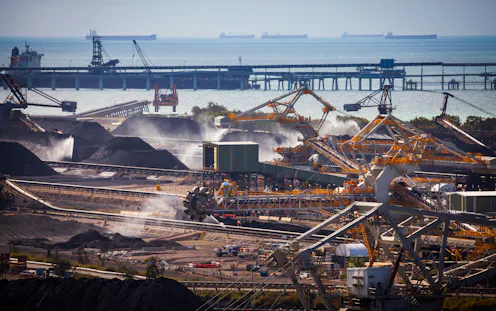
A new report reveals Australia’s fossil fuel exports threaten the Paris Agreement to limit global warming to 1.5°C
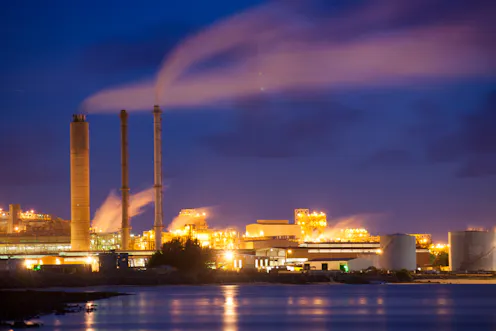
Labor came to power promising real change on climate. But their reliance on accounting tricks, carbon sinks, offsets and a future for gas has cast a very large cloud.
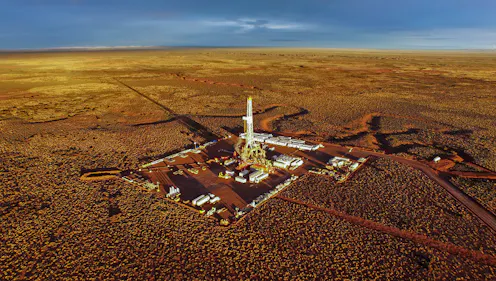
In May, the Northern Territory government greenlit the mammoth Beetaloo Basin fracking project. But they did so based on a report with optimistic projections on offsets and emissions.
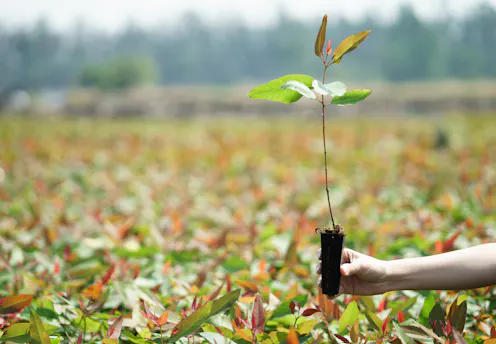
Offsetting carbon emissions sounds great. In practice, it’s often used to maintain the high-emissions status quo.
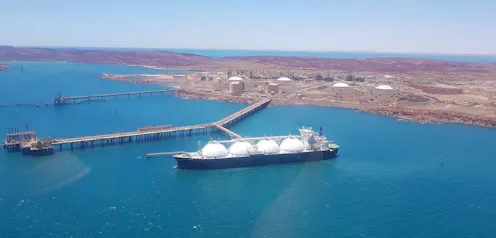
We calculate that this project will add about 41 megatonnes per year to Australia’s national emissions from around 2030.
The Coalition’s climate policy is consistent with a very dangerous 3°C of global warming. But one party is comfortably consistent with keeping warming at safe levels.
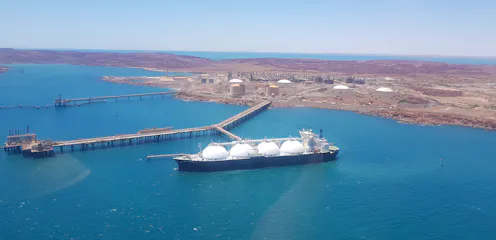
The sheer scale of emissions from the expansion, and projects linked, to it will make achieving 2030 emission targets much harder for Western Australia and by extension, Australia and the world.
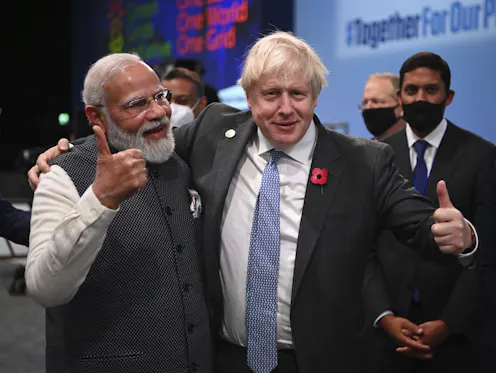
Rather than slow the decline in coal use, India’s actions at COP26 ensure it and other polluting nations, including Australia, will be under even greater scrutiny.

A new analysis shows almost all emissions reductions will be the result of state government policies, and will have virtually nothing to do with the federal government.
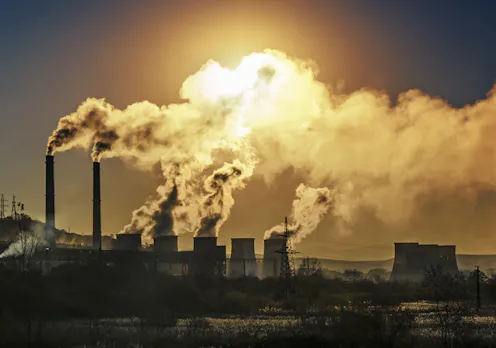
Humanity can still limit global warming to 1.5°C this century. But political action will determine whether it actually does. Conflating the two questions amounts to dangerous, misplaced punditry.
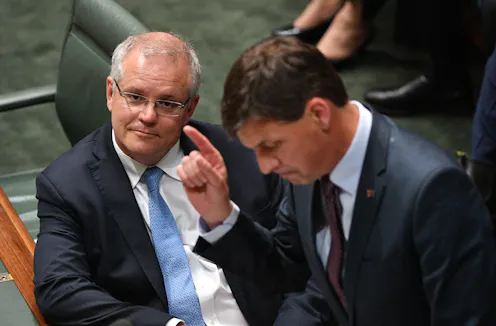
Every few years, the idea of using gas to transition to a zero-emissions economy seems to re-emerge. Woodside’s Burrup Hub proposal shows why it’s still a bad move.
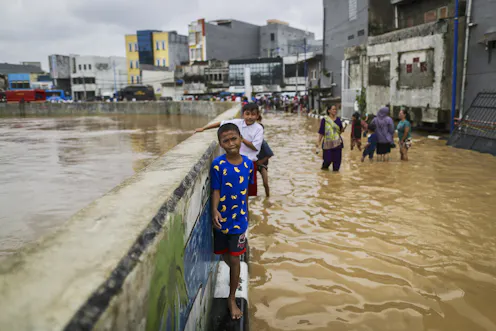
New research confirms that what the world pumps into the atmosphere today has grave long-term consequences. Governments - especially Australia’s - must urgently ramp up efforts to reduce emissions.
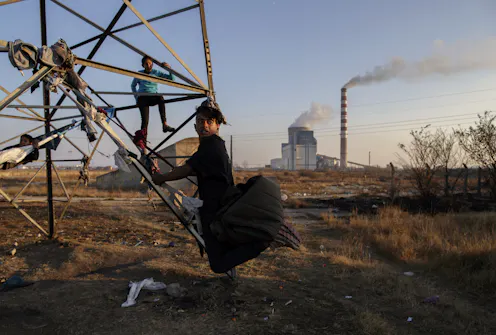
Ahead of the UN climate summit, we take stock of the world’s best and worst performers on climate action - including some surprise success stories.

Au-delà des conséquences humaines et sanitaires, les vagues de chaleur ont un effet néfaste très important sur l’activité économique.

Like president George W. Bush before him, Donald Trump made the announcement from the White House Rose Garden, showing that Republican governments have failed to learn past lessons.

Phasing out greenhouse gas emissions entirely by mid-century is possible, and promising trends are emerging. But the next five to ten years will be the real test of whether we can make that happen.
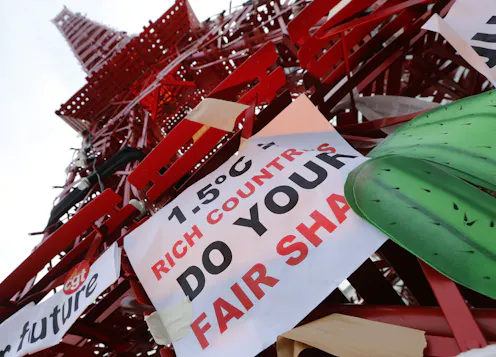
Experts agree that a new era for climate policy here. But the hard work starts now.
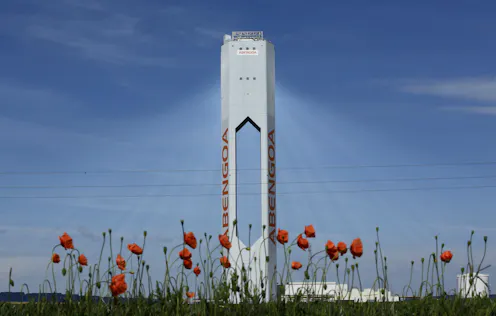
Amid the gloom, here are some hopeful signs that we can meet our climate obligations.

The signing of the Paris agreement is the first step towards making it a reality.
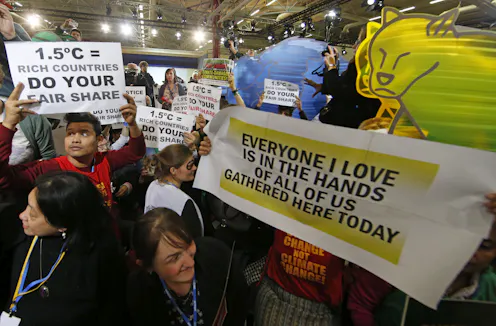
The inclusion of a 1.5°C goal in the Paris climate deal might have surprised some observers. But in reality, the diplomatic groundwork was laid years before.
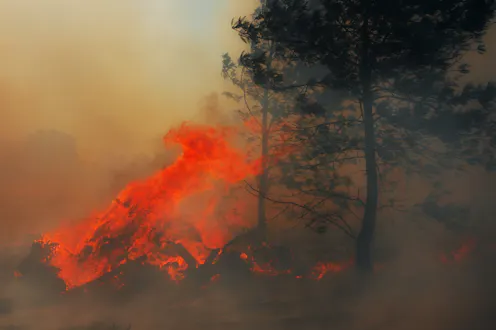
The Abbott Government’s proposed repeal of Australia’s climate legislation will be heard through history. This action is being taken at a time when the rest of the world is moving in the other direction…
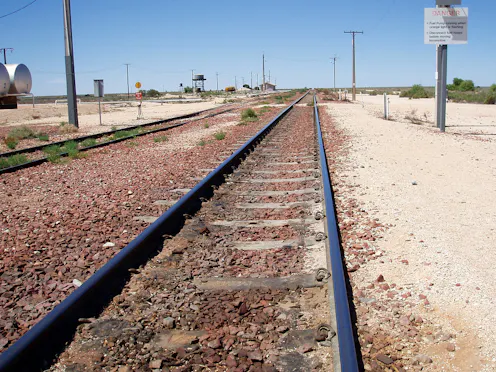
DURBAN CLIMATE CHANGE CONFERENCE: Australia’s new climate legislation is a historic breakthrough reform for the nation. Putting a price on greenhouse gas emissions ranks alongside any of the “big” reforms…
Contact Bill for
- General
- Media request
- Speaking request
- Consulting / Advising
- Research collaboration
- Research supervision
- Location: Perth, Australia and Berlin, Germany
- Website
- X (formerly Twitter): @BillHareClimate
- Article Feed
- Joined
