
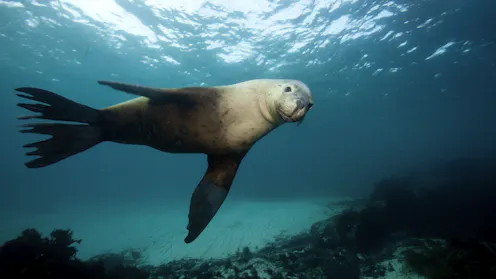
How does a dolphin or seal even get bird flu? Most likely through contact with sick birds – or eating their carcasses.
- Associate Professor of Behavioural Ecology, Curtin University
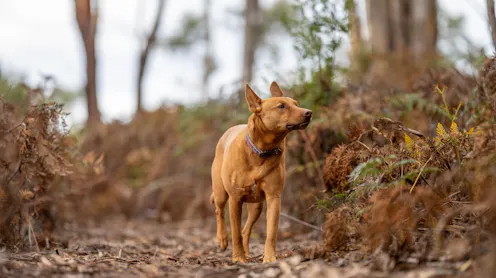
We don’t want to admit it, but our beloved pet dogs do a lot of environmental damage, from killing or terrifying wildlife to emissions from pet food.
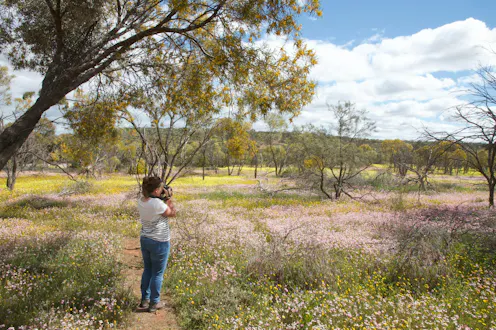
Compartir en redes sociales la foto de un animal raro o de un paisaje virgen parece una acción inofensiva, pero puede suponer una amenaza para la naturaleza al fomentar las visitas masivas a los enclaves y la recolección de ejemplares de especies sensibles.
It feels harmless to share a photo of a rare species. But social media can drive great damage to nature, from poaching to baiting to trampling.
‘Assembly theory’ aims to explain evolution without biology. Is it a dazzling breakthrough or an attempt to answer questions nobody asked?
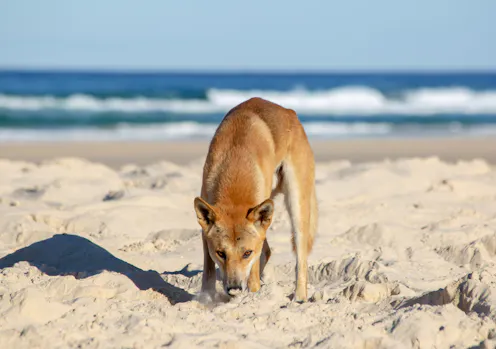
When we co-exist with predators, it’s inevitable to have dangerous encounters, especially when they’re habituated to people.
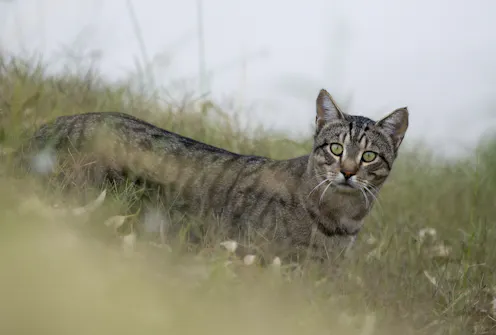
Feral cats double the size of domestic tabbies. Cane toads with longer legs. And dingoes with flexible joints. ‘Selection pressure’ is at work on introduced animals.
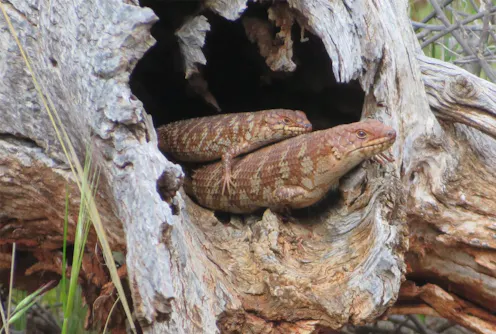
Spiny-tailed skinks, also known as meelyu, are culturally significant to the Badimia people in Western Australia. But habitat degradation and mining have put them at threat of extinction.
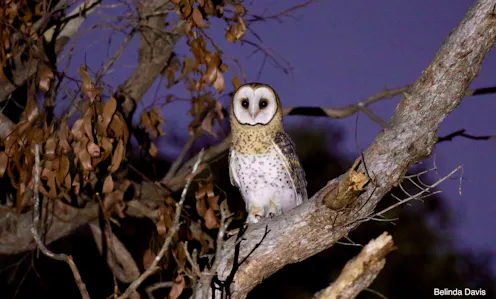
The NSW government has secured an extremely toxic bait to try to end the mouse plague. But there are safer alternatives.

Magpie attacks aren’t as common as you (and the media) might think. But here are a few tricks to get you through swooping season unscathed - and a few classic tactics that don’t work.
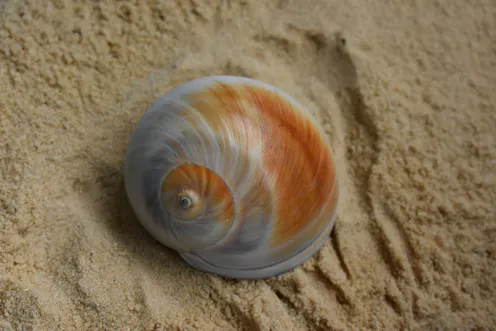
One thing I can tell you is that a snail’s bottom is right over its head.
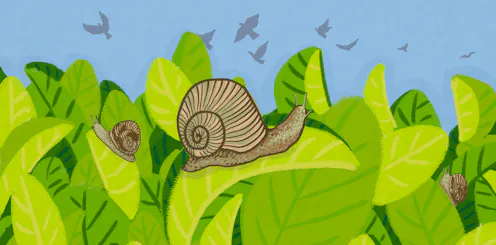
It has been reported that at least one snail lived as many as 14 years in captivity. His name was George and he lived in Hawaii, in the United States.
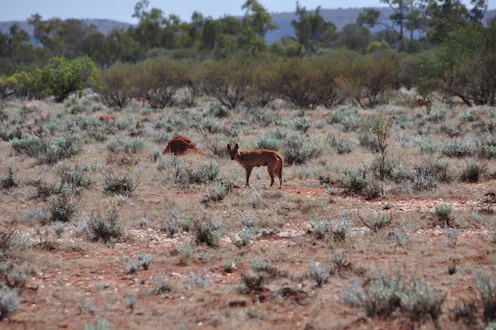
An attack on a WA mine worker has highlighted the danger of wild dingoes, particularly when attracted by humans’ food - one of the factors that can make an attack by wild predators much more likely.
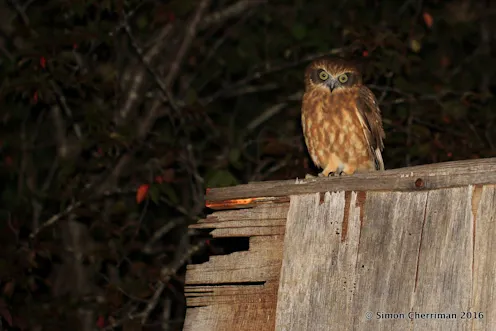
From falcons that hunt by the light of skyscrapers, to bears that sit in wait at weirs, animals are using human structures to help them catch a meal.
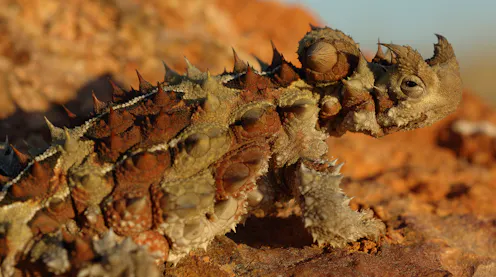
Most of Australia’s plants and animals are found nowhere else on Earth. This remarkable biodiversity requires a bolder, brighter conservation vision.
Contact Bill for
- General
- Media request
- Speaking request
- Consulting / Advising
- Research collaboration
- Research supervision
