
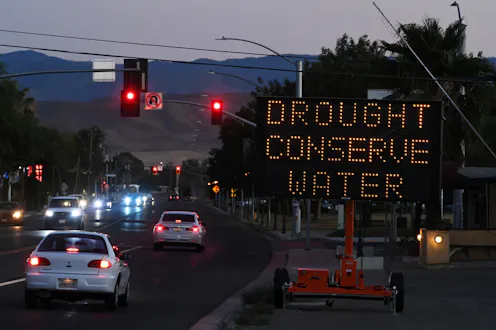
Even after January’s storms, California faces a water-scarce future. An economist and an engineer propose a way to test higher water prices as a conservation strategy without hurting low-income users.
- Ming Hsieh Faculty Fellow and Professor of Electrical and Computer Engineering, University of Southern California
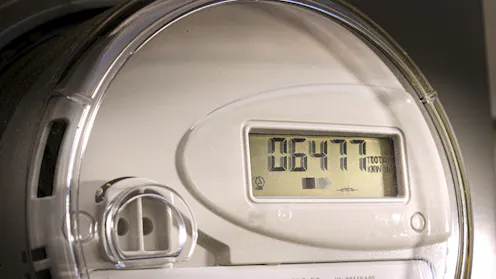
Most households pay a flat rate 24/7 for electricity although the cost of generating it fluctuates through the day. Wireless technologies are changing that system.
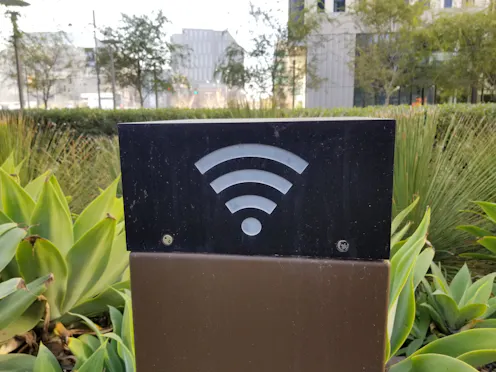
Wi-Fi has become a fundamental part of modern digital life, but its foundation is the same as the technology that allowed your great-grandparents to listen to their favorite radio programs.
Contact Bhaskar for
- General
- Media request
- Speaking request
- Consulting / Advising
- Research collaboration
- Research supervision
- Location: Los Angeles, California, U.S.
- Website
- X (formerly Twitter): @bhaskark_la
- Article Feed
- ORCID
- Joined
