

Depuis les années 1990, les sociétés transnationales en tant que propriétaires et gestionnaires de grands projets miniers sont redevenues la force dominante.
- Reader in International Development, University of Bath

Since the 1990s, transnational corporations have once again become the dominant force as owners and managers of major mining projects.

Are studies right that expanded access to off-grid solar products has driven economic development in Africa?

La gestion internationale des épidémies, consiste parfois à céder leur contrôle à un groupe d'experts étrangers qui possèdent une compréhension superficielle d’une région très complexe.
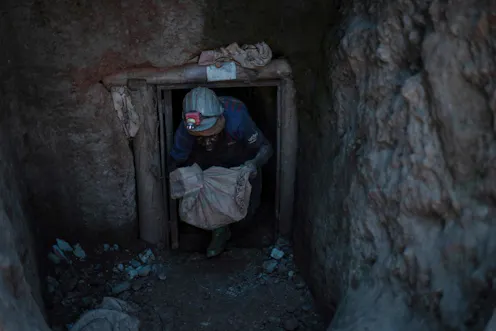
As a dynamic and mechanising form of production, artisanal mining is in more direct competition with large corporations than is commonly perceived.

International epidemic management involves ceding to foreign experts who possess, at best, a surface-level understanding of a very complex region.
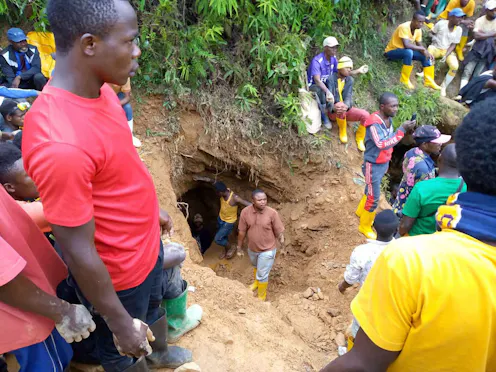
The mass privatisation of mining and the turn to foreign direct investment has created conflict with small-scale miners.

The Democratic Republic of the Congo has scheduled its 15-year-old mining code for review. The country must ensure reform that benefits its people.

The relationship between advocacy organisations based in Western capitals and their marketed constituency of marginalised and disadvantaged African groups is tenuous. What then, is the goal?

Celebrities help make causes known to larger audiences and can be effective in obtaining pledges from policymakers. Yet their simplified advocacy messages can lead to ineffective or harmful policies.
Contact Ben for
- General
- Media request
- Speaking request
- Consulting / Advising
- Research collaboration
- Research supervision
- Location: Bristol, UK
- Website
- BlueSky: @radleyben.bsky.social
- LinkedIn: https://www.linkedin.com/in/benradley/
- X (formerly Twitter): @RadleyBen
- Article Feed
- ORCID
- Joined
