
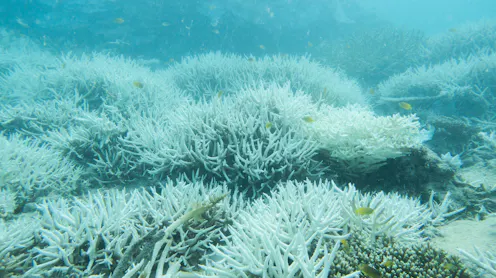
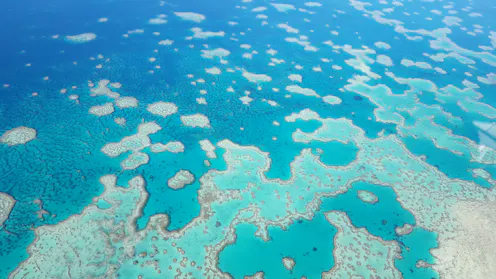
We must face a confronting truth: if humanity does not divert from its current course, our generation will likely witness the demise of one of Earth’s great natural wonders.
- Lecturer, School of Agriculture, Food and Ecosystem Sciences, The University of Melbourne
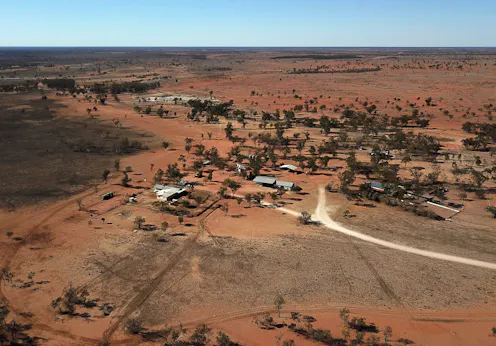
The absence of climate drivers – specifically, the Indian Ocean Dipole and La Niña – explains why Australia has gone so long without heavy rains.
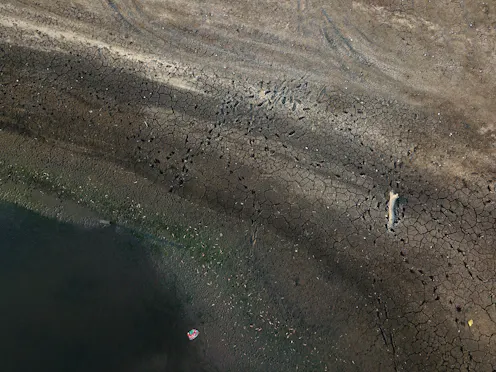
Drought has both natural and human causes, but deep cuts in our greenhouse gas emissions are urgently needed, regardless.
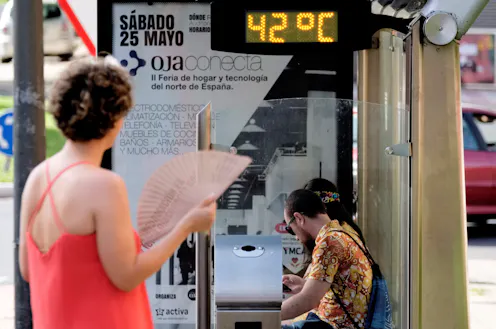
Gambaran paling jelas dari temperatur global selama 2.000 tahun terakhir telah menunjukkan bahwa pemanasan yang terjadi pada 50 tahun belakangan ini belum pernah terjadi sebelumnya dalam dua milenia.
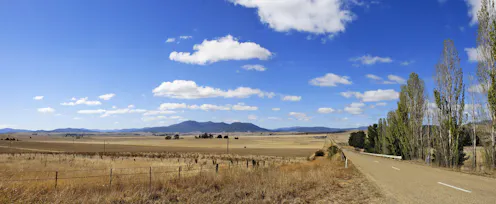
Hitting the Paris targets will go a long way to securing Melbourne’s water supply against future pressure.
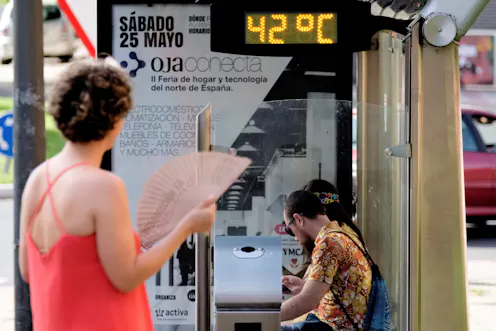
The clearest picture yet of the past 2,000 years of global temperatures has shown warming in the last 50-odd years is unprecedented in the last two millennia.
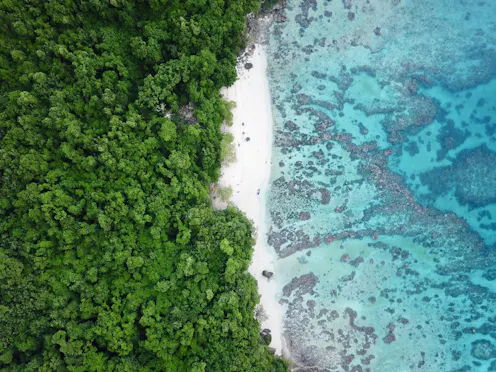
El Niño events can affect millions of people around the world, causing drought in Australia and floods in the Americas.
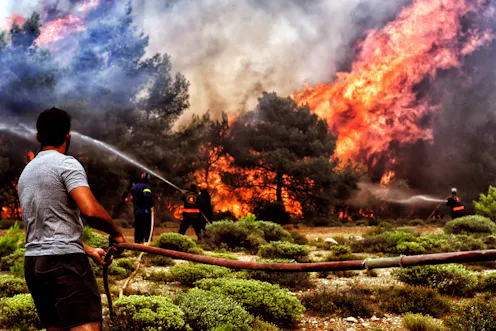
From Greece, to the UK, to Japan and even Sweden, a slew of places in the Northern Hemisphere are suffering extreme heat. And the chances of extreme heat records tumbling are growing all the time.
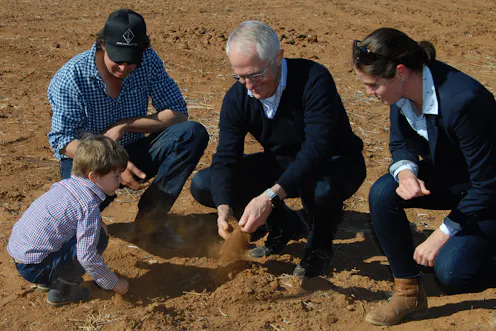
Southern Australia’s debate may be exacerbated by climate change, but it’s not that simple.
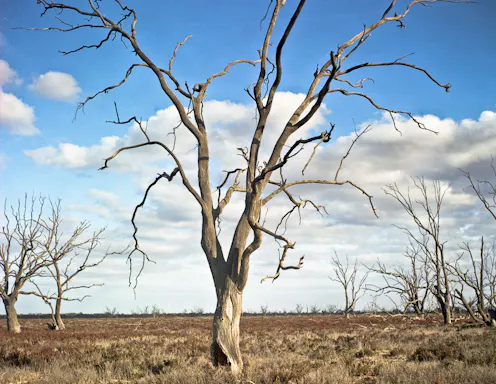
Australia has always suffered heat and flood, but a detailed seasonal rainfall reconstruction of the last 800 years shows the extremes are intensifying.
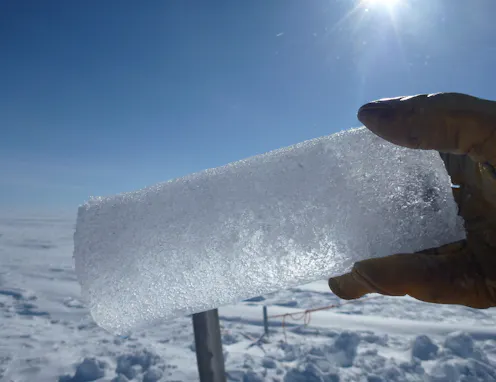
The current rise in atmospheric carbon dioxide levels is unprecedented in the past 800,000 years. As our video explains, ice cores track human changes to the atmosphere that are far beyond natural.
The Paris climate agreement aims to keep global warming to within 2°C above ‘pre-industrial levels’. But what does that mean, exactly?
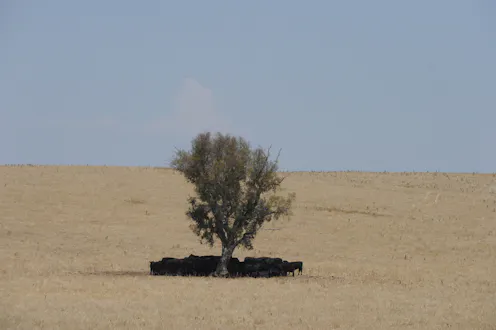
Global warming of 2°C, the higher of the two Paris targets, would see current record-breaking temperatures become the norm in the future, potentially bringing heatwaves to both land and sea.
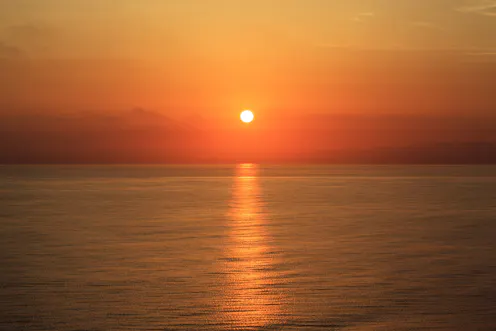
If the Pacific Ocean enters an ‘El Tio’ phase, it could speed the world towards 1.5 degrees of global warming, one of the crucial benchmarks of the Paris Climate Agreement.

During a Q&A discussion about climate change, Tasmanian Senator Jacqui Lambie said it was four degrees hotter 110,000 years ago. Is that right?
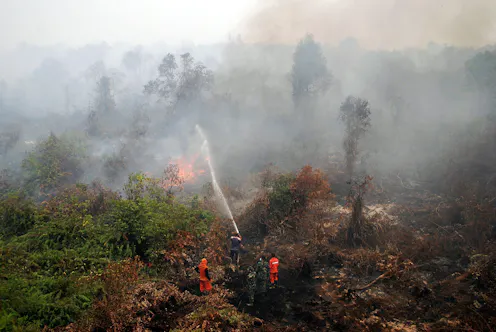
We’re due to cop a hiding from the Pacific Ocean, but we don’t know when.
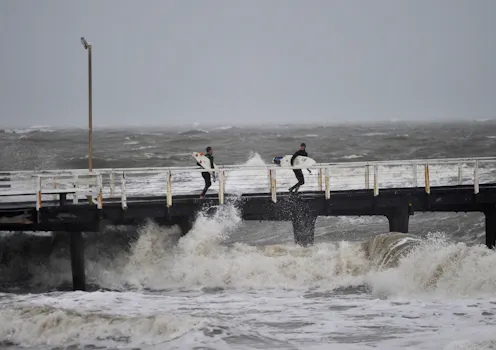
Since April 2015, each month has been the hottest on record and it’s the longest hot streak on record.
Limiting global warming to 1.5°C already looks out of reach, so where do we go from here?
Contact Ben for
- General
- Media request
- Speaking request
- Consulting / Advising
- Research collaboration
- Research supervision
- Location: Melbourne, Australia
- Website
- X (formerly Twitter): @benhenley
- Article Feed
- ORCID
- Joined
