
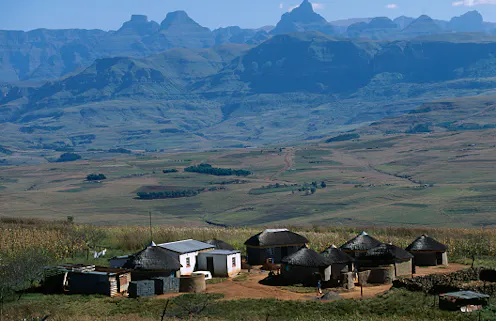
The judgment highlights the lack of interest by successive government ministers in curtailing the self-interested actions of rural elites.
- Emeritus Professor, Poverty, Land and Agrarian Studies, University of the Western Cape

The new initiative reproduces the core weaknesses of post-apartheid state land and agricultural policy. These have done little to improve the livelihoods of the poor.
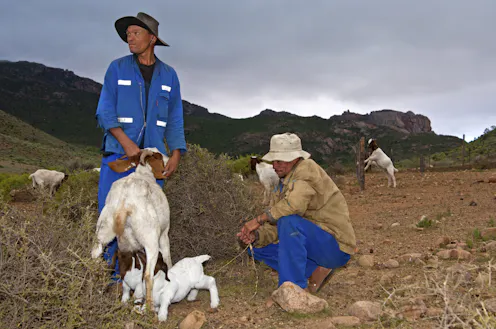
When South Africa eventually emerges from the fog of the COVID-19 crisis, structural reform, including land reform, will be high on the political agenda as never before.
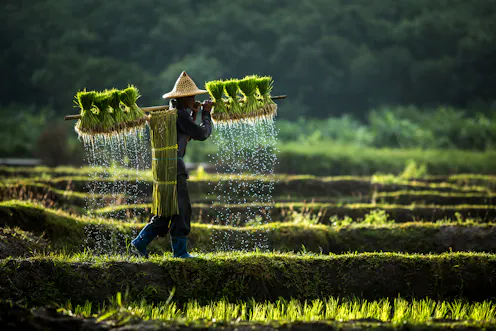
Land reform has always been closely tied to shifts in the wider political economy of countries.

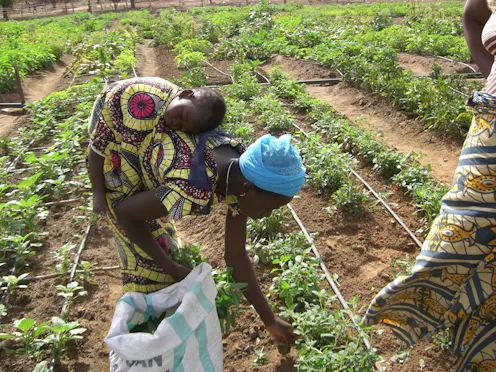
South Africa’s land reform programme will fail if it continues to neglect smallholder farming.
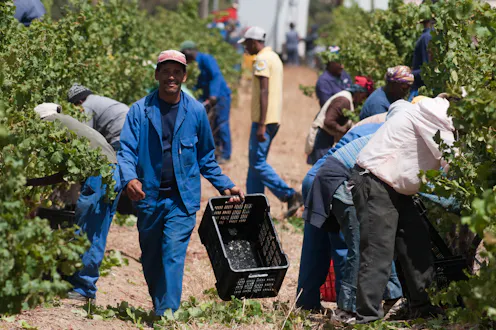
South Africa’s land policy is flailing around in the dark, with the haziest of understandings of how well or how badly land reform is doing.
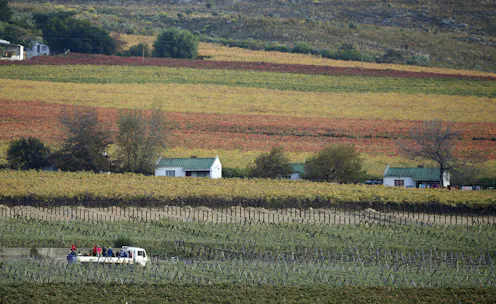
There is very little clarity as to who owns what land in South Africa. A lack of reliable data and statistics doesn’t help.
The conventional view is that insecurity of land tenure results from the lack of a registered title deed which records the property rights of occupants of land or housing.

Land issues are increasingly at the centre of politics in South Africa, but the debate needs fresh ideas.
Contact Ben for
- General
- Media request
- Speaking request
- Consulting / Advising
- Research collaboration
- Research supervision
- Location: Cape Town, South Africa
- Website
- Article Feed
- Joined
