

Bintang-bintang yang paling panas sebenarnya bercahaya biru. Mengapa matahari warnanya oranye atau oren?
- Lecturer, University of Southern Queensland
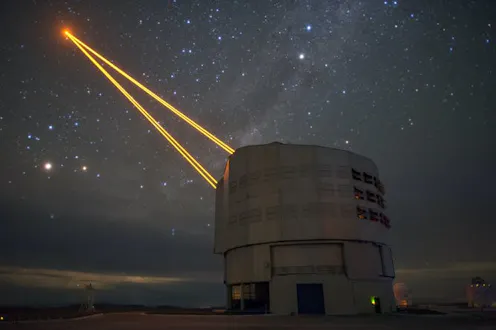
Bagaimana bintang-bintang bisa berkelap-kelip di langit malam? Ternyata, jawabannya penuh dengan udara panas… dan udara dingin.
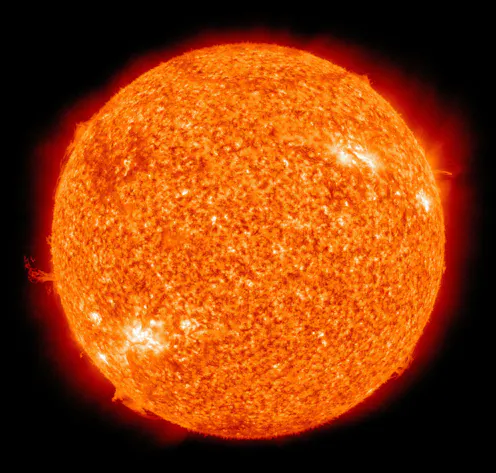
Yes, the Sun absolutely spins. In fact, everything in the universe spins. Some things spin faster than the Sun, some are slower and some things spin ‘backwards’.

What’s the next ‘giant leap’ for humankind in space? We asked 3 space experts
The Conversation, CC BY27.3 MB (download)
What's the next thing that will blow us away or bring us together the way the Moon landing did in 1969? Moon mining? Alien contact? Retirement on Mars? Three space experts share their predictions.

The very hottest stars actually glow blue.
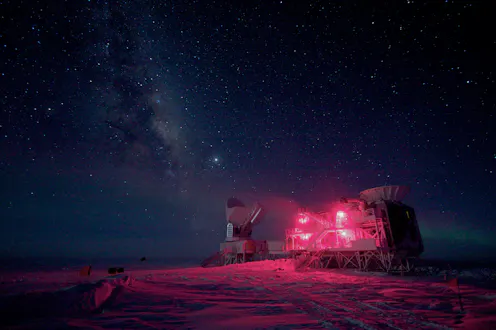
Long ago in the distant past, our entire Universe was microscopic – just like an atom – and obeyed completely different rules of cause and effect.
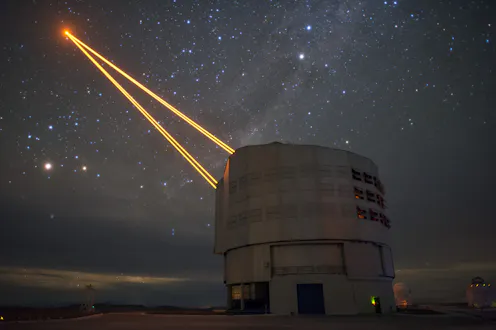
How exactly do the stars twinkle in the night sky? As it turns out, the answer is full of hot air… and cold air.
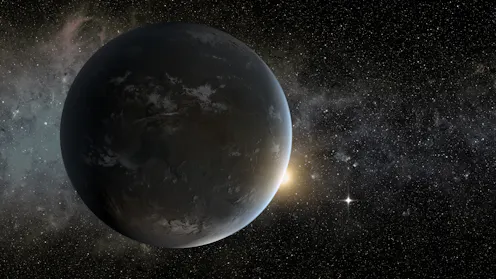
More than 1,000 exoplanets have now been discovered by the Kepler Space Telescope, announced NASA this month, and the figure continues to climb. Three of the newly confirmed Kepler planets are thought…
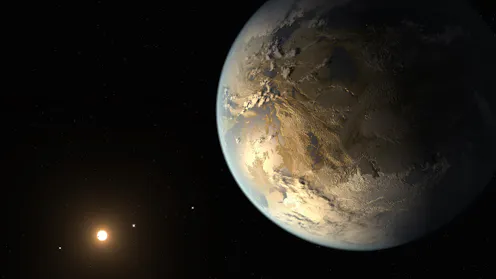
When it comes to finding the right kind of planet to target in the search for life elsewhere in the universe, the size of the planet matters. All planets are believed to form by a process of competitive…
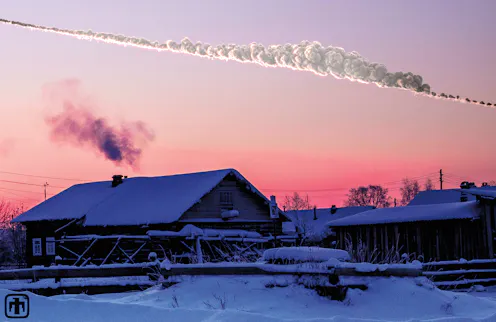
Every so often our Earth encounters a large chunk of space debris which reminds us that our solar system still contains plenty of debris that could potentially have an impact on life on Earth. While the…
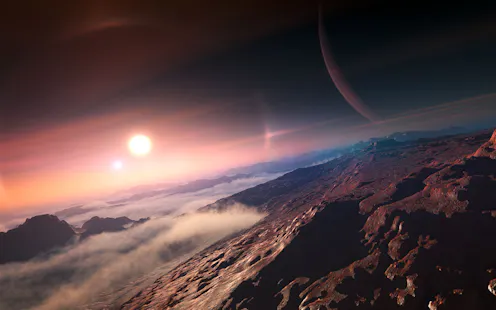
In the search for life beyond our solar system, we need to consider the system in which a planet moves, including the other planets and assorted debris that accompany it on its journey through the cosmos…
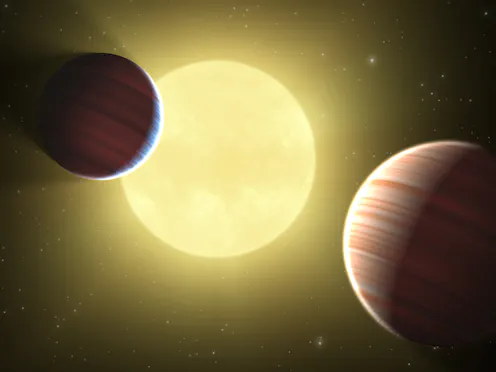
In the search for life-sustaining planets we must first choose the right host star. There are many factors that would make a star system too hostile for life to even get started, let alone survive for…
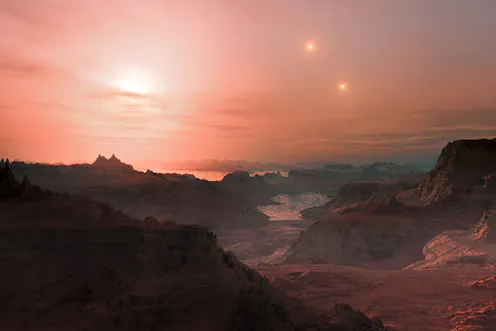
The criteria for life on other planets is the focus of the 4th Australian Exoplanet Workshop, hosted by the University of Southern Queensland this week. The first in this series on exoplanets looks at…
Contact Belinda for
- General
- Media request
- Speaking request
- Consulting / Advising
- Research collaboration
- Research supervision
