
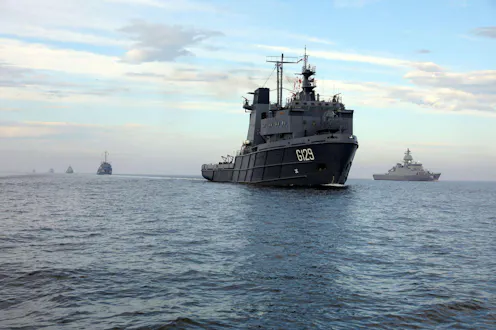
The Caspian Sea has enabled Iran and Russia to supply each other with weapons and trade goods despite western sanctions.
- Professor of International Security, School of Global Affairs, Lancaster University
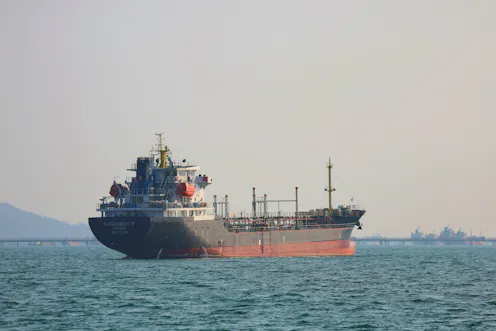
The blockade is costly, hard to enforce and raises the chance of the situation escalating.
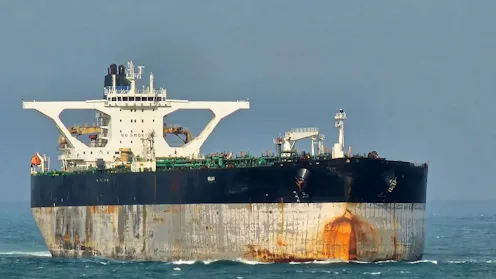
The use of unresigistered or falsely registered ships by Russia and other countries trying to avoid sanctions is becoming an increasing feature of global conflict.
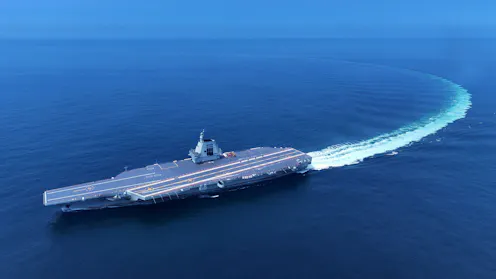
China now has three of the biggest warships in the world – and there’s a fourth already under construction.
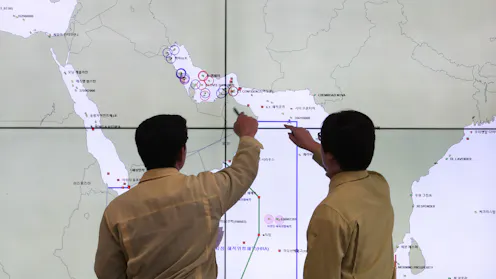
The Middle East crisis continues to escalate and a decision to close the strait of Hormuz is a dangerous moment.
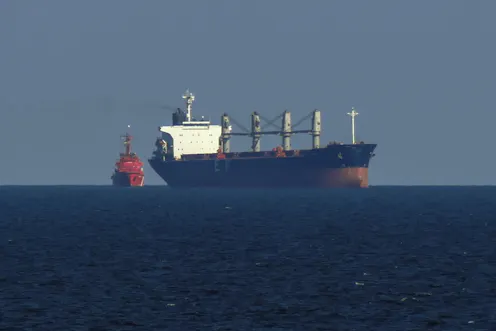
Ukraine has had the uppoer hand in the Black Sea. But conceding to to this US-brokered deal will win Kyiv important credit from the Trump administration.
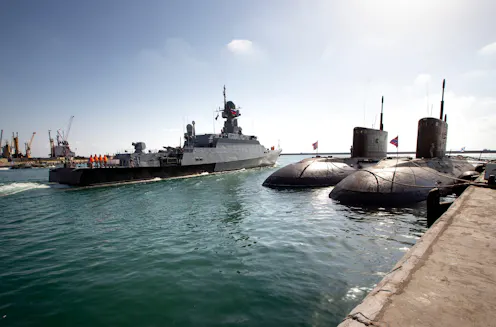
Tartus is Russia’s only foothold on the Mediterranean coast.
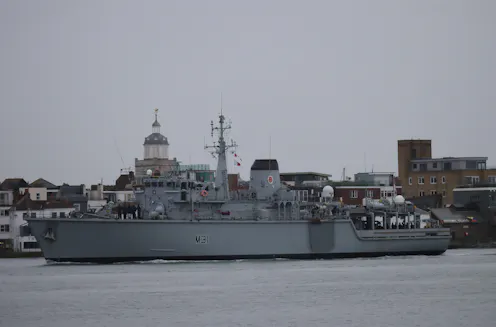
‘Hybrid warfare’ is flourishing on and beneath the waves.
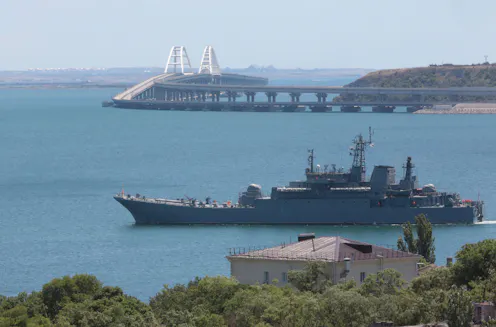
While Ukraine continues to suffer defeats on land, at sea it is inflicting heavy losses on Russia’s Black Sea fleet.
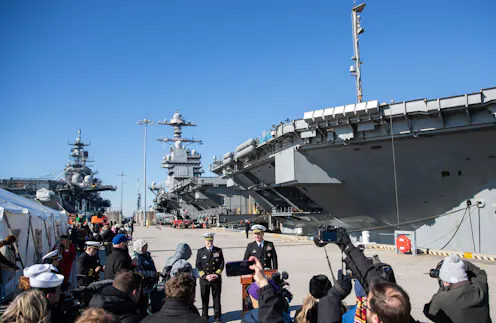
Successful empires have always depended on maritime power. Now there are signs that this power is shifting eastwards.
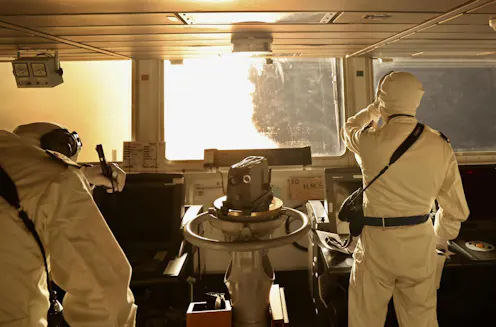
The Iran-backed Houthi rebels have the power to significantly destabilise global trade by endangering maritime activity in the Red Sea.
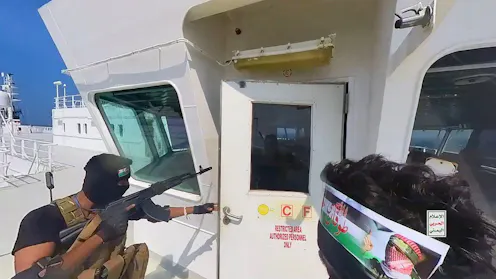
A US-led naval taskforce has deployed in the Red Sea and is considering strikes on rebel positions in Yemen.
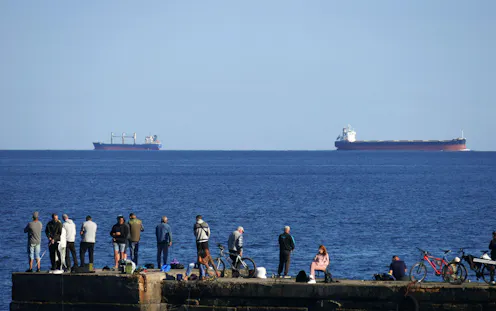
Ukraine’s successes against Russia’s Black Sea fleet have increased confidence in its ability to protect shipping in and out of its ports.
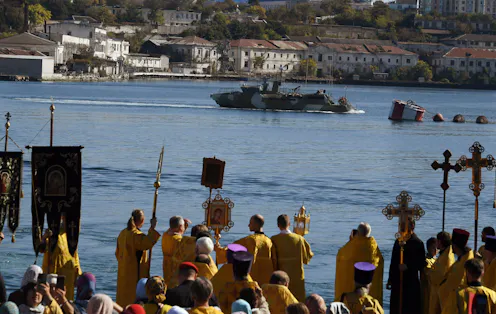
Russia has lost control of the Black Sea, which will have major implications for the war on land.
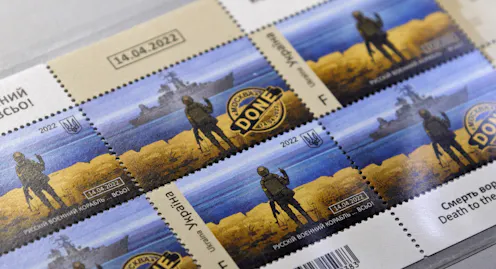
Ukraine’s recent successes at sea and in Crimea create strategic opportunities in the Black Sea and, in the longer term, for the war on land.
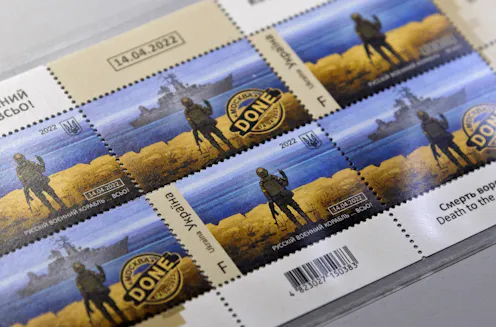
Most of the fighting has been on land, but key developments at sea have put Russia at a disadvantage.
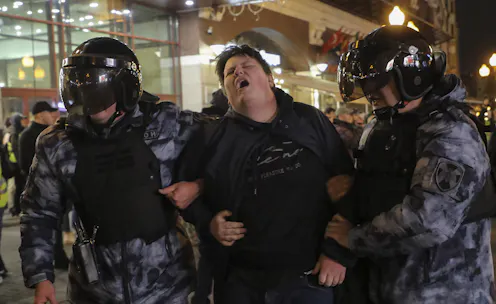
Russia’s rigid military structure and inflexible strategic thinking could well be its Achilles heel in Ukraine.
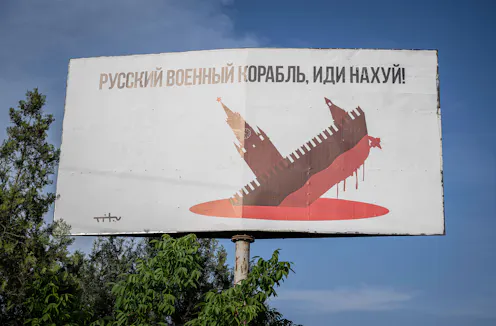
Ukraine has been able to challenge Russia’s dominance of the Black Sea, and this will be key to success in its counteroffensive.
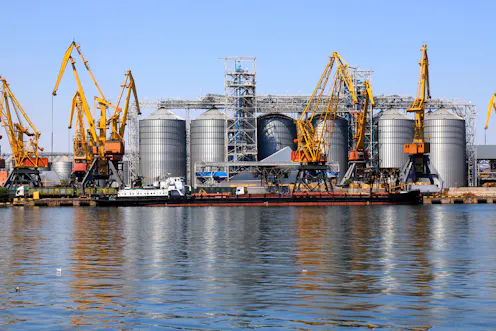
Russia is attempting to win back friends by opening up its Black Sea blockade to allow grain out.
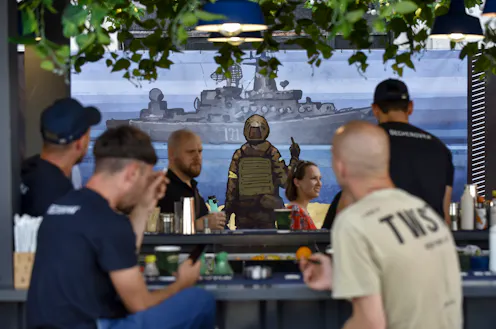
Beyond a symbolic win, reclaiming Snake Island has strategic repercussions, from the opening of a safe corridor to the diplomatic confrontation between Moscow and the west.
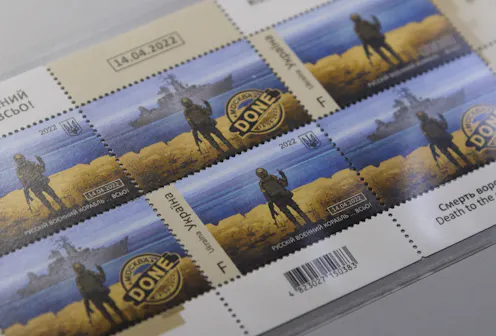
As the war drags on and its maritime dimension intensifies, Russia is more likely to be strategically defeated in the long term.
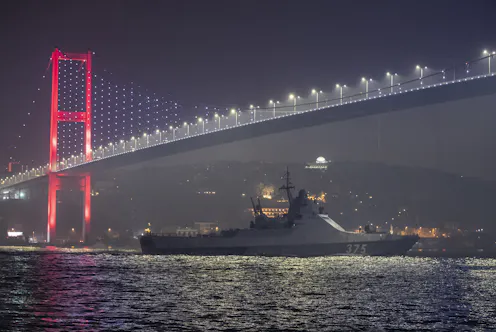
There are important strategic and political maritime dimensions to Russia’s invasion of Ukraine.
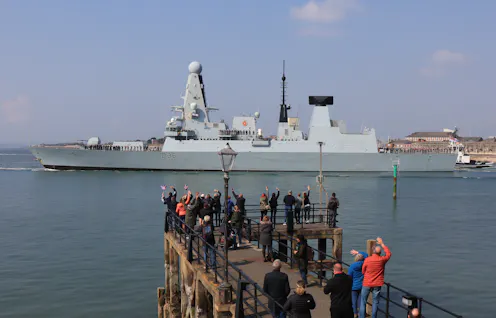
The Royal Navy is central to the government’s vision of ‘Global Britain’.
Contact Basil for
- General
- Media request
- Speaking request
- Consulting / Advising
- Research collaboration
- Research supervision
- Location: Lancaster, UK
- Website
- Article Feed
- ORCID
- Joined
