
How worried should you be?
- Professor of Political Science, Grinnell College
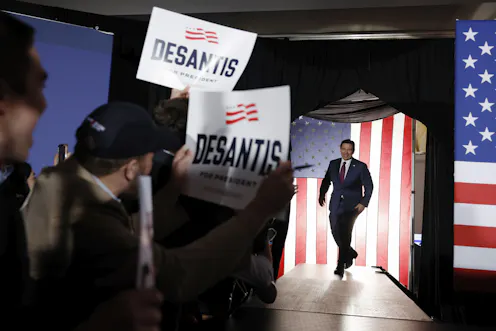
In Iowa, the Ron DeSantis super PAC Never Back Down seemed intent on mocking the dividing line federal regulators set between campaigns and the PACs that support them.
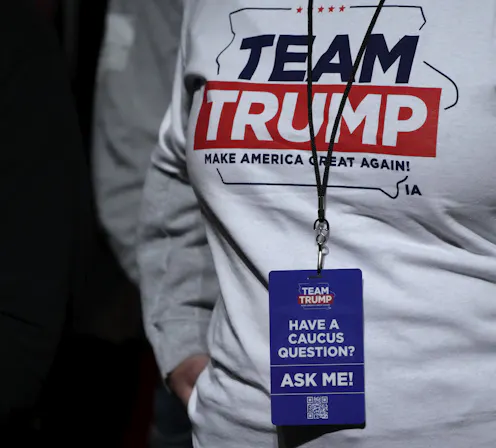
Donald Trump’s Iowa caucus campaign is very nuts-and-bolts. That may be a recognition that celebrity will only take him so far and attention to traditional political tools might be in his interest.
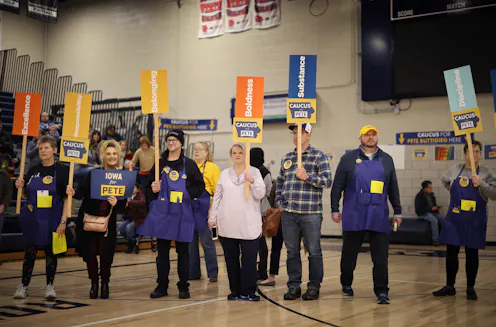
The Iowa caucuses have traditionally heralded the start of the Democratic Party’s presidential nominating contest. But the party, eager to maintain the White House, is redesigning that process.
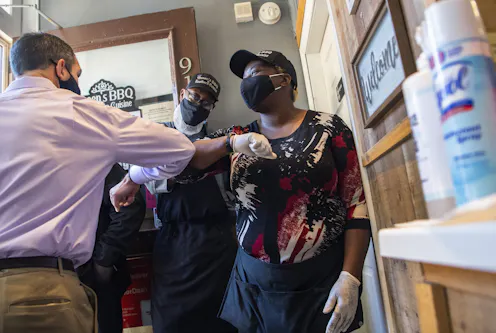
How do you run a political campaign in a pandemic? From data brokers to advertising firms to voter registration volunteers, the players in campaigns are making adjustments, large and mostly small.
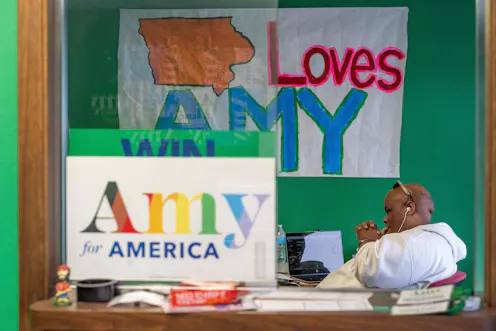
What will happen to campaign workers after the Feb. 3 caucuses? It’s a question that’s in the cold Iowa air, carrying with it a subtle message about the state of democratic politics.
Contact Barbara for
- General
- Media request
- Speaking request
- Consulting / Advising
- Research collaboration
- Research supervision
- Location: Grinnell, Iowa, U.S.
- Website
- Article Feed
- Joined
