
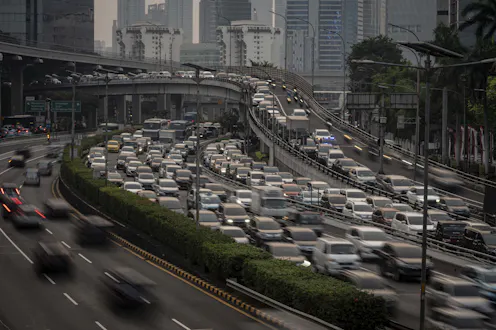
Harga BBM naik? Mari pikirkan caranya kurangi ketergantungan pada kendaraan pribadi berbahan bakar fosil.
- Distinguished visiting professor, University of Glasgow
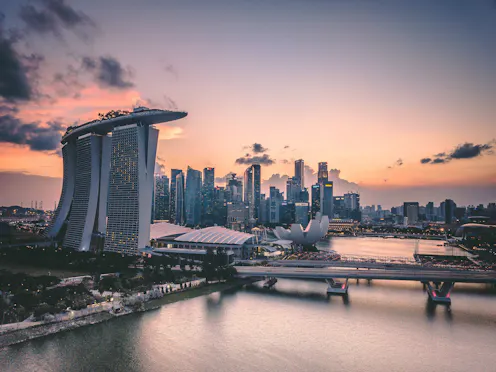
The government is working hard to ensure Singapore does not become a modern-day Atlantis, Plato’s famous sunken city.
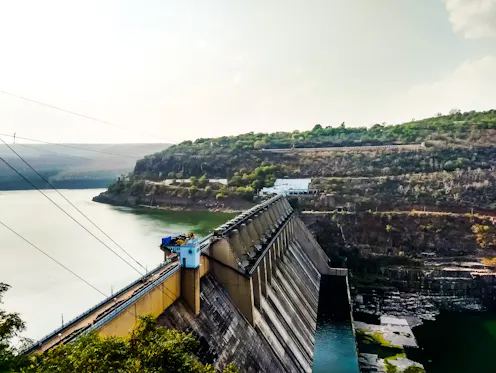
India’s civil society, which for the past 30 years has been critical of India’s water policies, now has the opportunity to drive the policy recommendations for water management.
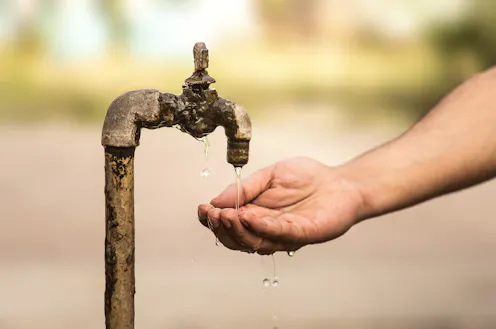
Akses terhadap air bersih memang sangat penting dalam kondisi normal sekalipun, apalagi pada masa pandemi.
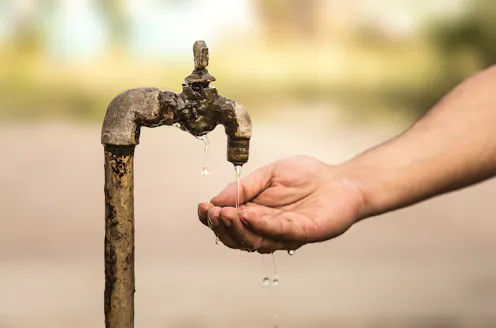
During normal times, and even more during the present pandemic, access to clean water and proper sanitation is essential.
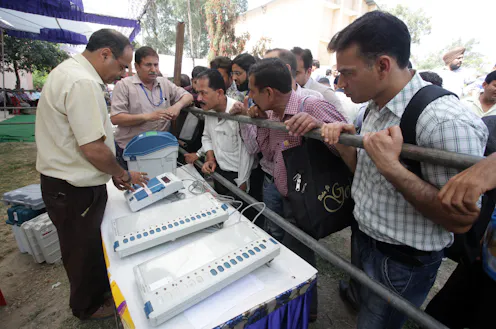
India is facing an employment crisis, the magnitude and complexity of which has never been witnessed.

Tidak ada satu pun Hari Air Sedunia selama 25 tahun terakhir yang berfokus pada bagaimana air menjadi prioritas agenda politik negara untuk jangka panjang.

Not a single World Water Day over the past 25 years has focused on how water could be put high up on the political agendas of countries on a long-term basis.

As robotics, IoT, and other automation technologies grow in sophistication and commercial feasibility, jobs at nearly every skill level will be impacted.

Dengan semakin berkembangnya robotika, IoT, dan teknologi otomasi lainnya, pekerjaan di semua tingkat keterampilan akan terdampak.

Suka atau tidak, tindakan korupsi akan selalu menjadi bagian dari manusia, dan akan terus menjangkiti masyarakat.

Corruption can never be eliminated. Whether we like it or not, it has always been part of human nature and will continue to infect society.

The Belt and Road Initiative will not be starting entirely from scratch. China has already invested heavily in several African railways.
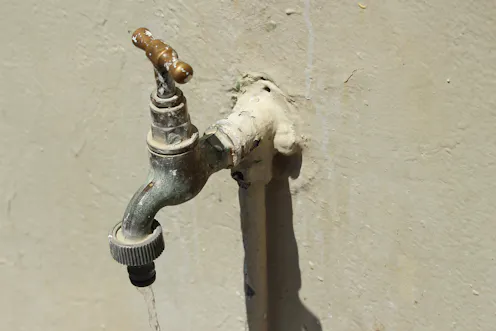
Unless African cities improve water management many will face severe water problems by 2035.

Now is the time for China to put its technological and diplomatic skills on display in its quest for superpower status.
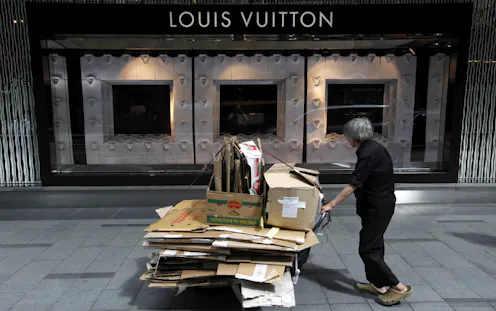
Inequality is decried at campaign rallies and in the global commentariat. But little is being done at any policy level.
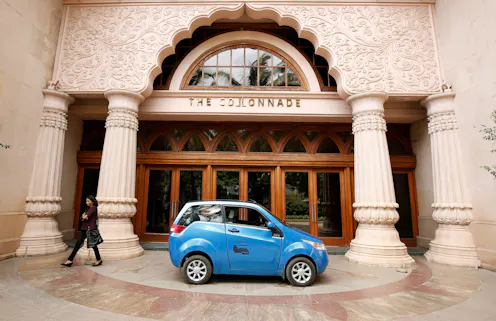
There is a rapid shift in production of electric cars all over the world. But how will it benefit ordinary people?

Masalah urbanisasi masih jadi perhatian banyak negara, tapi yang sebaliknya sudah dialami kota lainya: deurbanisasi. Bagaimana kota-kota yang ditinggalkan penduduknya mengelola dirinya yang menyusut?

Urbanisation has been a well-established trend and for some countries will continue to be. But some others experience the opposite, resulting in underused and abandoned infrastructure.
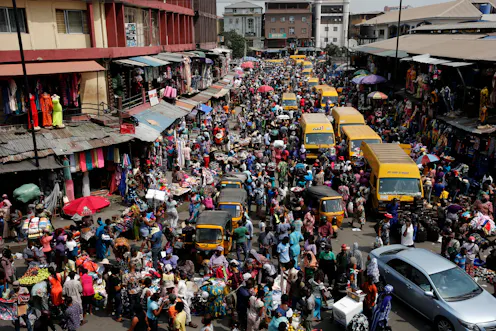
Krisis ini akan menguji tekad politik pemerintah yang secara historis fokus pada pemberantasan kelaparan. Gaya hidup urban menyumbang kegendutan.
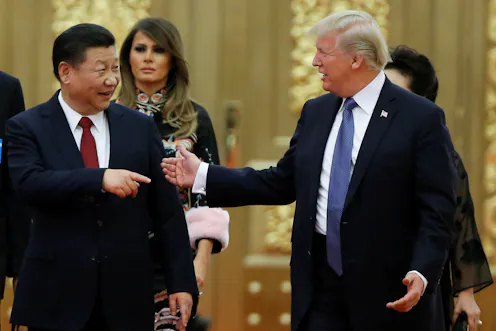
China is stepping into a soft power vacuum created by the new US administration. Since Donald Trump was elected president, the country has eschewed soft power.
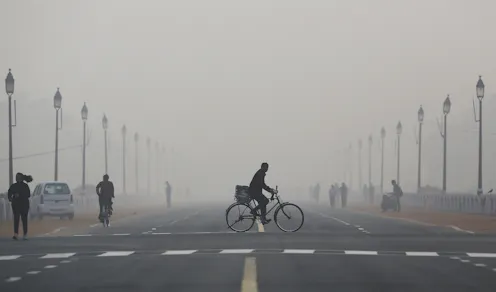
While India struggles for answers to its urban air pollution crisis, Beijing is moving forward with strong resolve and effective policy.
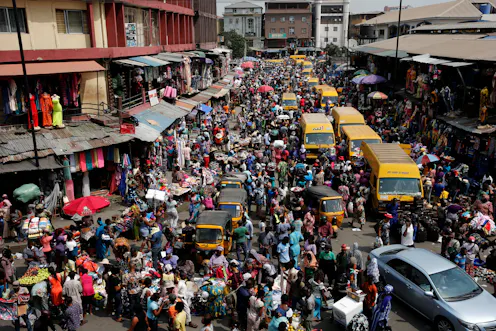
Governments must understand that the factors making cities convenient and productive also make their residents prone to obesity. They must confront this challenge with intelligent, focused policies.
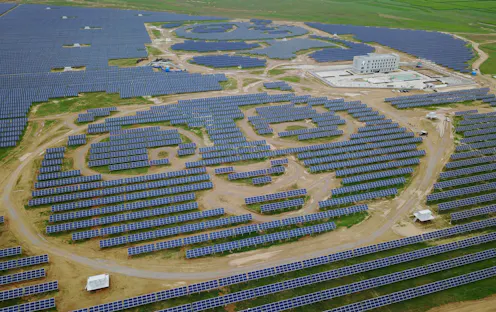
China has become a commanding authority in infrastructure and has the opportunity to shape global development in ways that may define the rest of the 21st century.
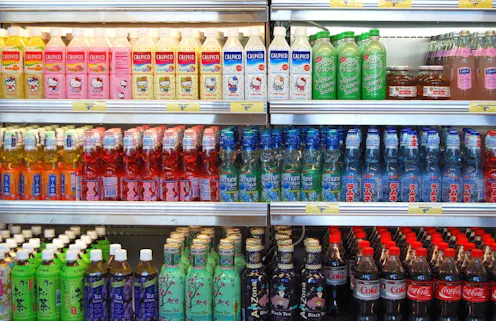
To fight against obesity, a huge issue in Asia, governments must promote lifestyle changes through education and improve access to healthy foods.
Contact Asit for
- General
- Media request
- Speaking request
- Consulting / Advising
- Research collaboration
- Research supervision
- Location: Singapore
- X (formerly Twitter): @asitkbiswas
- Article Feed
- Joined
