

Is there ever a satisfactory answer to questions about what motivated a mass shooter? There is, but it’s not what you think.
- Professor of Psychology, University of Maryland
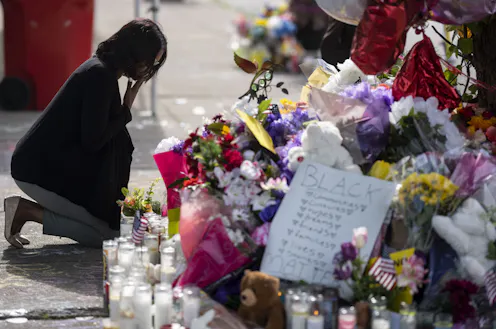
There is a mental and psychological dimension to what leads people to commit mass killings. But it is not mental illness or pathology.

Everyone wants to feel a sense of significance and dignity. But those desires can motivate extremist behavior.

The quest for significance and respect is a universal part of human nature. It has the potential to inspire great works – but lately, it has been much in evidence tearing society apart.
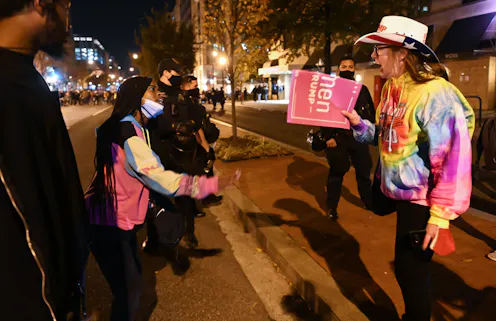
Biden’s winning campaign message was one of unity. But even the people who study polarization can’t agree on whether it’s possible to unify the United States.

The coronavirus pandemic alters who we are, writes a psychologist. It affects how we think, how we relate to others and what we value.

Will Syrian religious extremists migrate to the West as refugees in need – and then do harm? A team of researchers surveyed Syrian refugees in Lebanon, Jordan and Turkey to find out the answer.

A psychologist explains what can happen to individuals and societies that lose their grip on the truth.
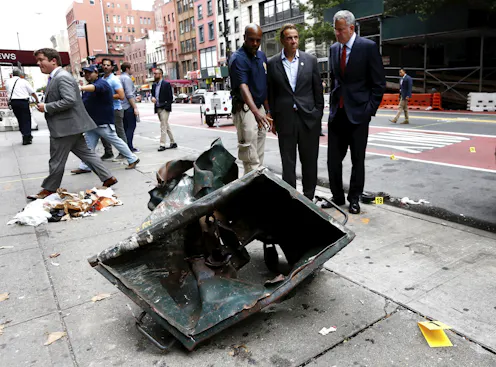
A year of violence continues with bombs in NYC and a stabbing in Minnesota, leaving many asking, why? A psychologist explains what research has revealed about the minds of violent extremists.
Contact Arie for
- General
- Media request
- Speaking request
- Consulting / Advising
- Research collaboration
- Research supervision
- Location: College Park, Maryland, U.S.
- Article Feed
- Joined
