
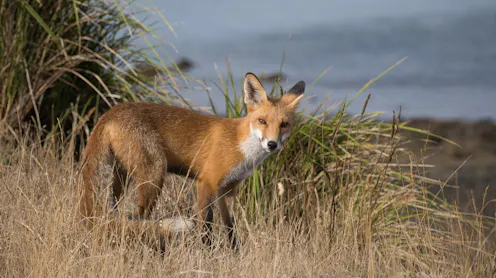
Dozens of Australian mammal species have declined and gone extinct since European colonisation – and introduced predators are often blamed. But evidence is lacking.
- Future Fellow in Ecology, Queensland University of Technology
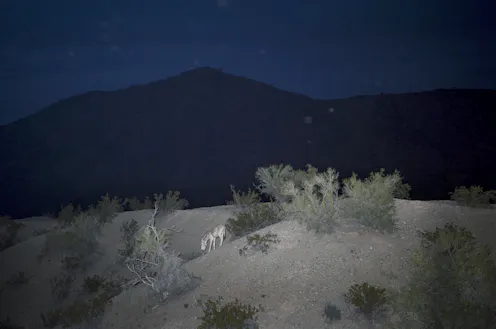
Incredibly, once the wells dried up some became nurseries for the germination and establishment of wetland trees.
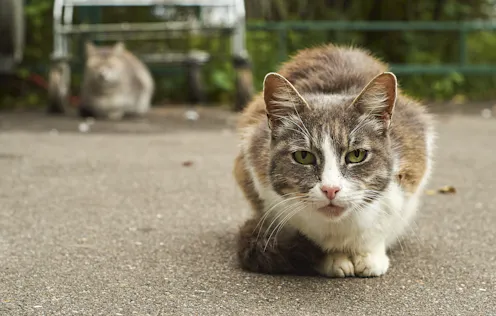
Framing cats as responsible for declines in biodiversity is based on faulty scientific logic and fails to account for the real culprit – human activity.

Species counts drive conservation science and policy, yet a major component of biodiversity is excluded from the data: non-native species.

A confession: I can count on a single hand the number of women I have invited to collaborate with me on publications and grants.
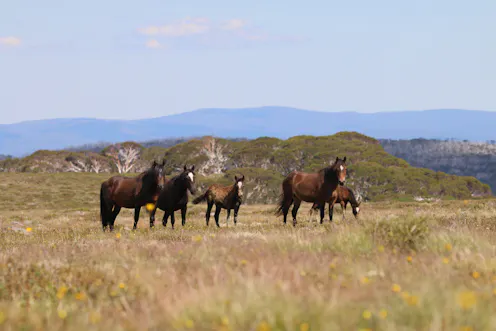
Much of the Earth’s megafauna are now found outside their native ranges. Thanks to introduced populations, megafauna richness on each continent is higher today than during the past ~10,000 years.
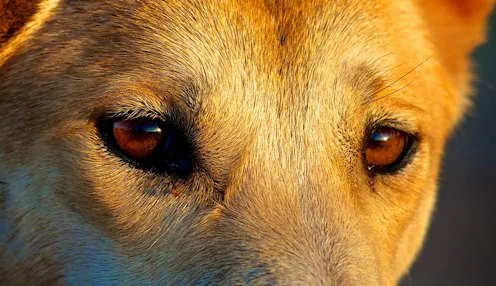
Wild dog attacks on livestock are devastating, but bounties and culling aren’t the answer.
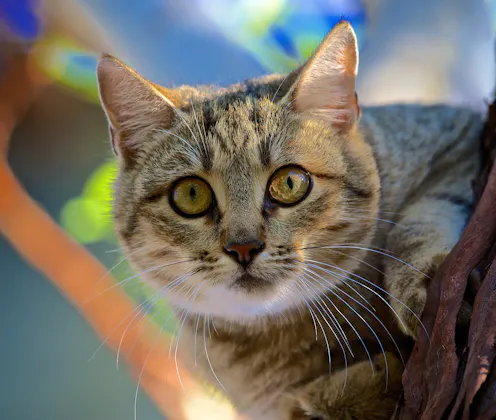
There’s been a lot of talk about killing feral cats, with the government’s recently announced war on cats, with a goal to kill two million by 2020. But let’s embrace cats as part of Australia’s environment.
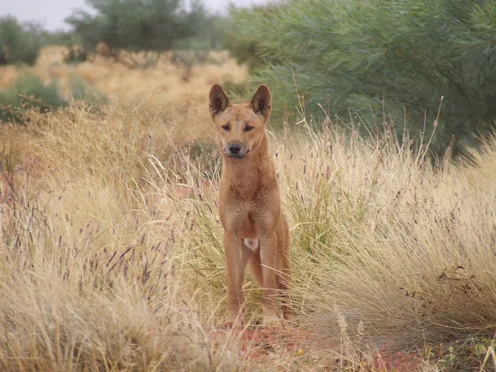
Introduced species pose one of the greatest threats to Australia’s fauna and flora, but expensive efforts to control them aren’t working. Instead of spending millions of dollars on culling, giving dingoes…
Contact Arian for
- General
- Media request
- Speaking request
- Consulting / Advising
- Research collaboration
- Research supervision
- Article Feed
- ORCID
- Joined
