

We’re reliant on overseas supply - and the many moving parts of delivery. Each of those parts require staff on the ground – and many workers in this system are likely being affected by Omicron.
- Associate Professor and ARC Future Fellow, The University of Western Australia
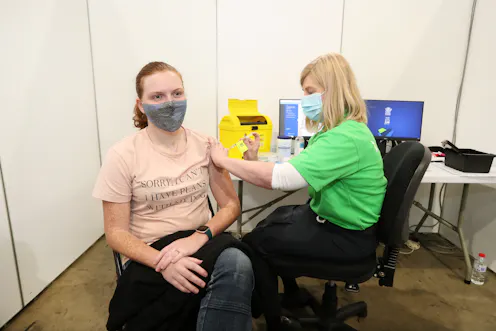
mRNA vaccines are the first synthetic vaccines, meaning they’re made outside of a living cell. But so are lots of things we consume every day, such as vitamin C pills and other dietary supplements.
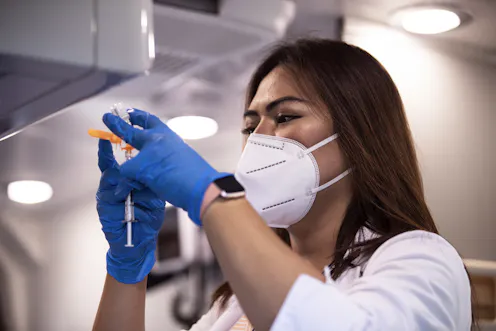
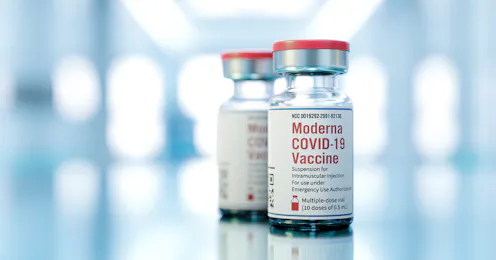
Doses of the Moderna vaccine will be available in Australia from mid-September. So if you’re in an eligible group you could be offered either Pfizer or Moderna. Here’s how they compare.
This myth is still circulating online. Here’s why the chance of this happening is next to zero.
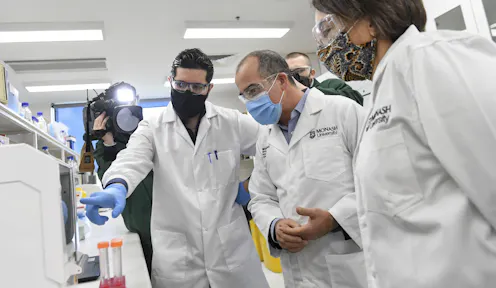
The vaccine works by the same principles as the Pfizer and Moderna vaccines, and could be manufactured in Australia.
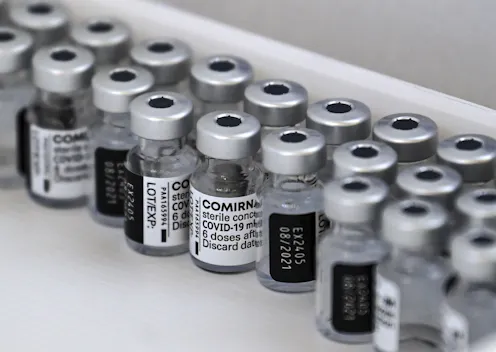
Skyrocketing demand coupled with shortages of vital components is leading to bottlenecks in the supply chain of Pfizer’s and other mRNA vaccines.
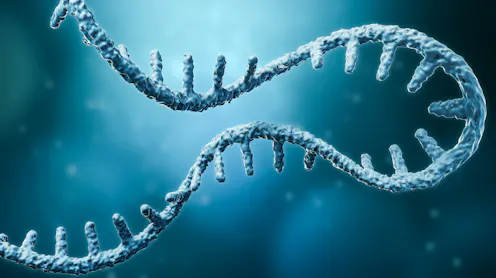
We have two mRNA COVID-19 vaccines so far. But what else can this technology do?
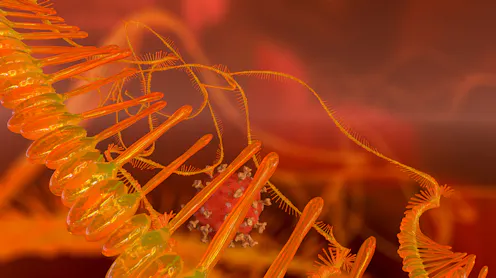
Researchers are already working to improve the current crop of mRNA vaccines. Hopefully this will help them become more practical and affordable for the entire world, not just first-world countries.
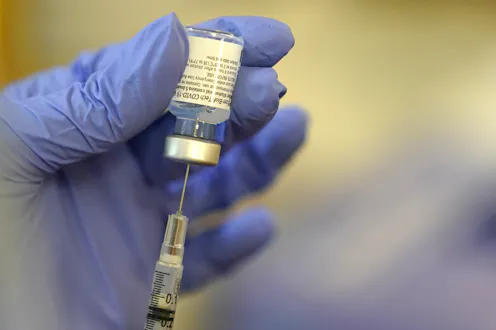
Perhaps you’ve heard mRNA vaccines cause autoimmune disease, or connect you to the internet. Now the Pfizer vaccine has been approved in Australia, it’s important we iron out these misconceptions.
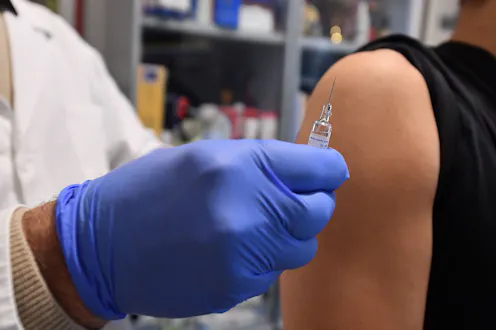
So-called mRNA vaccines are among the frontrunners in the global race to design a COVID vaccine. But as a new technology, most nations, including Australia, lack the capacity to produce them at scale.
Contact Archa for
- General
- Media request
- Speaking request
- Consulting / Advising
- Research collaboration
- Research supervision
- Article Feed
- ORCID
- Joined
