
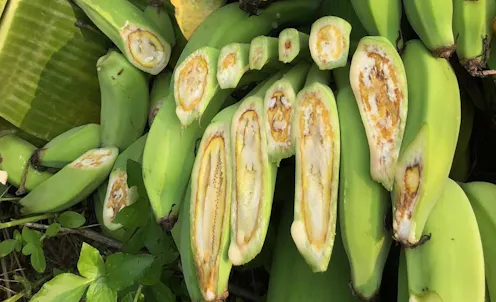
Fungi and other organisms called oomycetes are
highly adaptable. That’s bad news for the global food supply.
- Cornelius Vanderbilt Chair in Biological Sciences, Professor of Biological Sciences and Biomedical Informatics, and Director of the Vanderbilt Evolutionary Studies Initiative, Vanderbilt University

Researchers have discovered the first known example of a hybrid fungus that infects humans.

Bread. Yeast. Wine. Cheese. All these delicious foods are courtesy of various forms of domesticated fungi. So how, exactly, did humans tame wild fungi into the cooperative species that make our food?

In the ongoing arms race to kill off mosquitoes that spread malaria, researchers have modified a naturally occurring fungus that kills mosquitoes with a deadly toxin to wipe out these insects faster.

The discovery of a fungus fossil is pushing back the origin of these ancient organisms and rewriting what we know about evolution and the tree of life.

Yeast isn’t just important for the foods we consume. A rogue lineage of yeast species that evolves faster than any other is revealing secrets that may help illuminate the molecular causes of cancer.
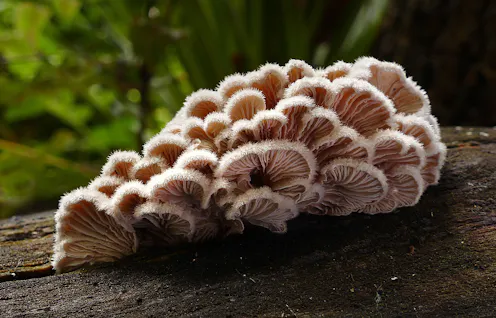
There is more to sex than male and female. For some species there are hundreds and even thousands of sexes and mating types.
Contact Antonis for
- General
- Media request
- Speaking request
- Consulting / Advising
- Research collaboration
- Research supervision
- Location: Nashville, Tennessee, U. S.
- Website
- X (formerly Twitter): @RokasLab
- Article Feed
- ORCID
- Joined
