

It was hoped intensive early intervention programs might ‘bend the curve’ and change the lifetime trajectory of illnesses such as schizophrenia. But that doesn’t appear to be the case.
- Professor emeritus, The University of Melbourne

Teens have been through a lot in the pandemic and things won’t simply go back to normal as the nation opens up. Here’s how to support their mental health during the transition.

Despite more spending on mental health services, suicide rates continue to climb. So in light of two major new reports released this week, we need to rethink our strategy to save lives.
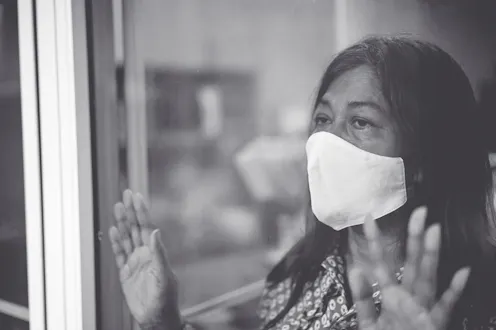
Income and employment support are more important in addressing the mental health impact of the pandemic than mental health services.

The federal budget’s A$2.3 billion for mental health may well make it easier to access services. But there’s no guarantee this will translate to improved mental health in Australia — here’s why.

Poor mental health costs the Australian economy up to A$220 billion a year, according to the Productivity Commission. It will take more than piecemeal ‘announceables’ to fix the situation.
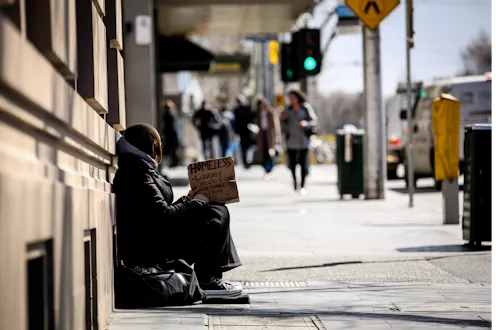
Australia has managed to house the homeless in hotels during the COVID-19 pandemic. We now have an opportunity to be thinking about longer-term solutions.
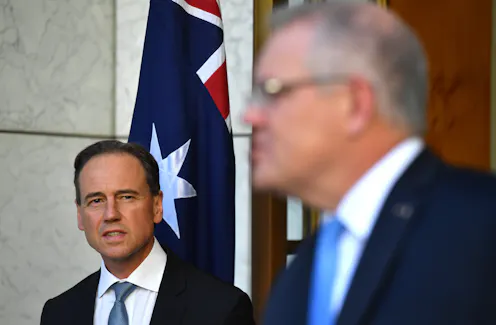
New funding aims to fend off a wave of mental ill-health in the wake of the COVID-19 pandemic. We don’t know how severe that wave will be, but we do know financial hardship is a huge risk factor.

We expect a steep rise in mental health problems as a result of the pandemic. But there are ways to flatten this curve, just as we’ve flattened the curve of infections.

The interim report of Victoria’s mental health royal commission makes some worthwhile recommendations. But if we want to see broad-reaching system change, the state can’t do it alone.

The Productivity Commission has highlighted the growing burden of mental illness in Australia. But to really change things, its final recommendations should have a sharper focus on prevention.

Around 20% of young Australian women had a diagnosis of depression or anxiety in 2017 compared with 12.8% in 2009. But the proportion of people reporting significant symptoms has remained stable.

Contrary to the common belief you shouldn’t talk about suicide because it plants the idea, asking someone if they plan to harm themselves can help.
Australians have come a long way in understanding depression. Most recognise the symptoms and believe in the value of professional help. But anxiety disorders have been left behind.

The number of youth mental health centres known as headspace has rapidly expanded in the last decade. But we have yet to see evaluation of whether the services improve young people’s mental health.

I have worked as a health researcher for over 30 years. During that time I have made numerous applications for funding. The majority of these have, to my frustration, been rejected. This does not mean…

One person takes their own life every 40 seconds, equating to 803,900 deaths across the world every year, according to the first World Health Organization report on suicide prevention released today. “Preventing…
Despite widespread analysis of the federal budget, measures affecting mental health services have received little attention. But, like other aspects of the budget, there’s serious concern about the lack…
Despite two decades of investment in improving mental health services, the mental health of Australians has not improved. This may be because haven’t been spending money on the right approach and need…
Young people exposed to multiple types of abuse are up to six times more likely to have suicidal thoughts than those who were not, a US study has found, suggesting the need for a more holistic approach…
Contact Anthony for
- General
- Media request
- Speaking request
- Consulting / Advising
- Research collaboration
- Research supervision
- Article Feed
- ORCID
- Joined
