

Adolescent girls carry the blame for early pregnancy, yet the boys and men who got them pregnant remain invisible.
- Research Scientist, African Population and Health Research Center

Les programmes visant à lutter contre la prostitution doivent être adaptés à chaque contexte. Les facteurs déterminants varient d’un pays à l’autre.

Programmes to address transactional sex need to be customised. The drivers change from country to country.
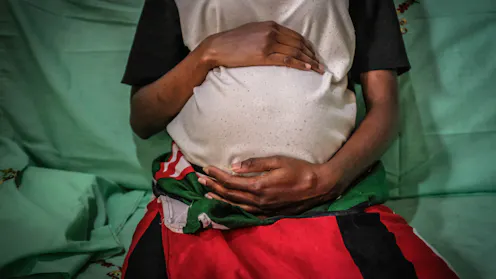
Adolescent girls living in low-income urban informal settlements face challenges that elevate their susceptibility to early childbearing.
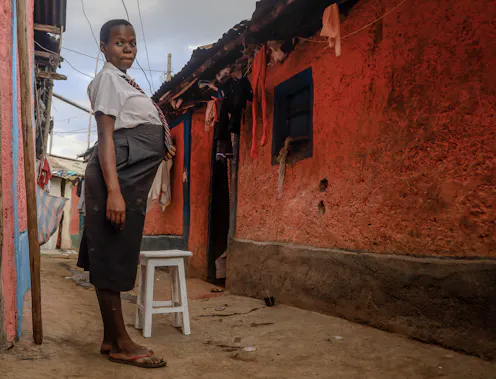
Pregnant Kenyan teens aren’t getting support before or after pregnancy – setting them up for a life of hardship.
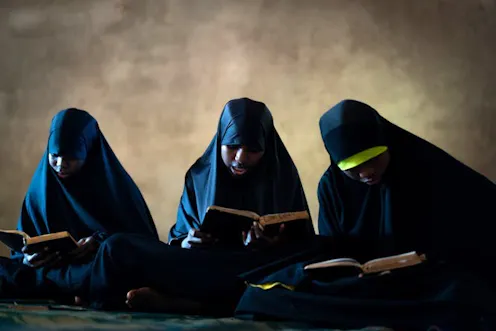
Une fille sur quatre, âgée de 15 à 19 ans, ayant eu une relation, a été victime de violence. Parmi ces victimes, 40 % se trouvent en Afrique.
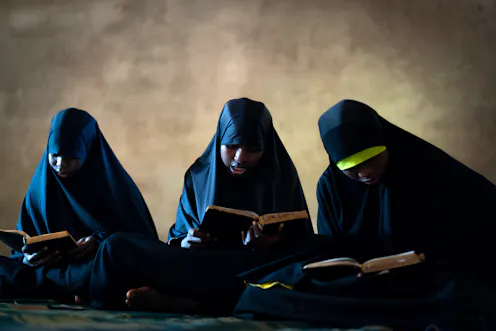
One in four girls between the ages of 15 and 19 globally who have been in a relationship have suffered abuse. Forty percent of these are in Africa.

Emotional, violent and sexual abuse are rife at an age when victims are scarred for life.
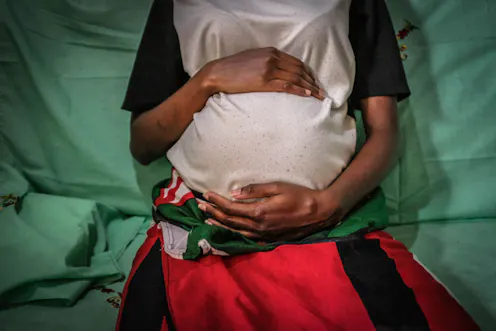
Adolescent girls are more at risk during childbirth. Stigma and abuse by healthcare workers makes them less likely to seek medical care, putting their lives further in danger.
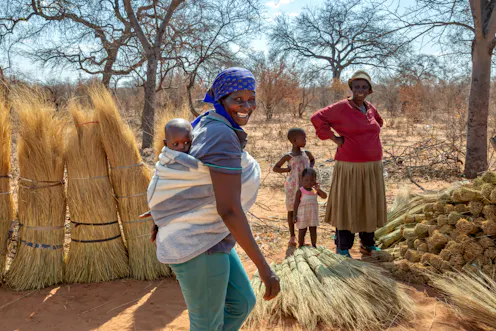
The success of the Maputo Protocol in protecting the rights of women and eliminating discrimination is remarkable.

In addition to motherhood these girls experience social inequality, chronic stress, violence, and food insecurity. When teenagers become mothers, their adversities are compounded.
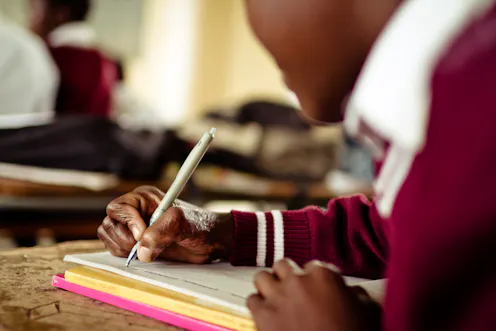
Education is important for girls’ future earning power and the promotion of their lifelong health and socioeconomic well-being.
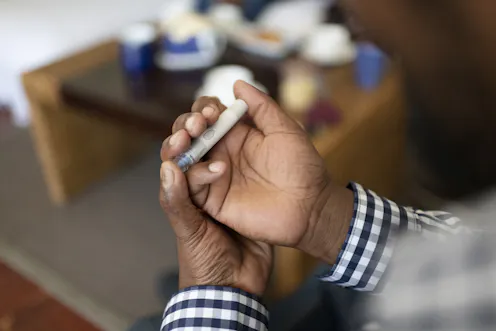
Most people with diabetes are poorly controlled. This makes them vulnerable to complications like eye problems, kidney disease, and even amputations.

Adolescent girls are disproportionately affected by sexual and reproductive health issues. These proposed law substantively addresses these disparities.
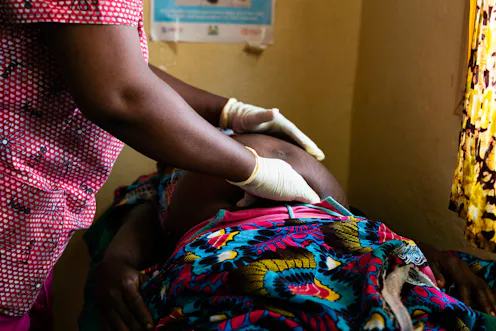
Up to 257 million women who want to avoid pregnancy are not using safe, modern contraception methods
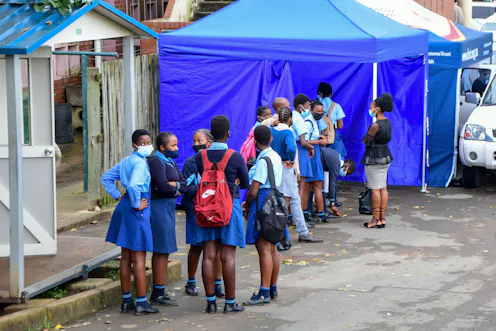
Local research is particularly needed to assess existing policies and inform efforts to implement them better.

Policies are needed to prevent child marriage and protect women who marry as children from abusive relationships.
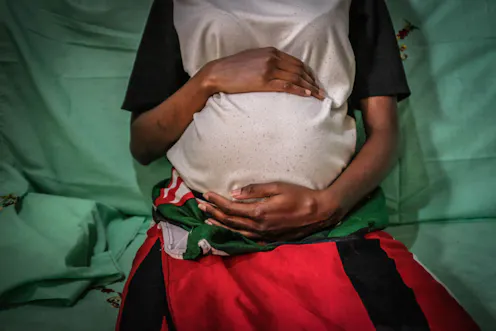
Comprehensive sexuality education is needed to equip young girls and boys with pregnancy prevention knowledge before they have sex.

The changes that society needs, such as preventing adolescent pregnancies, will not happen until researchers can use their findings to influence policy change.
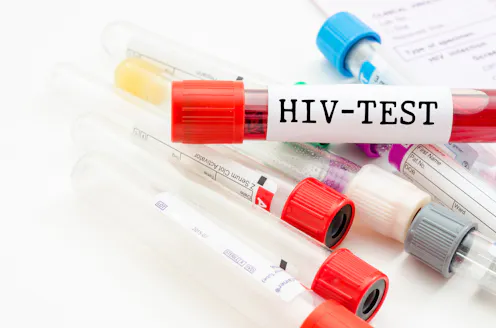
Local and national governments in west and central African countries must prioritise investment in providing access to HIV testing for all pregnant women.
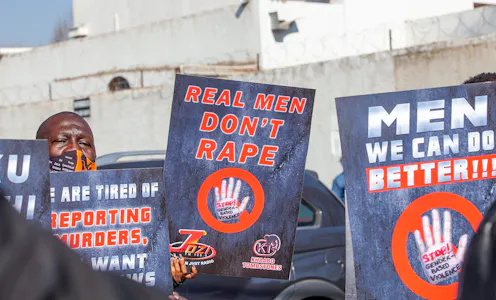
Adolescents and young adults who reported having experienced sexual violence were more likely to have also had an unintended pregnancy.
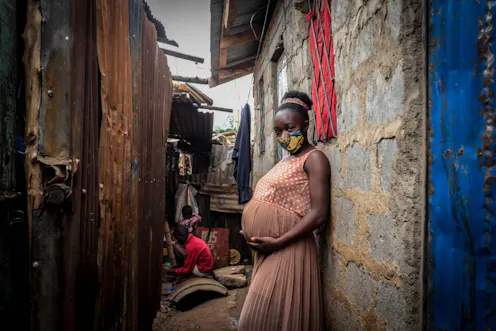
The proposed bill demonstrates the political will to address these preventable and avoidable morbidities and deaths.
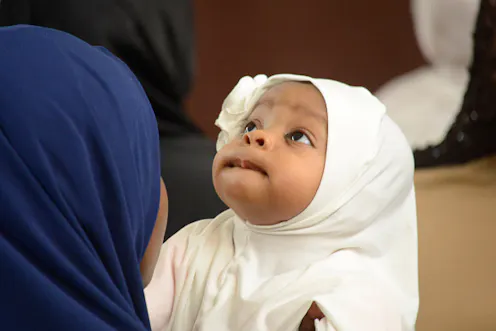
With the introduction of free maternal healthcare, Nigeria appears to have got more women using health facilities, but there are more hurdles to cross.
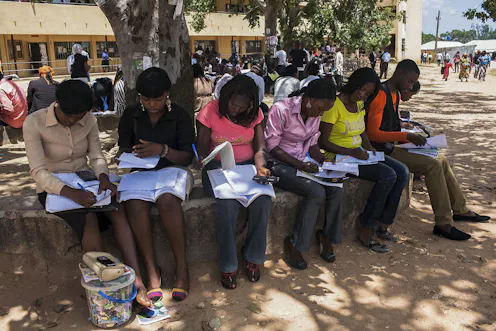
Sexually inexperienced Nigerian students are less confident in their ability to use condoms, increasing their susceptibility to infections and unplanned pregnancies at first sexual activity.

Students in Nigeria used home remedies to prevent pregnancy after sex and had doubts about the efficacy of medically approved pills.
Contact Anthony for
- General
- Media request
- Speaking request
- Consulting / Advising
- Research collaboration
- Research supervision
- Location: Nairobi, Kenya
- Website
- X (formerly Twitter): @aiajayi
- Article Feed
- ORCID
- Joined
