
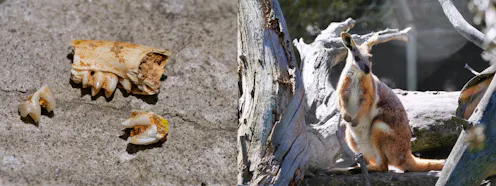
Today, rock wallabies rarely stray far from the safety of their rocky shelters. But the fossil record tells a very different story.
- Professor of Biogeochemistry, University of Wollongong

Australia’s giant Protemnodon kangaroos didn’t die out everywhere at the same time. Instead, extinction proceeded one habitat at a time.
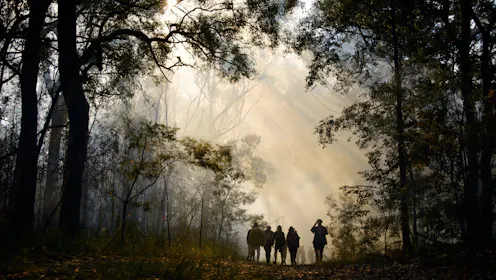
What does fire management do to soils? We compared prescribed burning to cultural burning and looked at how soil properties changed after fire. Cultural burning was better.
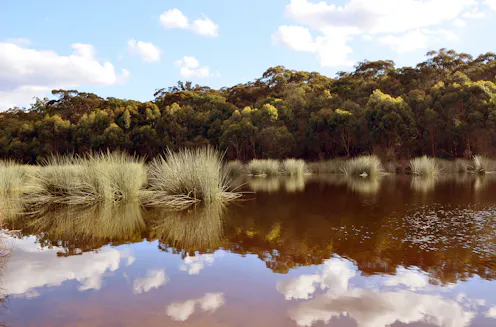
80% of carbon on land in stored in soil. Our new research investigated how erosion transports this carbon to the bottom of lakes, where it’ll never be released into the atmosphere.
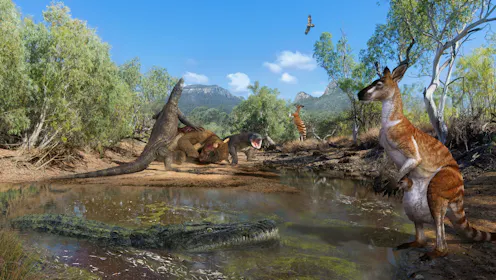
These megafauna were the largest land animals to live in Australia since the time of the dinosaurs.

Thousands of years of history tells the same story over and over: you ignore soil at your peril.

A new report predicts that one-third of the ice in the Himalayas will melt, even if we contain global warming to 1.5C. So what does that mean for the flood-prone valleys below?
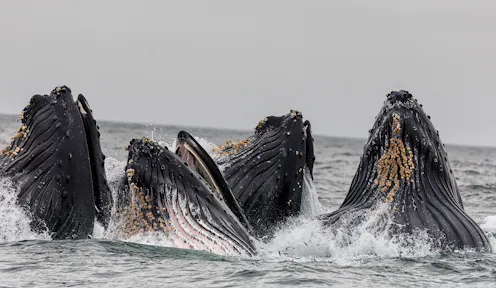
Although often separated as two unique subjects in science, geology and biology have been intricately intertwined since life on Earth first evolved billions of years ago.
Contact Anthony for
- General
- Media request
- Speaking request
- Consulting / Advising
- Research collaboration
- Research supervision
- Location: Wollongong, Australia
- Website
- X (formerly Twitter): @Dr_IsoTony
- Article Feed
- ORCID
- Joined
