
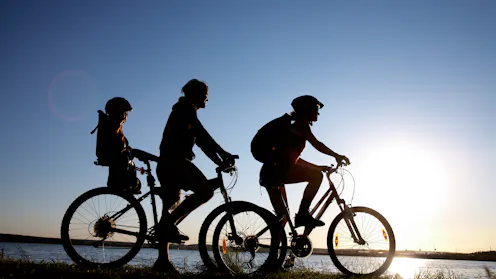
The answer lies in the elegant biomechanics of how our bodies interact with this wonderfully simple machine.
- Professor of Biomechanics, Edith Cowan University

The truth is there’s no one right way to run. Your ideal technique depends on factors such as leg length and muscle mass. But there are five basics to keep in mind.
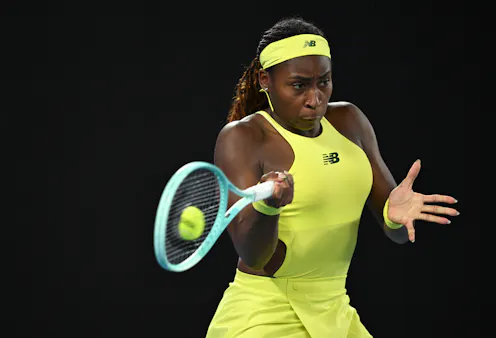
The physics underlying the effect of topspin and backspin are best explained by what’s known as the ‘Magnus effect’.
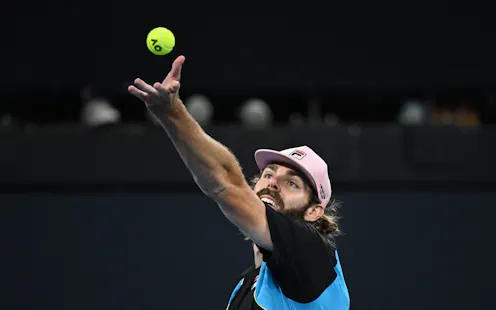
There are signifiant advantages to being tall on a tennis court, due to some fascinating physics and biomechanics.

How can they run and run and run for so long? What makes them so good at speedy changes of direction? Biomechanically, is there a certain body type perfect for football?
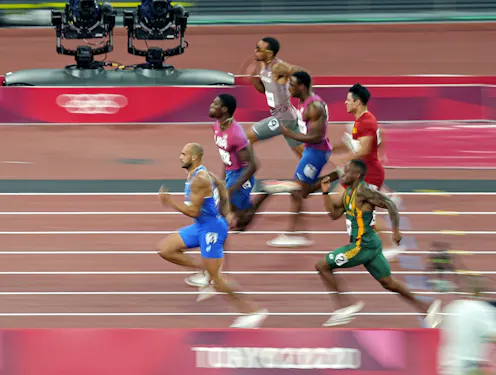
Muscles alone can’t produce the power for Olympic success. The elastic propulsion for fast movement comes from the tendons.
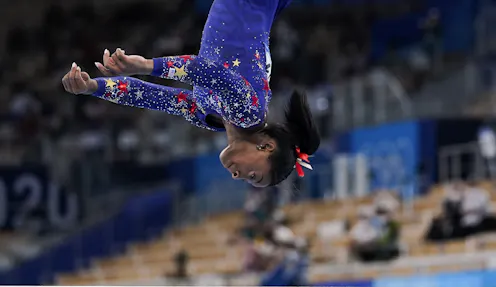
Gymnasts need to carefully calibrate their leg muscles to gain optimum spring from the floor, springboard or beam. And their arms are crucial for balance and creating the right amount of rotation.
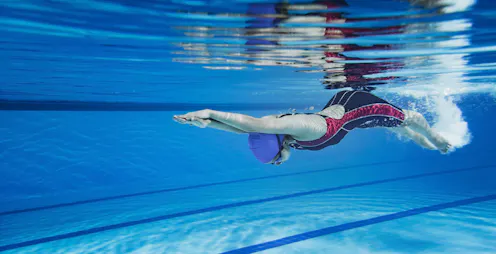
Swimming underwater reduces drag so much there are rules against doing it for too long. But the best swimmers make the most of what’s allowed.
Plus, the troubled 1920 Antwerp Olympics and the parallels they have for Tokyo. Listen to The Conversation Weekly.

Les étirements statiques, délaissés depuis que des études suggèrent qu’ils réduisent les performances, pourraient faire un retour en force à la suite de nouvelles recherches.

Static stretching — stretching and holding muscles — was once an essential part of sports warm-ups, until studies suggested it reduced performance. New research shows it should be making a comeback.
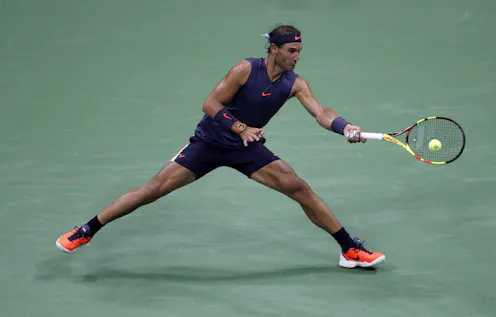
At this year’s Australian Open you’ll see players moving sideways on the Plexicushion surface – which is specially designed to allow players to slide. It’s safer for the players and fun to watch.

The speeds at which top players deliver tennis serves are theoretically impossible. So how do they do it? The answer involves Isaac Newton, ping pong and a little bit of ‘cheating’.
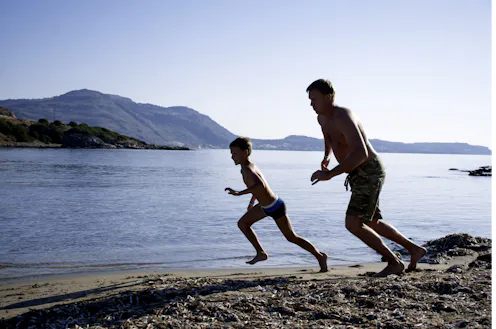
Les muscles des enfants récupèrent rapidement d’un exercice intense. C’est pourquoi ils peuvent répéter des efforts physiques intenses là où la plupart des adultes finissent épuisés.
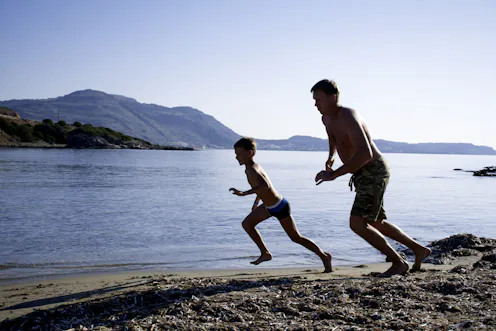
Children’s muscles recover rapidly from high-intensity exercise, and kids can produce repeated exercise efforts when most of us adults continue to feel exhausted.
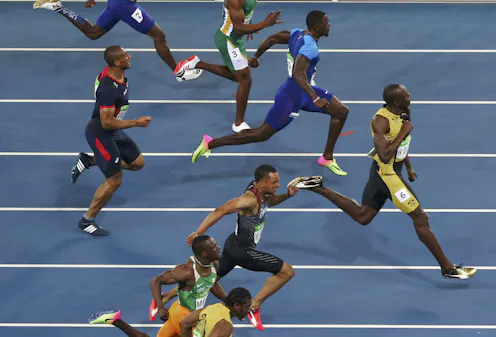
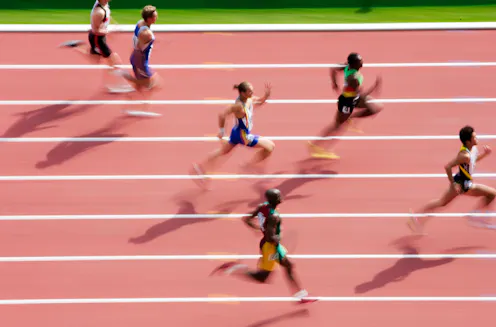
The fastest male and female sprinters attain incredible top running speeds with peaks in excess of 44km per hour and 38km per hour, respectively, in the men’s and women’s 100m races.
Contact Anthony for
- General
- Media request
- Speaking request
- Consulting / Advising
- Research collaboration
- Research supervision
- Article Feed
- ORCID
- Joined
