
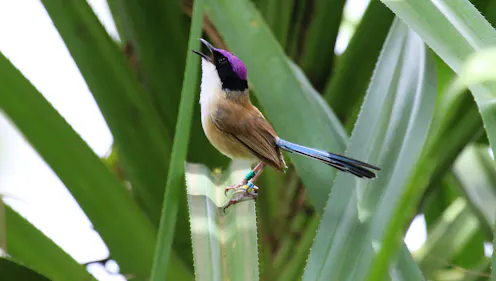
A study of purple-crowned fairy-wrens offers lessons for fire management along waterways in tropical savanna ecosystems.
- Professor, Monash University
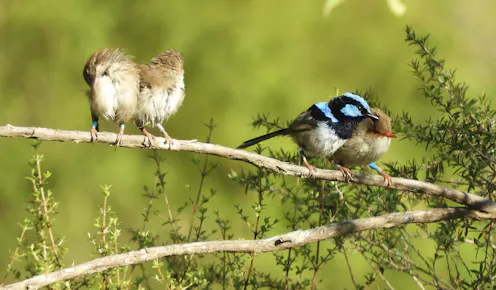
Despite their small size, fairy-wrens have surprisingly complex social ties. They’ll risk life and limb to help others – but only if they know them.
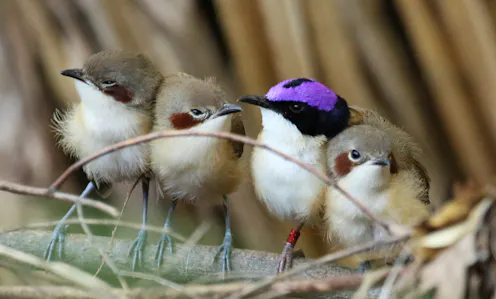
Exposure to hot and dry conditions can damage the DNA of nestling birds in their first few days of life – meaning they age earlier and produce less offspring.
The hidden social lives of fairy-wrens are just as complex as those of animals with much larger brains, including monkeys, whales and even humans.
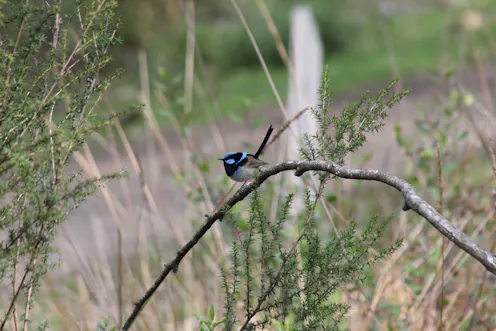
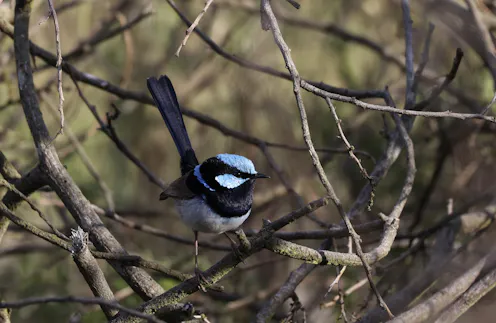
Being blue is risky for superb fairy-wrens: males become more cautious when their plumage turns blue, and other wrens take advantage by using them as colourful decoys.
Contact Anne for
- General
- Media request
- Speaking request
- Consulting / Advising
- Research collaboration
- Research supervision
- Location: Melbourne, Monash
- Website
- BlueSky: @annempeters.bsky.social
- LinkedIn: anne-peters-6248a057/
- Article Feed
- ORCID
- Joined
