
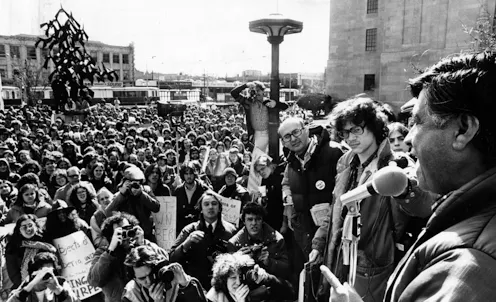
A researcher answers the question many asked when they heard charges of abuse and rape against civil rights icon Cesar Chavez: Why didn’t the women speak earlier about the events from decades ago?
- Professor of Psychology, University of Denver
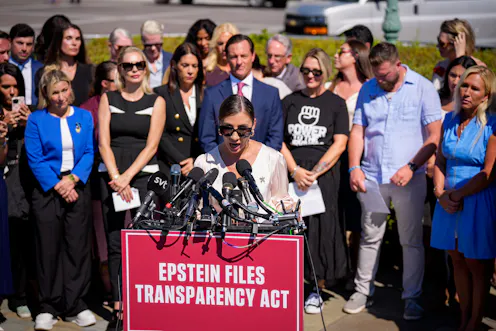
The conversation around #iwasfifteen sheds light on the dynamics of abusive relationships and the experiences of trafficking victims.
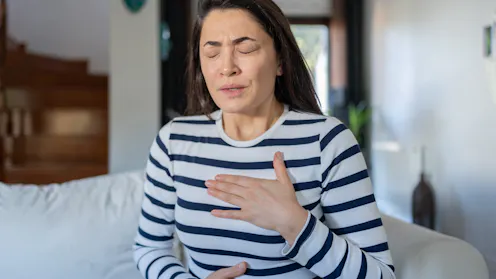
Uncontrolled inflammation is usually thought to be the culprit behind asthma. But in asthma patients who have survived intimate partner violence, a possible new pattern is emerging.
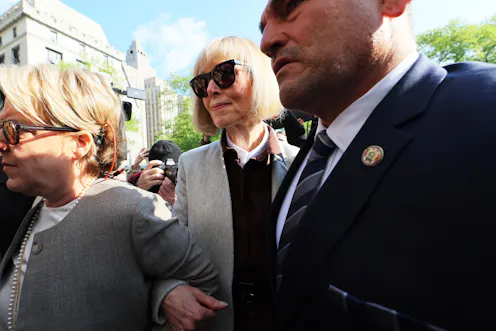
Trump’s lawyers questioned E. Jean Carroll, a magazine columnist, about why she did not scream or call the police after, she alleged, Trump sexually assaulted her in the 1990s.
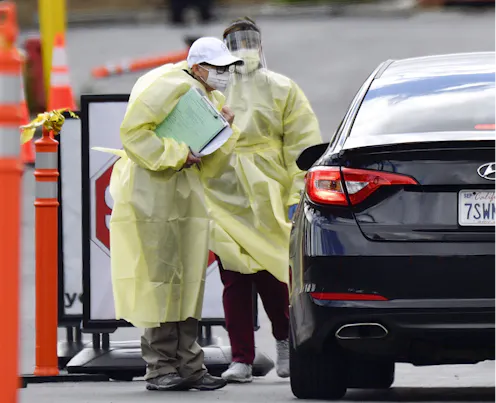
Our government, suggest the authors, risks traumatizing its citizens with its failure to slow the spread of COVID-19.
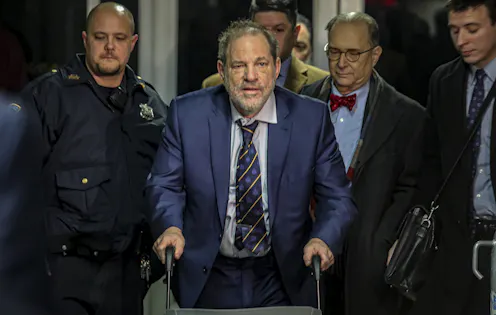
Studies show the physical and emotional pain of minorities and women is often discounted by both the U.S. justice and health care systems. That has serious consequences.
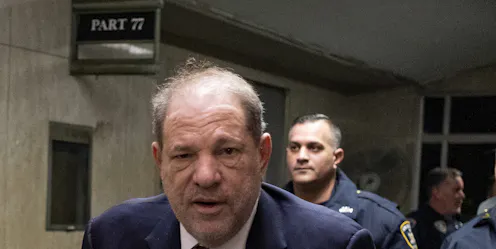
As women began to come forward with experiences of rape and abuse, backlash came forward too. The notion of ‘false memory’ developed to explain away assault. Here’s why that notion itself is untrue.
Women and children remain vulnerable to harm even after intimate violence has occurred. Coordinating a community’s response can help avoid educational, employment, social, housing and legal problems.
Contact Anne for
- General
- Media request
- Speaking request
- Consulting / Advising
- Research collaboration
- Research supervision
- Location: Denver, Colorado, U.S.
- Website
- X (formerly Twitter): @apdeprince
- Article Feed
-
- Joined
