
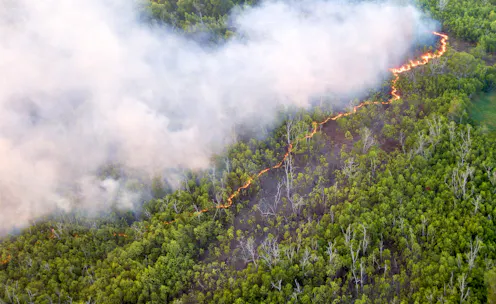
Indigenous land management in southeastern Australia halved forest shrub cover 6,000 years ago, reducing high-intensity bushfires
- Lecturer in Archaeological Science, Australian National University
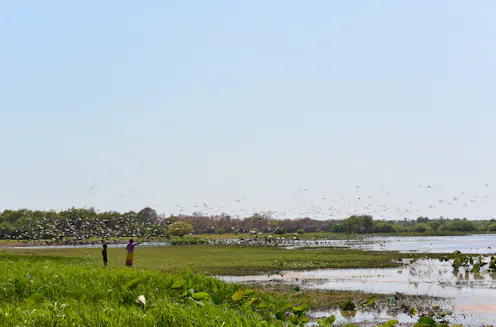
The Kakadu region has gone through immense transformation throughout history. How can archaeological food scraps tell us about how the First Australians adapted?
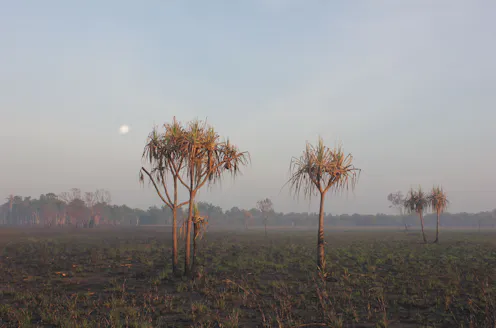
Tiny nutshell fragments, found at a rock shelter in the Kakadu region, have helped researchers track past climate change in the region.

Charred plant remains from one of the oldest archaeological sites reveal that the first Australians ate a varied - and sometimes labour-intensive - diet.
Contact Anna for
- General
- Media request
- Speaking request
- Consulting / Advising
- Research collaboration
- Research supervision
- Location: Canberra, Australia
- Website
- X (formerly Twitter): @sannaflorin
- Article Feed
- ORCID
- Joined
