
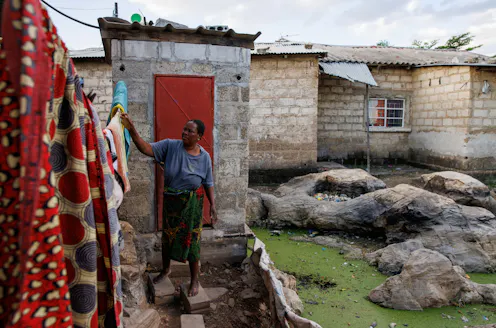
Sewage leaks, rundown communal outdoor toilets and breakdowns in water systems are causing public health disasters across Africa.
- Associate Professor and Water Management Expert, University of South Africa
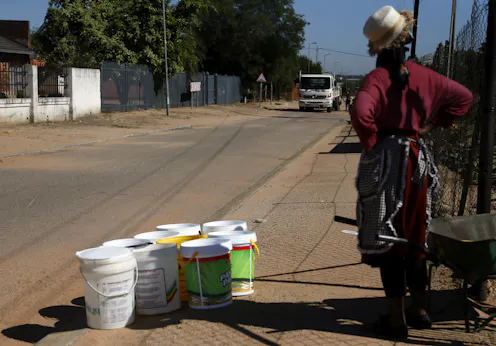
This year’s Blue Drop Audit report of water quality in South Africa has found that 46% of water supply systems are contaminated and over two thirds of wastewater treatment plants are close to failure.
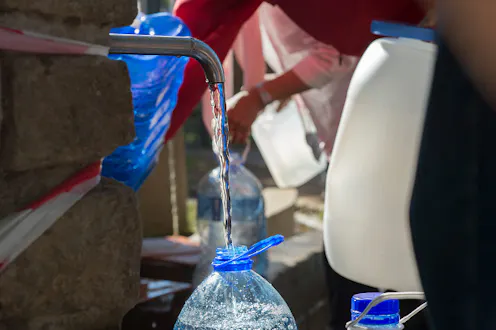
‘Water-shifting’ should not be a permanent measure. It does not address the cause of the current crisis.
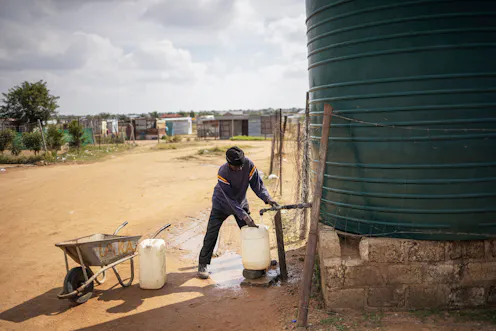
The primary reasons for the systemic collapse include poor operation, defective infrastructure, the absence of disinfection chemicals, and lack of monitoring.
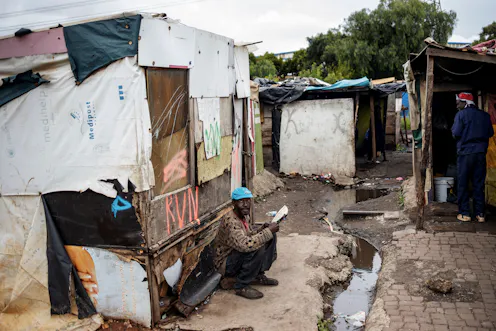
The current cholera outbreak is not necessarily an issue with potable water. It’s the result of a combination of factors including dysfunctional and non-compliant wastewater treatment works.
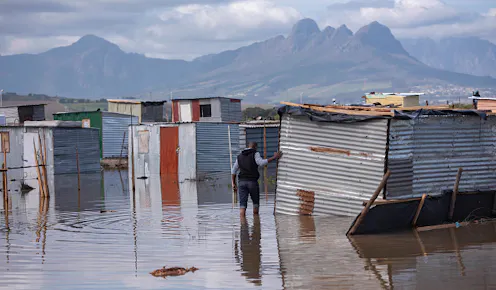
South Africa’s energy crisis has far-reaching negative effects on water supply. Energy and water are intertwined.

Most beaches along Durban’s coastline have critical E. coli levels above acceptable safety levels and should be considered a public health hazard.
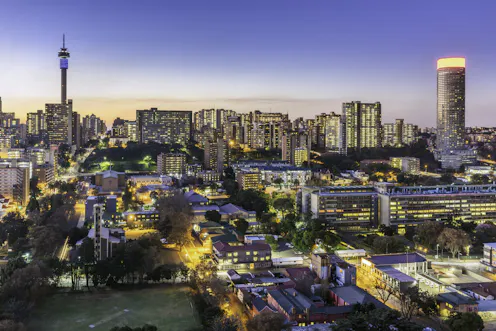
There’s an urgent need to put water higher on South Africa’s agenda. Various water problems are escalating at a rapid rate.
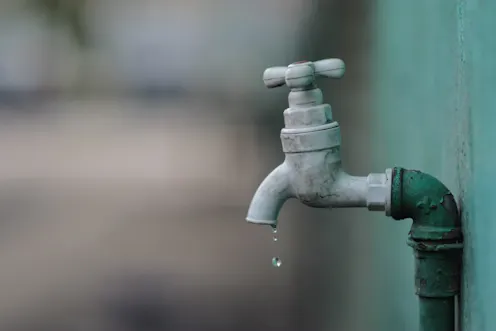
South Africa’s water situation is complex. It needs better monitoring and implementation of plans.
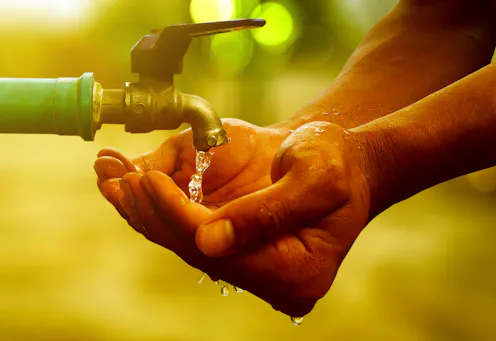
Water is a critical resource, enabling socio-economic development.
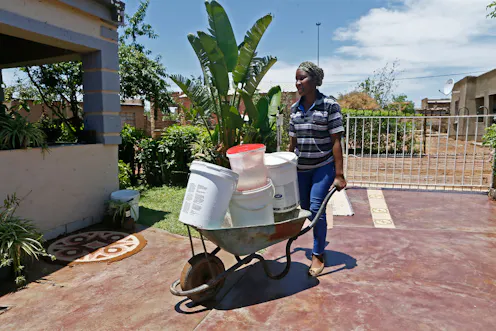
South Africa’s dams are overflowing but the country is still facing water supply challenges.
Contact Anja for
- General
- Media request
- Speaking request
- Consulting / Advising
- Research collaboration
- Research supervision
- Location: Johannesburg, Gauteng
- Website
- X (formerly Twitter): @anjadup1
- Article Feed
- ORCID
- Joined
