

Vaccination rates vary widely from GP to GP. Here’s why – and what governments need to do about it.
- Senior Associate, Grattan Institute
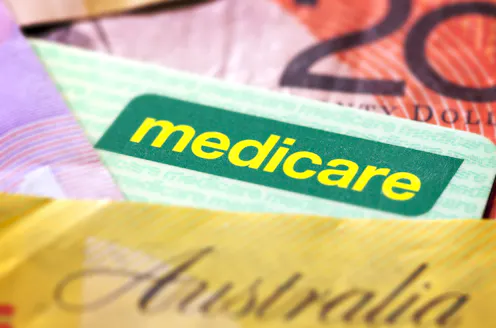
The budget sets the foundation for a new approach to community-based mental health care, eases cost-of-living pressures and aims to keep people out of hospital. Will they work? And what’s missing?
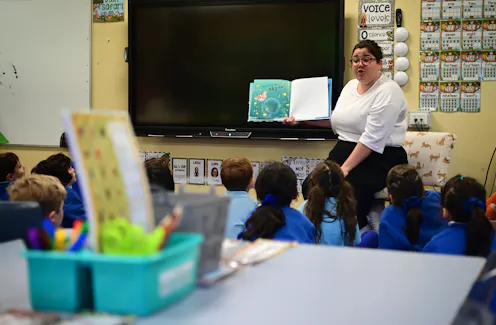
A new Grattan Institute report provides a plan to ensure at least 90% of Australian school students can read well.

Access to dental care in Australia is worse than ever and is simply unaffordable to many.

Open-plan classrooms can be very noisy. And this is bad for all students, especially those with hearing or learning difficulties.
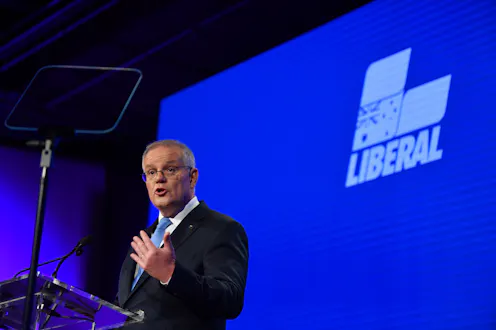
Politicisation of taxpayer-funded advertising is wasteful and creates an uneven playing field in elections.

Using taxpayer-funded advertising for political advantage is rife, but there are ways it can be curbed.

Ministerial discretion should be tightly controlled whenever millions of taxpayer dollars are being spent.

The federal government needs a transparent, merit-based process for all public appointments
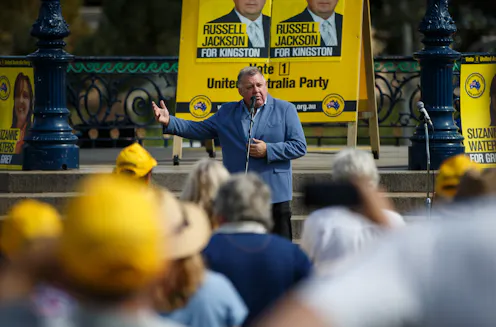
We can expect political ads to continue to ramp up over the coming weeks. The onus will be on each voter to sift through the spin for the facts and for the policies that matter to them.

People who need the most health care – the poor and the chronically ill – miss out on care the most. But there are ways to reduce this inequity.
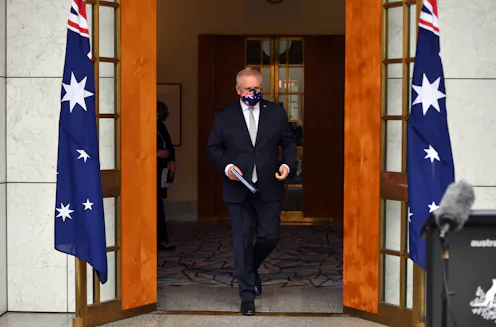
Brokering peace among the factions appearing in National Cabinet will be key to a successful transition to reopening Australia. But there are many gaps in the plan.
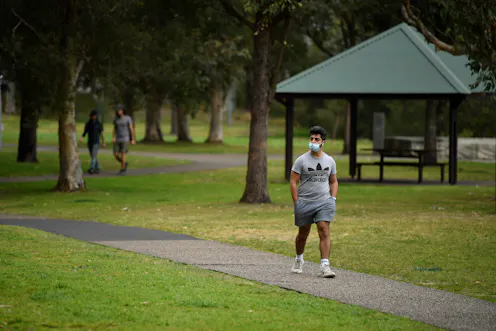
Governments cannot keep making unrealistic promises about easing restrictions at 70% and 80% adult vaccination, a plan that relied on optimistic scenarios in the first place.

With enough vaccine supplies coming online from October, the government has no excuse not to have all arrangements in place for an efficient vaccination program. Here’s what needs to change.

A sustainable private health insurance system requires enough young, healthy people paying premiums and not making claims. But government policies haven’t achieved this. Here’s what to try instead.

An extra A$17.7 billion for aged care seems like a lot, but it still falls short of the royal commission’s recommendations.

In a new report, we outline four important steps the government must take to achieve real change in Australia’s aged-care system.

Disappointingly, however, this report gives the government room to pick and choose recommendations as the cabinet likes.

The Productivity Commission this week released the health section of its Report on Government Services. But what does it tell us, and why is it important?

The federal government has announced A$850 million for 10,000 additional home-care packages, as part of $1 billion for aged care. Here’s why that’s not nearly enough.

The royal commission into aged care has opened a priceless window for reform. A Grattan Institute report says this requires more funding, local accountability, and a louder voice for older Australians.

This year’s federal budget should include an aged-care trifecta: expansion in home care, greater transparency, and a rescue package.

From the benefits of telehealth to the importance of integrating public and private systems, the COVID-19 pandemic offers several valuable lessons for Australia’s health system.

Australia has suffered far less death and disease from COVID-19 than other similar countries. But given the hesitant start and the Ruby Princess debacle, we could have done even better.
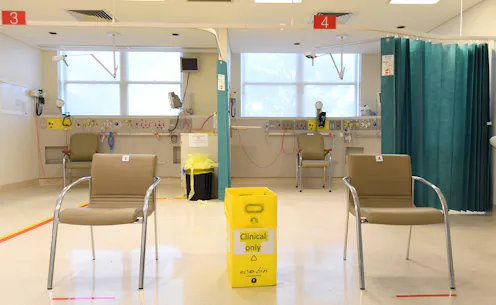
Over the past week, we’ve seen about 350 new cases per day. If this rate continues, Australia’s current ICU system will be able to cope.
Contact Anika for
- General
- Media request
- Speaking request
- Consulting / Advising
- Research collaboration
- Research supervision
- Location: Melbourne, Australia
- Website
- X (formerly Twitter): @AnikaStobart
- Article Feed
- ORCID
- Joined
