

Japanese encephalitis spreads via mosquitoes. It has been detected in Brisbane’s eastern suburbs and claimed two lives in NSW. Here’s what you need to know about it.
- Medical Entomologist, The University of Queensland
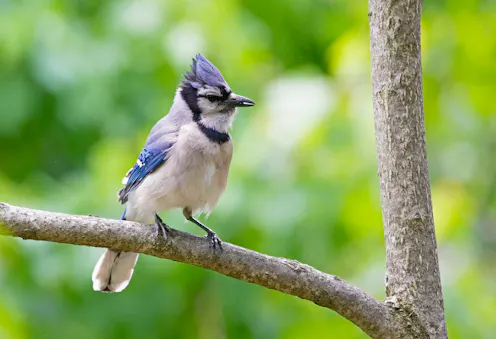
Fin août 2024, aux États-Unis, les autorités ont émis une alerte dans une dizaine de villes, après la mort d’une personne contaminée par le virus de l’encéphalite équine de l’Est après une piqûre de moustique.
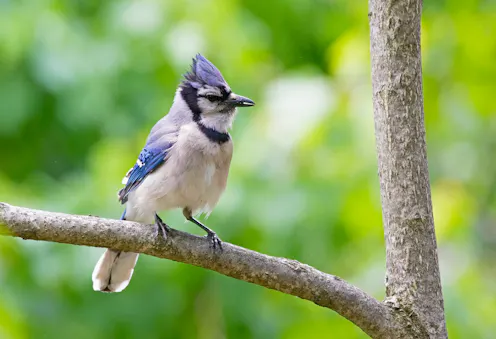
With warm weather in Australia, should we be worried too?

Travellers to South and Central America are being warned to avoid biting insects after a rise in cases of the potential fatal disease caused by Oropouche virus. Here’s what you need to know.

Authorities have been warned about five virus families that could cause future pandemics. Here are snapshots of the diseases each can cause and why we should be worried.

The mosquito-borne Japanese encephalitis virus has been detected for the first time in southeastern Australia, in pigs at a pig farm. So what threat does it pose to human health?
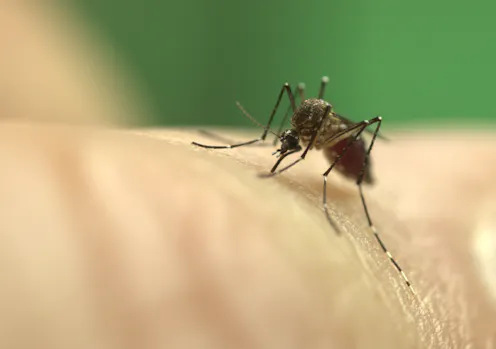
Backyard mosquitoes can be more than just annoying pests. Their bites can spread the pathogens that make us sick.
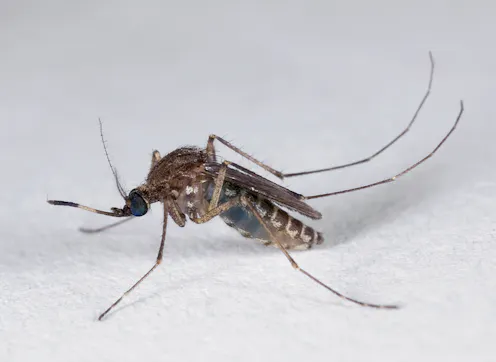
Murray Valley encephalitis virus is a rare but potentially fatal mosquito-borne virus. Here’s what you need to know about it.

Japanese encephalitis virus is rare and doesn’t usually cause symptoms. But in a small proportion of cases it can result in long-term neurological impairment and death.
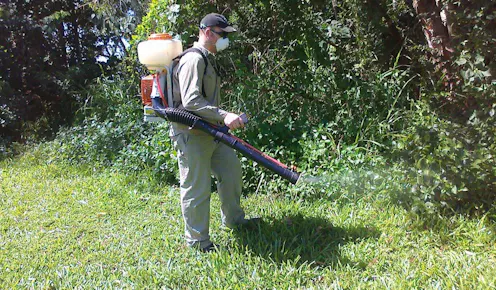
A new study shows how Australian authorities are battling the invasive Asian tiger mosquito in Torres Strait, reducing risks of mosquito-borne disease outbreaks.
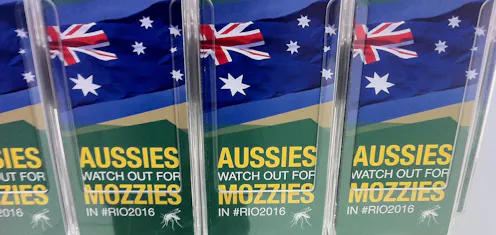
New research shows common local mosquitoes aren’t able to spread Zika. This means Australia is unlikely to see a major outbreak of the disease. But a risk remains in northern Queensland.
Contact Andrew for
- General
- Media request
- Speaking request
- Consulting / Advising
- Research collaboration
- Research supervision
- Article Feed
- Joined
