

The implosion of the Australian Securities and Investments Commission, has gone from tragedy to farce.
- Senior Lecturer, Faculty of Law, University of Wollongong
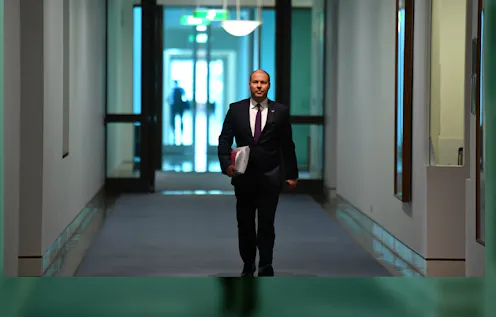
The royal commission wanted the corporate cop to first ask ‘why not litigate?’. The treasurer’s new guidelines suggest it should instead ask ‘why not negotiate?’.
The National Consumer Credit Protection Amendment bill goes against two explicit recommendations of the banking royal commission.
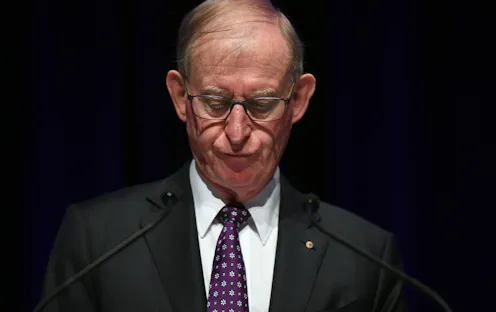
AMP’s handling of sexual harassment charges shows its culture is still rotten.
Attitudes to banks are changing. This requires them to be more customer centric, and to take their role in society more seriously.

The government has agreed to create an independently-chaired body to report on the performance of ASIC and APRA, but it hasn’t said its reports will be made public.

South Africa is the eight country in the world to adopt the ‘Twin Peaks’ model of regulating its financial services sector.

ASIC and APRA don’t lack power to sack bank directors. They the lack the willpower to do so.

Instead of having a separate regulator just for banks, the new system creates one to prevent financial crises, the other to ensure good market conduct and consumer protection.
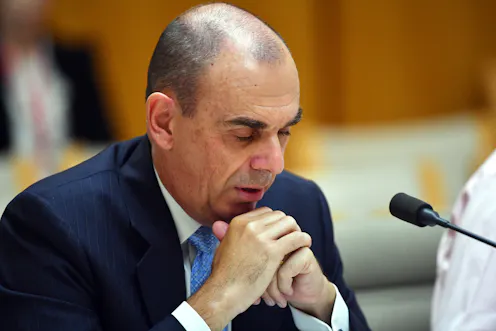
Our financial regulators ASIC and APRA need a board of oversight, similar to what the UK has, to keep them in check.
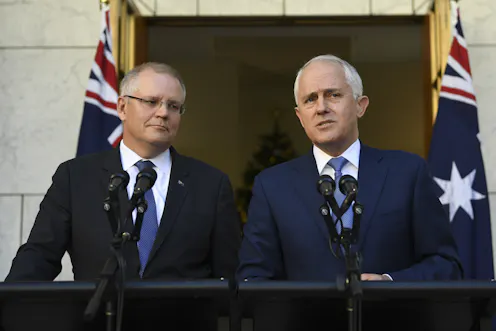
Even though the Prime Minister and heads of the big four banks argue costly political uncertainty is the reason for the royal commission, experts argue the banks’ behaviour itself is the real cost.

The APRA inquiry puts the regulator in the tricky position of trying to be seen to be tough on bank scandals but juggling its close relationship with the government and the CBA.
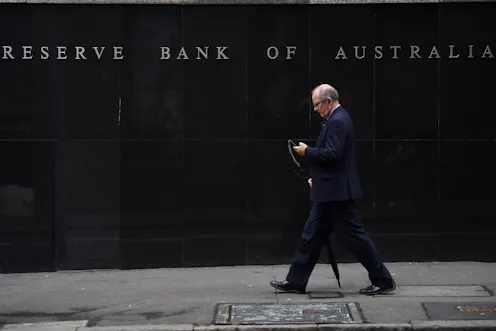
Some argue, determinedly and erroneously, that when functioning correctly bank capital levels are almost magical things.

ASIC has been too slow to prosecute those accused of rigging the bank bill swap rate so it doesn’t matter if the government makes the penalties harsher for those found guilty.

Banks have had notice of these issues and failed to resolve them - it seems only fair that they should have to pay.
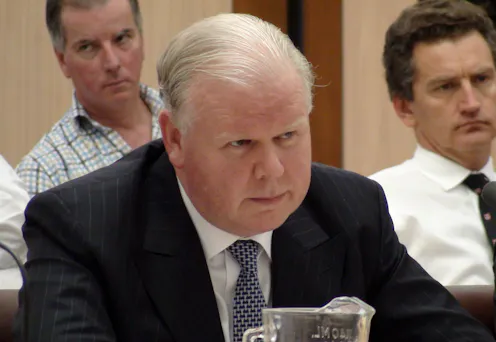
Unethical behaviour by bankers represents a systematic risk to banks, and causes widespread harm.
The federal government’s decision to implement a deposit levy may increase the costs of banking in Australia without improving the stability of the system.

A flat rate bank deposit tax could be distorting, and not for the reasons the banks suggest.

Australian regulator ASIC has significant power to help it stamp out systemic fraud in the banking sector. Now they just need to use it.

The clear case of regulatory capture in Australia’s financial system is grounds for a new oversight body.
Contact Andrew for
- General
- Media request
- Speaking request
- Consulting / Advising
- Research collaboration
- Research supervision
- Location: Sydney, Australia
- Website
- X (formerly Twitter): @UOW
- Article Feed
- ORCID
- Joined
